There will be no film screenings. You will need to watch the films on your own. Whenever possible I have linked pdfs of the readings.
Many abuses in the world—or to put it more boldly, all the abuses in the world—result from our being taught to fear admitting our ignorance, and our being trained to accept anything we cannot refute. We talk about everything dogmatically and categorically. The practice in ancient Rome required that even testimony given by an eyewitness and rulings of judges based on their most certain knowledge had to be couched in the expression: “It seems to me.” It makes me hate things that are probable when they are impressed on me as infallible. I favor those words that soften and moderate the boldness of our assertions: “perhaps,” “in a sense,” “some,” “they say,” “I think,” and the like. And if I’d had to rear children, I would have so filled their mouths with this inquiring and open-ended way of answering—“What does that mean?” “I don’t understand.” “That may be.” “Is that true?”—that they would more likely have preserved the attitude of students at sixty, than resemble learned doctors at ten, as boys tend to do.
Michel Montaigne, "Of the Lame," Essays, Vol. 3, p. 11
Close Reading as Analysis / Close Reading Archive / On Close Reading
Spring 2023 LIT 4930: From Close Reading to Closed Reading
Film Glossary: Shot Movement (Dolly, Crane, Track, Zoom, Tilt, Pan)
TO MY KNOWLEDGE, THE BEST WEBSITE FOR FILM ANALYSIS IS
https://filmanalysis.yale.edu/
These websites can also be useful;
Film Studies: Film Terminology & Analysis
Columbia film glossary with clips
Columbia film glossary of terms
I will give quizzes at the beginning of class on THURSDAYS.
DUE DATES:
Every MONDAY by 5:00 P.M. write
EITHER A. Two Discussion Questions on the Reading and B. Three BIG WORDS
for readings
OR
A. Two Discussion Questions on the film and B. Three Shots
for films
are due Wednesdays by 5:00 p.m. unless otherwise noted. Please be aware that the closing time on canvas is 5:00 p.m. Canvas will not allow you to submit work after the closing time. So do manage your time well.
YOUR FIRST ASSIGNMENT is to watch Le Corbeau (dir. Henri Clouzot,1943). In French with English Subtitles.
Your first written assignment is due August 27 by 5:00 p.m. Read Edith Wharton's short story, “Pomegranate Seed.”
Post your Discussion Questions (DQs) and Three Big Words or Three Shots BOTH on this Google doc
https://docs.google.com/document/d/17o8EJlXUU-ou0-_y0LW7JXz73-D_msTM6XXNKOSpcqM/[email protected]&sharingaction=manageaccess&role=writer&tab=t.0
AND on CANVAS https://elearning.ufl.edu/
Give me permission to edit your google docs for DQs and for co-leading. Do not delete your notes. Please put the links to your co-leadings on Canvas. Please email all notes and papers for the course to me at [email protected].
I designed this course myself and am looking forward to teaching it this semester. If you have a question or a problem, please contact me in class or at [email protected].
No cell phones, ipads, or laptops in use during class.
TENTATIVE SCHEDULE (Please expect adjustments to be made in the schedule from time to time. All changes will be announced both in class and on the class email listserv.)
August 21 POSTING / SENDING THEN AND NOW
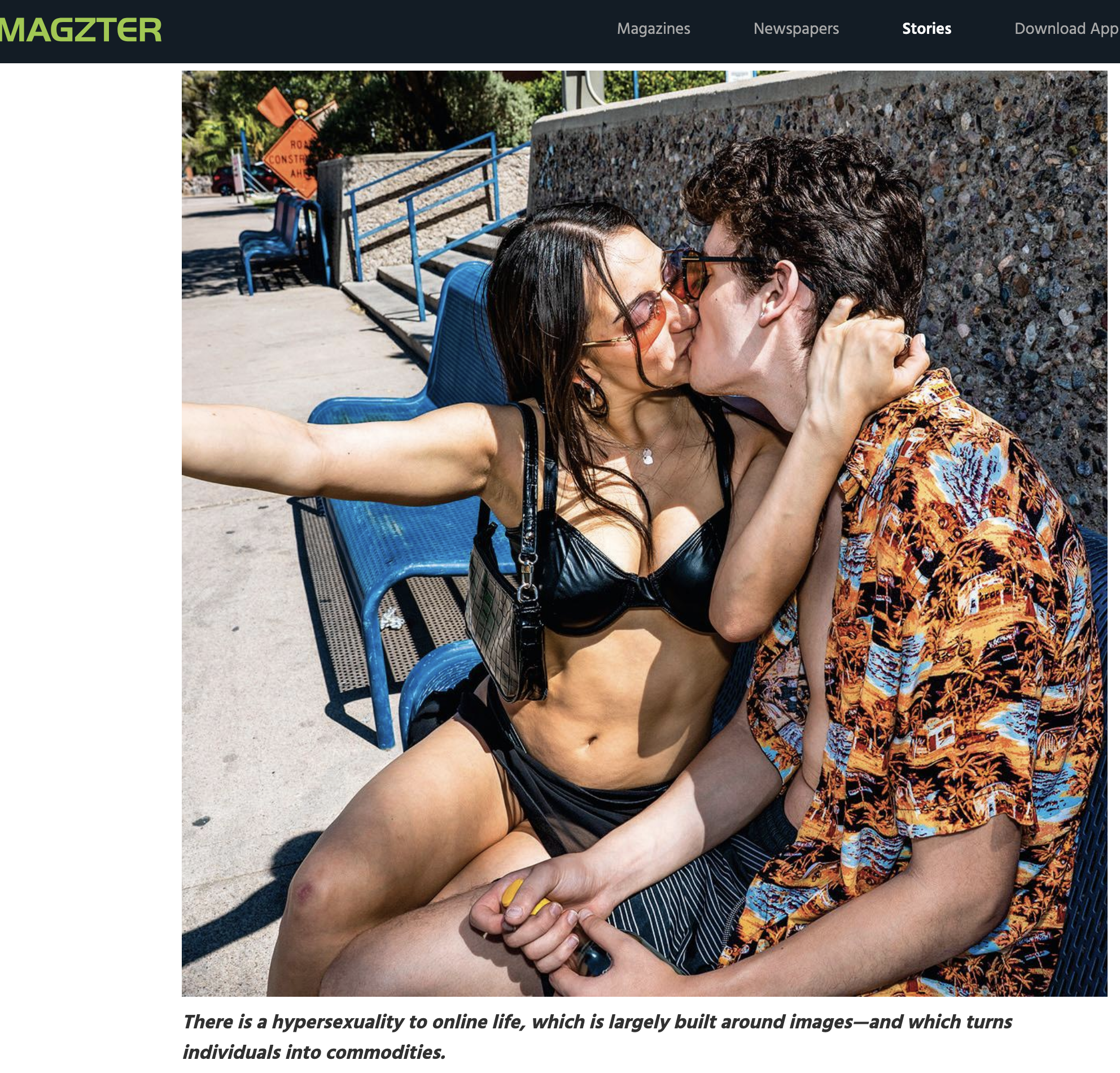
JIA TOLENTINO, "Sex Bomb," The New Yorker June 30, 2025
Published in the print edition of the June 30, 2025, issue, with the headline “Sex Bomb.”
What is happening in the photograph? Which one is better? Why?

Photograph by Lauren Greenfield / Institute / Fahey Klein Gallery
Austen, Jane, Pride and Prejudice Thomson, Hugh, 1894
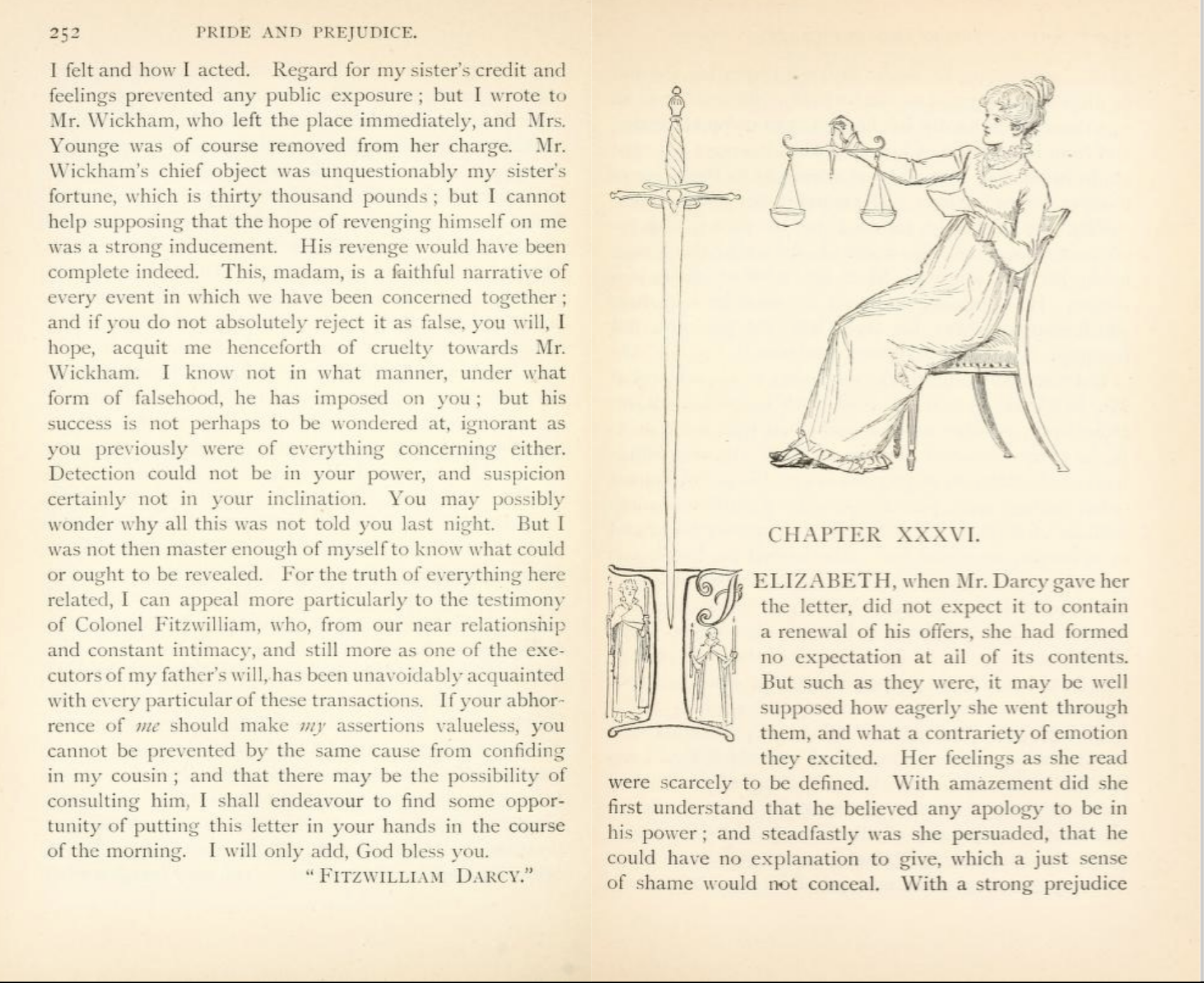
Mr. Darcy's Letter to Elizabeth Bennet: https://www.pemberley.com/janeinfo/ppv2n35.html
"With no expectation of pleasure, but with the strongest curiosity, Elizabeth opened the letter, and, to her still increasing wonder, perceived an envelope containing two sheets of letter paper, written quite through, in a very close hand. -- The envelope itself was likewise full. -- Pursuing her way along the lane, she then began it. It was dated from Rosings, at eight o'clock in the morning, and was as follows: --``Be not alarmed, Madam, on receiving this letter . . . "
Film Version (Mr. Darcy leaves the letter (as if in person) to Elizabeth / TV episode version (Darcy narrates as he writes the letter) TV version with Elizabeth reading the rest of Darcy's letter as Mr. Darcy continues but now entirely in voice-over). Pride + Prejudice + Zombies: Darcy declares his love HD CLIP
There will be a quiz on Le Corbeau (dir. Henri Clouzot,1943) in class August 26
August 26 Poisoned Pen Letters
REQUIRED VIEWING:
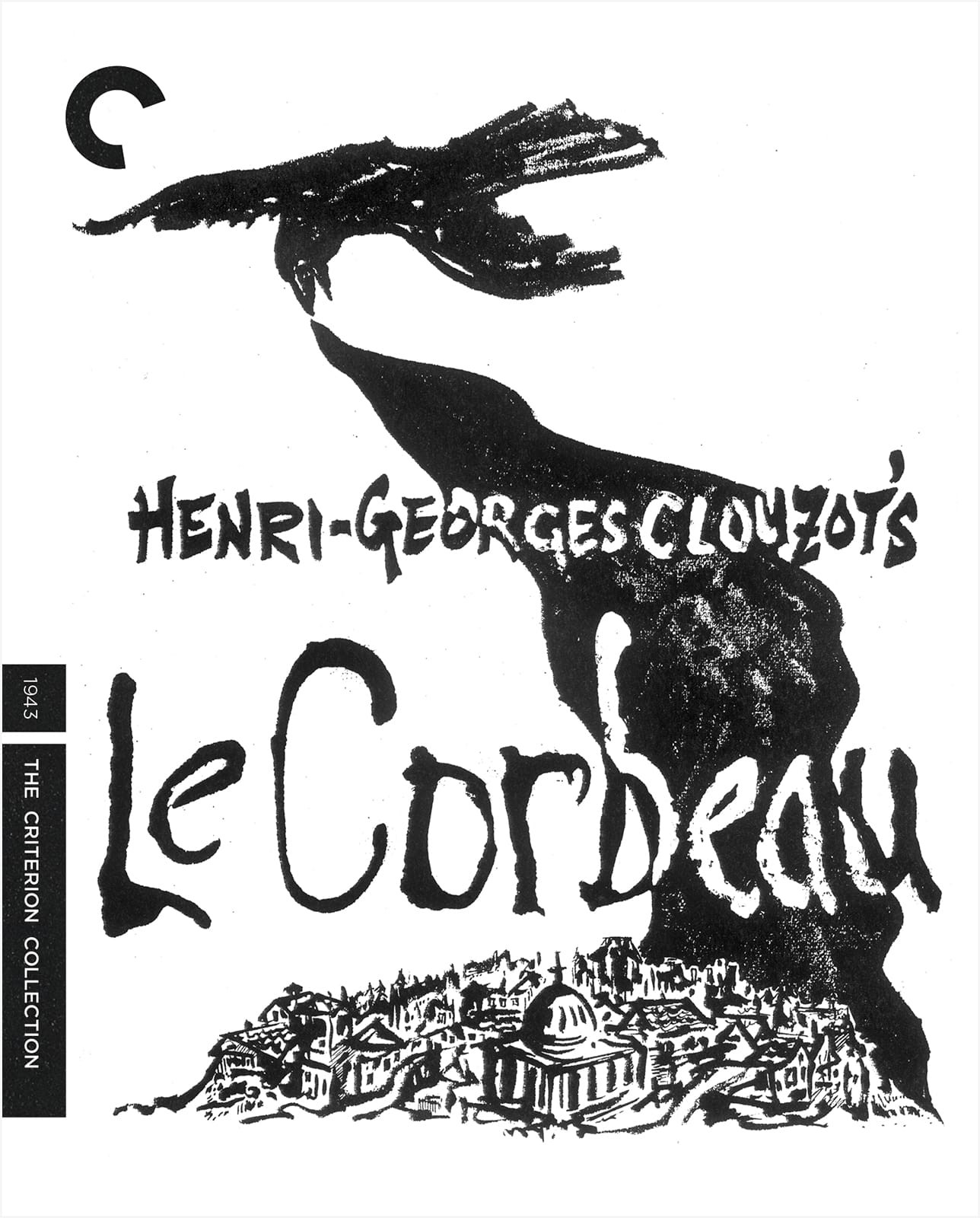
Le Corbeau (dir. Henri Clouzot,1943) In French with English Subtitles
Recommended Reading:
https://www.criterion.com/films/684-le-corbeau
DUE August 27 by 5:00 p.m.
Write A. Two Discussion Questions on the Reading: Edith Wharton, “Pomegranate Seed” in Ghosts, pp. 216-47
and give the definitions of B. Three BIG WORDS.
Post your DQs and three big words BOTH on this Google doc
https://docs.google.com/document/d/17o8EJlXUU-ou0-_y0LW7JXz73-D_msTM6XXNKOSpcqM/[email protected]
AND on CANVAS https://elearning.ufl.edu/
August 28
REQUIRED READING:
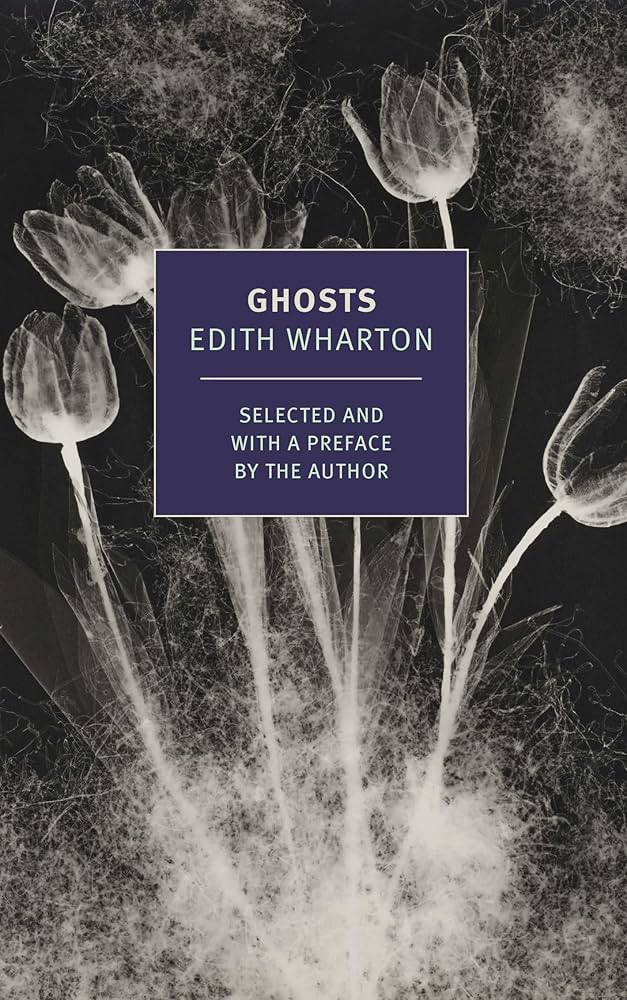
Edith Wharton, “Pomegranate Seed” in Ghosts, pp. 216-47
Sign up to Co-lead Class
https://docs.google.com/document/d/1ZhZvv_k9QSnLSe7mIhnYipRHZgeNfv_bsug-MkCQWvE/edit?tab=t.0
There will be a quiz on Letter from an Unknown Woman (dir. Max Ophuls, 1948) in class September 2.
September 2 By the Time the Letter Arrives . . .
REQUIRED VIEWING:
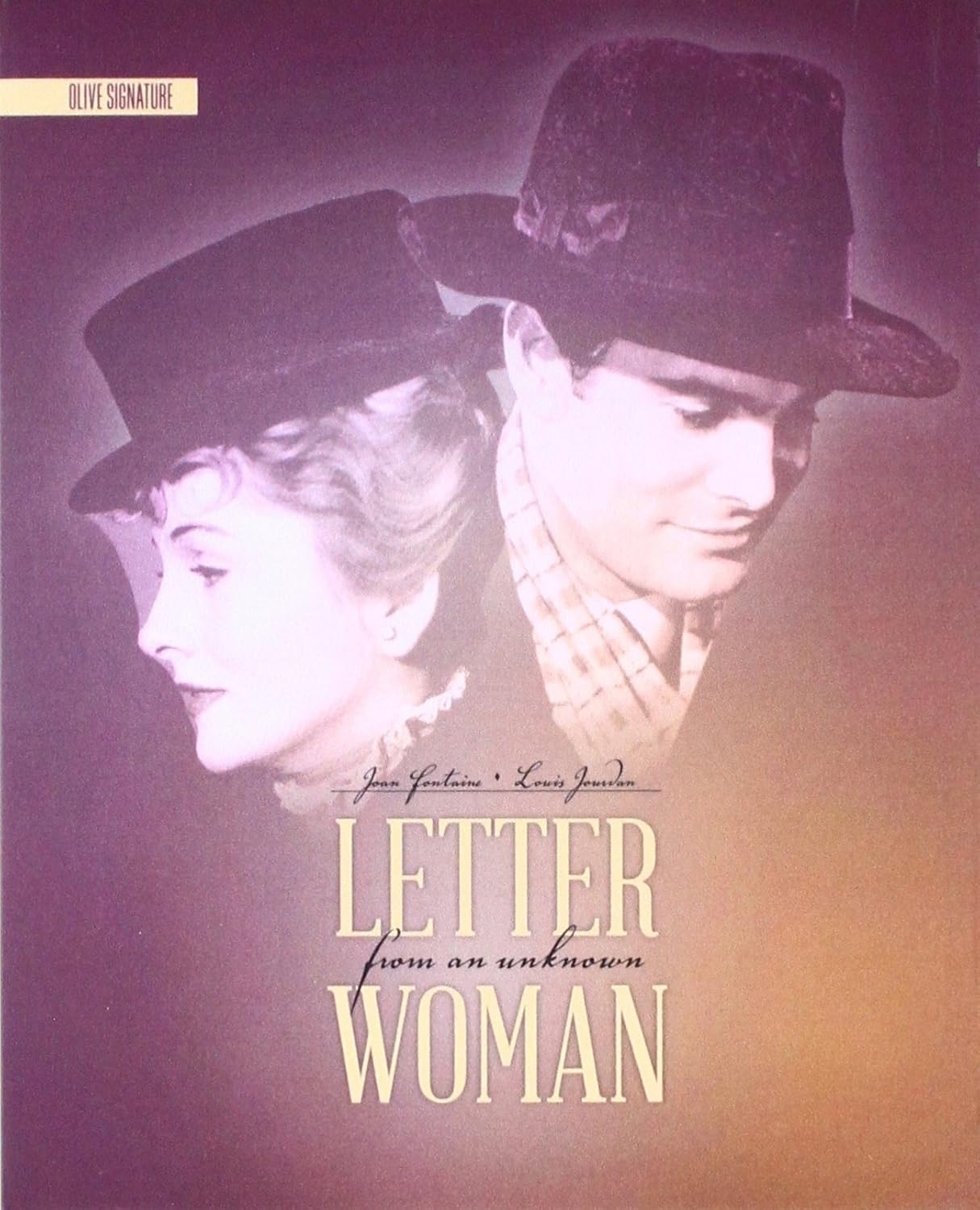
Letter from an Unknown Woman (dir. Max Ophuls, 1948)
Recommended Reading (optional)
Charles Dennis, Letter from an Unknown Woman, May 25, 1992
Obsession, Unspoken and Unacknowledged: ‘Letter From an Unknown Woman’
Crane shot
DUE SEPTEMBER 3 5:00 p.m. Watch The Letter (dir. William Wyler, 1940) Write A. Two Discussion Questions on the film and describe B. Three Shots
Post your DQs and three big words BOTH on this Google doc
https://docs.google.com/document/d/17o8EJlXUU-ou0-_y0LW7JXz73-D_msTM6XXNKOSpcqM/[email protected]
AND on CANVAS https://elearning.ufl.edu/ I will no longer post DQ due dates.
September 4 The Letter for Sale
REQUIRED VIEWING:
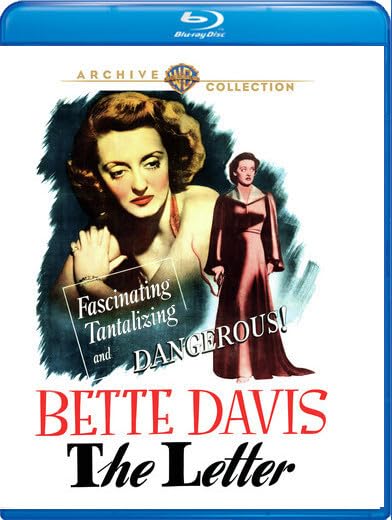
The Letter (dir. William Wyler, 1940)
Discussion Questions (DQs) and Three Big Words due September 8 by 5:00 p.m. on the assigned parts of Hawthorne's The Scarlet Letter.
https://docs.google.com/document/d/17o8EJlXUU-ou0-_y0LW7JXz73-D_msTM6XXNKOSpcqM/[email protected]
September 9 "A" stands for ? What counts as a legible letter? What can a letter mean? The letter as Character; The letter as Initial; The letter as Attachment Disorder.
REQUIRED READING:
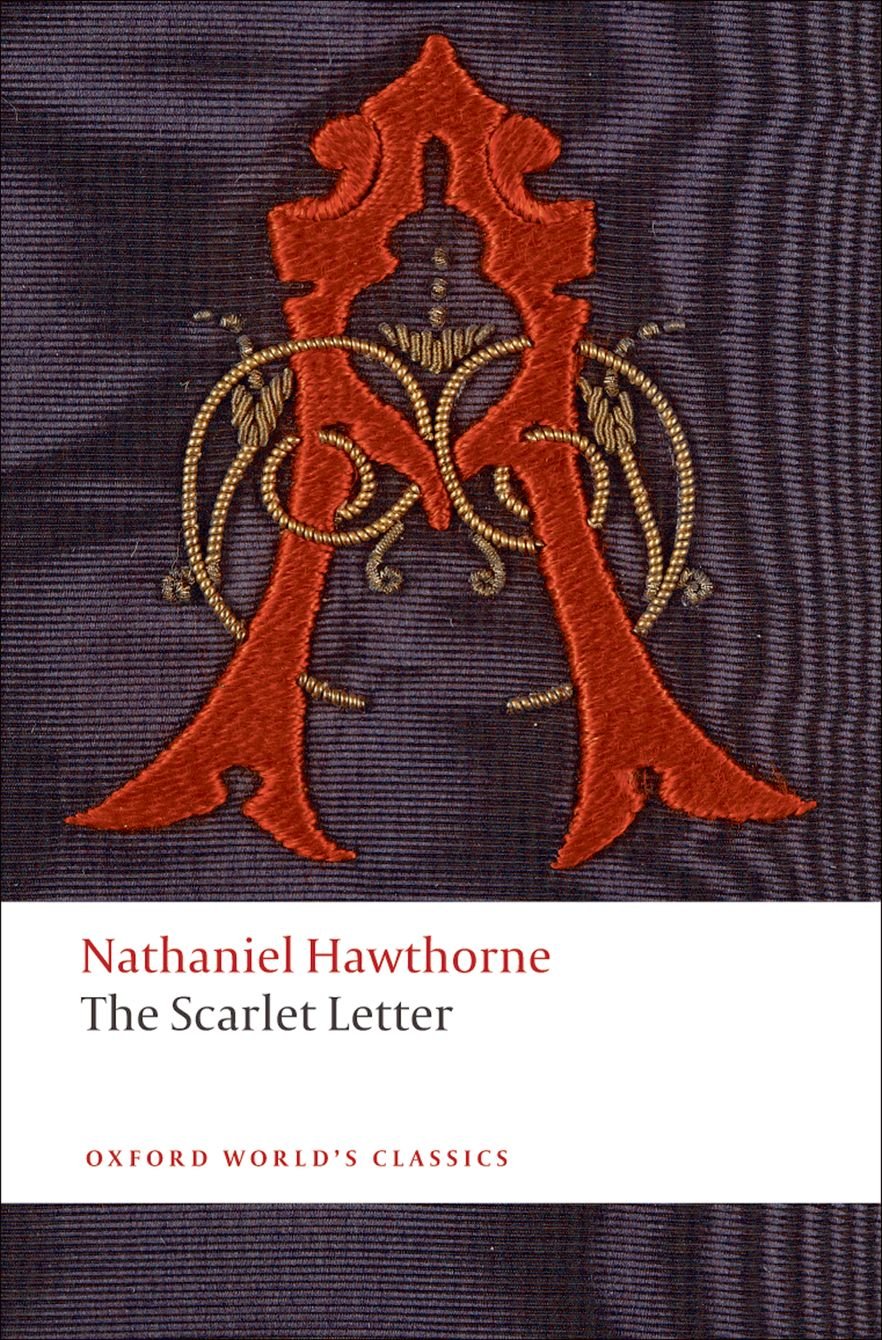
There are many excellent critical editions to choose from in paper and on kindle. I prefer The Scarlet Letter (Oxford World's Classics) Paperback – February 15, 2009 by Nathaniel Hawthorne (Author), Cindy Weinstein (Author), Brian Harding (Editor) I have the paperback and I have it on kindle.
Here is one good free online option.
Selections from Nathaniel Hawthorne's The Scarlet Letter: Introduction and first five chapters
"The Custom House," beginning at "The figure of that first ancestor, invested by family tradition with a dim and dusky grandeur, was present to my boyish imagination, as far back as I can remember."
Chapters I. THE PRISON DOOR II. THE MARKET-PLACE III. THE RECOGNITION IV. THE INTERVIEW V. HESTER AT HER NEEDLE
Recommended Reading:
Camille, Michael, Image on the Edge: the Margins of Medieval Art (1992)
Recommended viewing:
The Procession, from Nathaniel Hawthorne's "The Scarlet Letter"
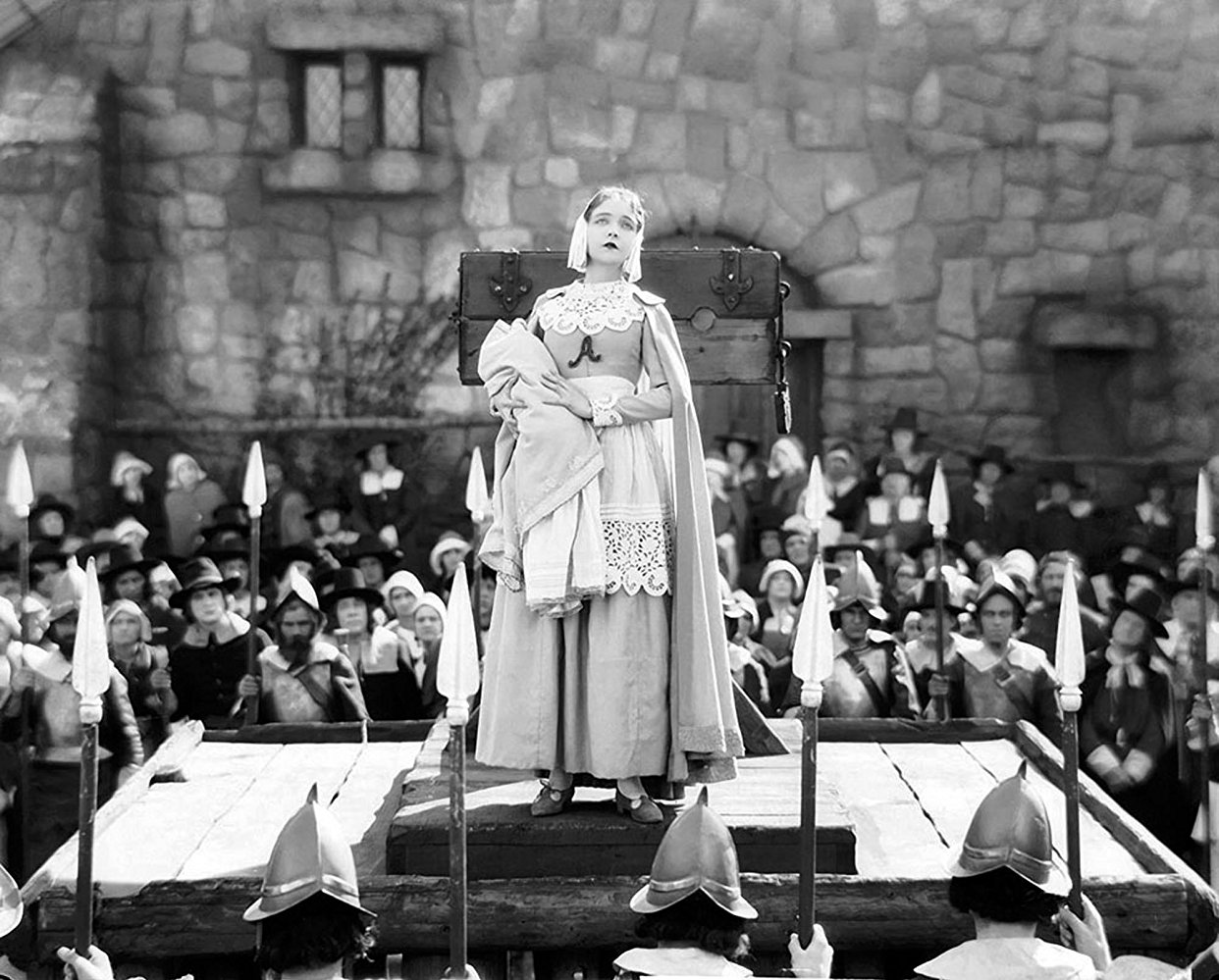
The Scarlet Letter (dir. Joseph Sjöström, 1926) - Full Film
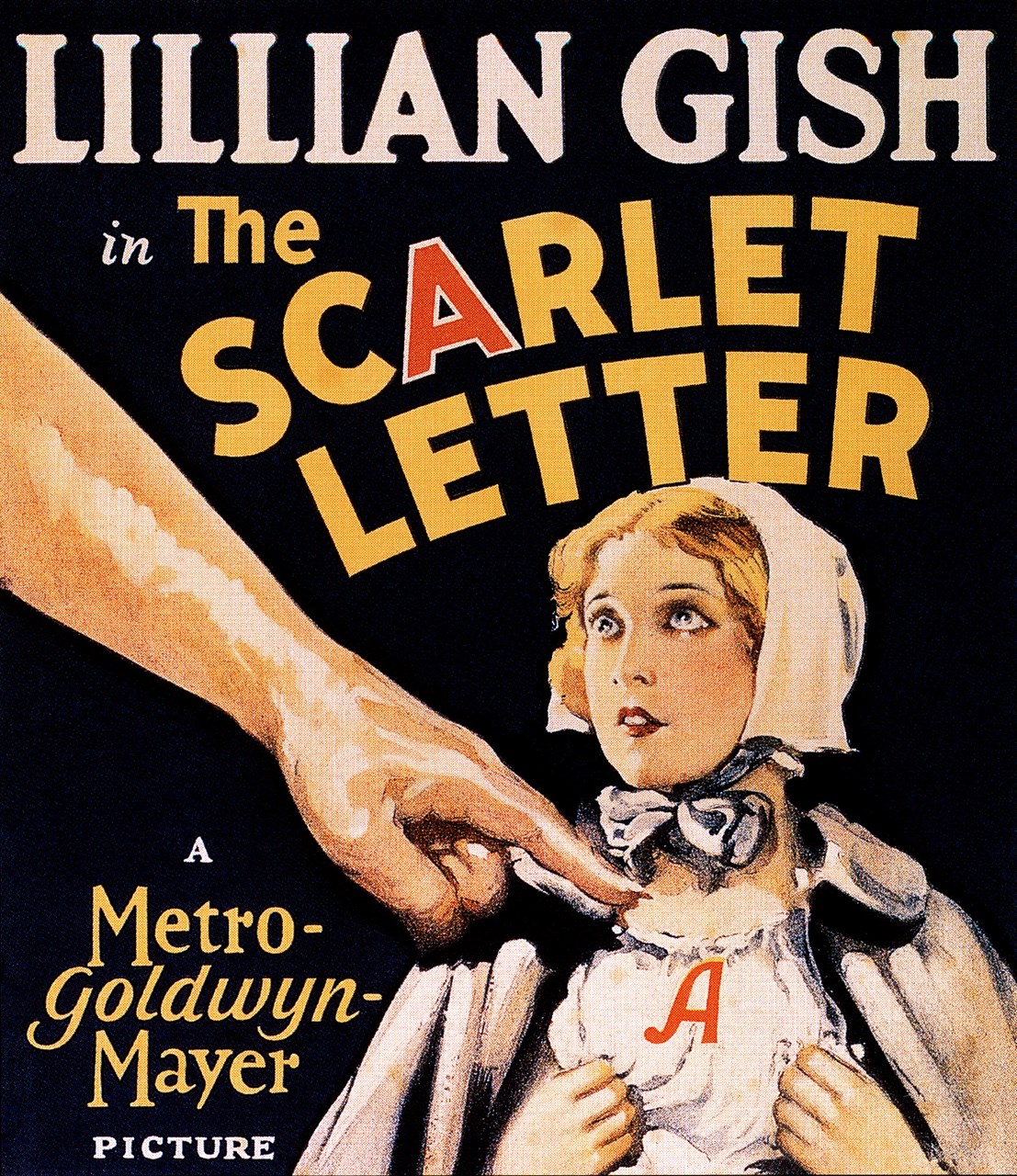
Easy A (dir. Will Gluck, 2010)

There will be a quiz in class September 11 on the assigned reading for September 11.
September 11: Truth as logic, law of non-contradiction; legal truth--proven beyond a reasonable doubt with evidence, circumstantial or not; hidden / revealed truth (religion; philosophy and metaphysics) in need of interpretation
REQUIRED READING: Chapters VI-XIII.
VI. PEARL. VII. THE GOVERNOR'S HALL; VIII. The Elf-Child and the Minister. IX. The Leech. X. The Leech and His Patient. XI. The Interior of a Heart. XII. THE MINISTER’S VIGIL, XIII. ANOTHER VIEW OF HESTER
Discussion Questions (DQs) and Three Big Words due September 15 by 5:00 p.m. on the assigned parts of Hawthorne's The Scarlet Letter.
https://docs.google.com/document/d/17o8EJlXUU-ou0-_y0LW7JXz73-D_msTM6XXNKOSpcqM/[email protected]
September 16 Revelation or Hallucination?
REQUIRED READING:
Nathaniel Hawthorne's The Scarlet Letter
Chapters XIV-through the Conclusion.
XIV. HESTER AND THE PHYSICIAN. XV. Hester and Pearl XVI. A Forest Walk XVII. The Pastor and His Parishoner. XVIII. A Flood of Sunshine XIX. The Child at the Brook. XX. The Minister in a Maze. XXI. The New England Holiday. XXI. THE PROCESSION. XXIII. THE REVELATION OF THE SCARLET LETTER; XXIV. CONCLUSION
Recommended:
The New England primer : a reprint of the earliest known ... compiled 1721 digital copy
September 18
REQUIRED READING: Petrarch and his Literary Legacy
Recommended Reading:
Petrarch:The Canzoniere aka rime sparse nos. 1, 3, 16, 35, 50, 61, 81, 82, 90, 122, 126, 129, 134, 156, 159, 189, 190, 269, 271, 272, 310. ED. ROBERT DURLING Petrarch's lyric poems: the Rime sparse and other lyrics
Durling, Robert M; Petrarca, Francesco,
Petrarch,The Poetry of Petrarch, David Young (Translator)
"The Invention of the Sonnet" TRANSLATION Anna Maria Armi (1946)*
David Kalstone, Sir Philip Sidney and "Poore "Petrarchs" Long Deceased Woes" The Journal of English and Germanic Philology, Jan., 1964, Vol. 63, No. 1 (Jan., 1964), pp. 25-29
Sir Philip Sidney, Astrophel and Stella (sonnet sequence)
YOUR FIRST PAPER IS DUE September 20 by 11:59p.m.
DUE Saturday, September, 20, by 11:59 p.m.
Please email it as a google doc to me at [email protected].
September 23
REQUIRED VIEWING:
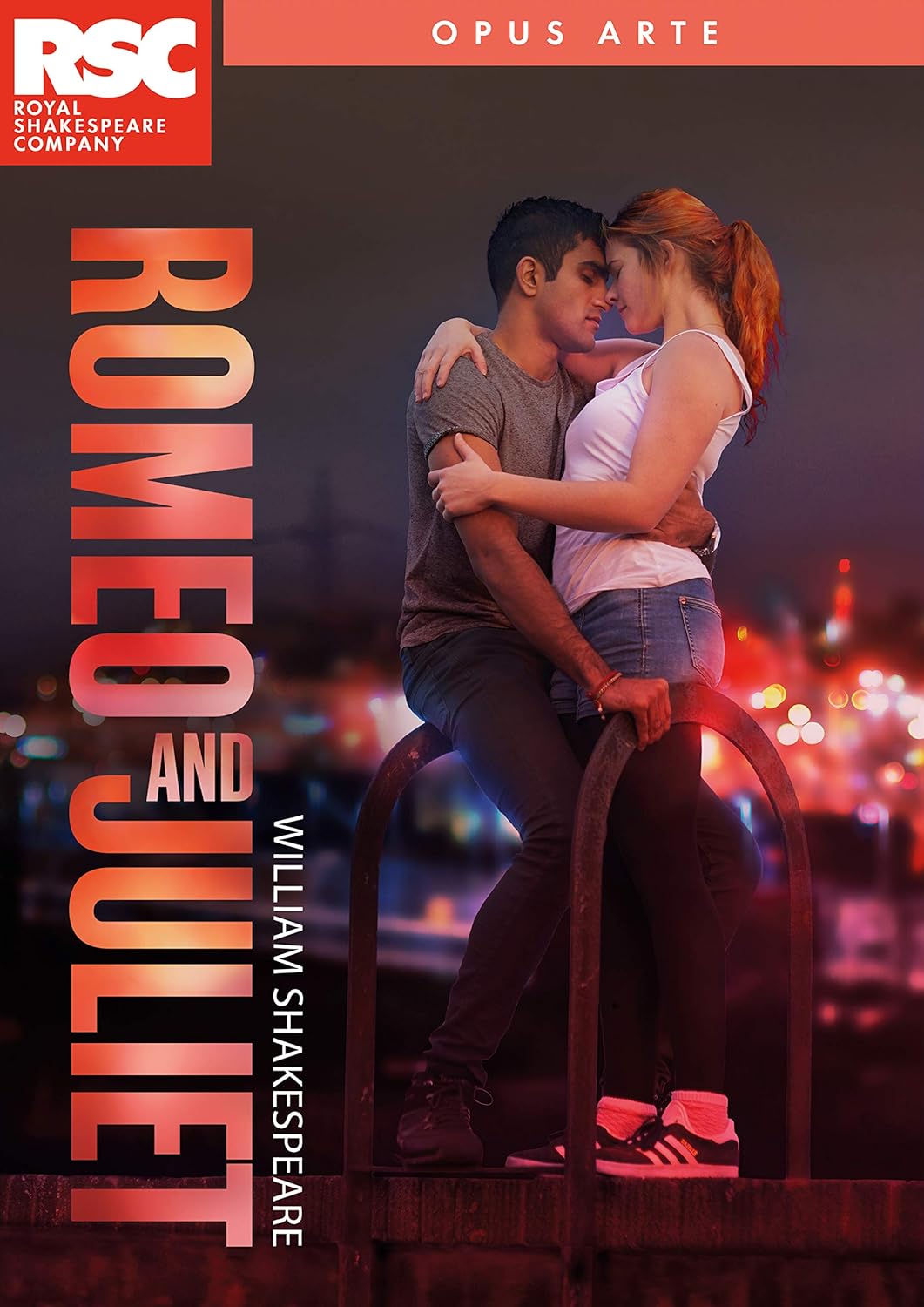
William Shakespeare, Romeo and Juliet
Romeo and Juliet - Tony Britton - Virginia McKenna - Flora Robson - 1955 - Restored - 4K
Recommended Viewing:
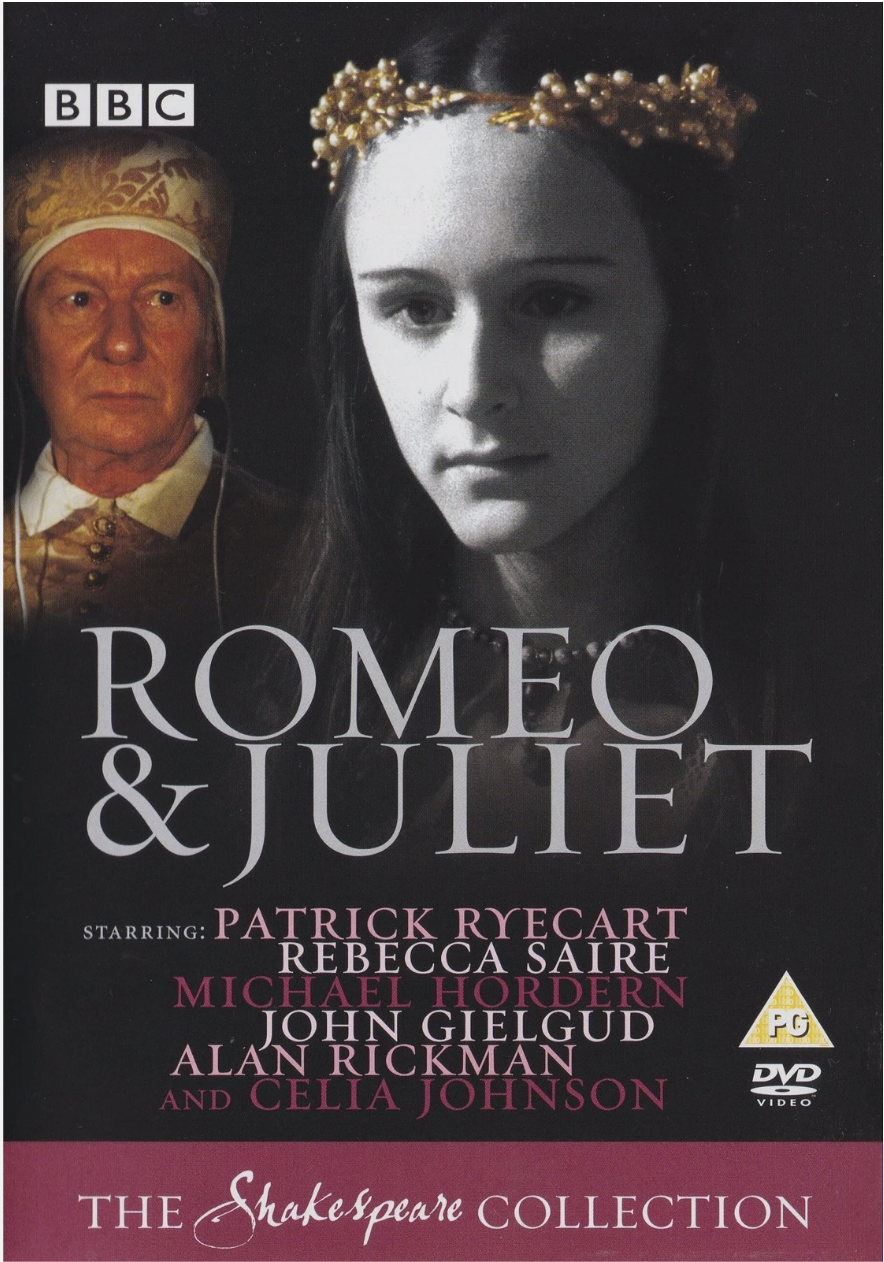
BBC Shakespeare: Romeo and Juliet 1978 / VHS upload for free at archive.org
September 25
REQUIRED READING: ACTS I-III Read this edition. It is definitely the best.
William Shakespeare, Romeo and Juliet, Levinson, Jill L. ed. 2000 Borrow for free at archive.org (one lender at a time) / Also here / Also no need to borrow here.
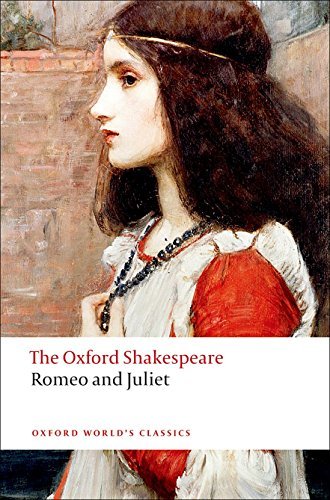
Recommended Reading: (OR READ THIS VERSION. IT IS ALMOST THE BEST.)
William Shakespeare, Romeo and Juliet, James Loehlin, ed. 2002 ACTS IV and V
REQUIRED VIEWING:
Warm Bodies (dir. Jonathan Levine, 2013)

October 2
REQUIRED VIEWING:
Letters to Juliet (dir. Gary Winick, 2010)
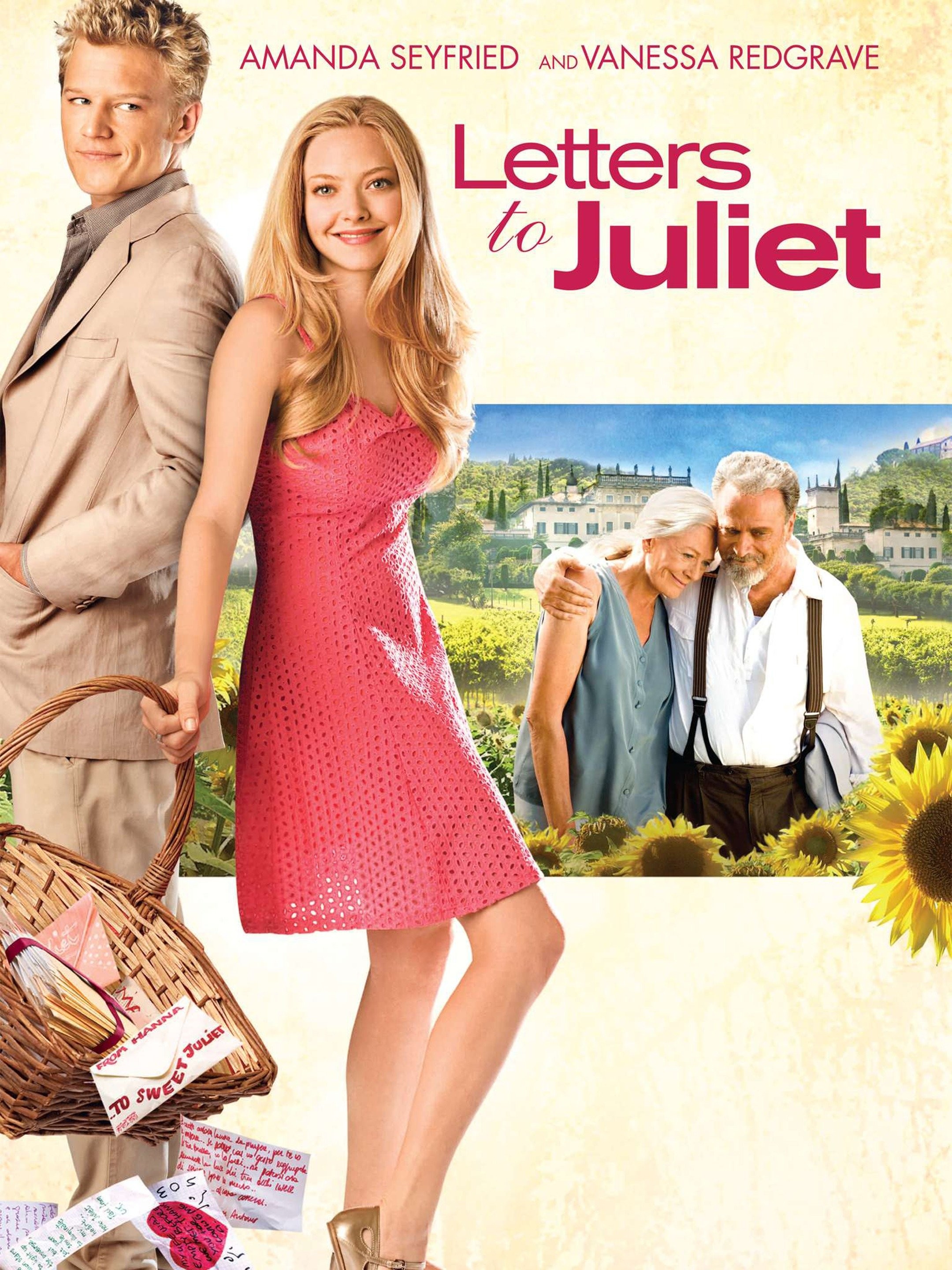
Recommended Reading and Viewing:
Malvolio finding Maria's forged letter in Shakespeare's Twelfth Night
Act 2 Scene 5 | Twelfth Night | 2017 | Royal Shakespeare Company
Dinitia Smith, "'Dear Juliet': Seeking Succor From a Veteran of Love," New York Times
March 27, 2006
Verona Tourism and Taylor Swift
Ella Taylor,'Letters To Juliet': A Comedy Of Errors, In Three Acts May 13, 2010
https://www.npr.org/2010/05/13/126775950/letters-to-juliet-a-comedy-of-errors-in-three-acts
"Dear Juliet" (Yes, That Juliet) https://www.youtube.com/watch?v=NW8V60PNDhU
In Taylor’s Version, Ophelia Has a Fairy-Tale Ending Taylor Swift reimagines the fate of the tragic “Hamlet” heroine on her new album, “The Life of a Showgirl.” But did she really need saving? NY Times, 10 /4 / 2025
"In Swift’s slinky, perky and infectiously catchy new single, Ophelia isn’t a figure of subversive power so much as a worst-case scenario: “You saved my heart from the fate of Ophelia,” she tells a lover on the chorus. (In an interview featured in “The Official Release Party of a Showgirl,” an album accompaniment playing at AMC theaters, Swift notes that this is the second time she’s rewritten a Shakespearean tragedy to have a happily ever after: See also the fate of Romeo and Juliet in her “Love Story.”)"
October 7
REQUIRED READING:
Edgar Allen Poe, The Murders in the Rue Morgue, pp. 5-81
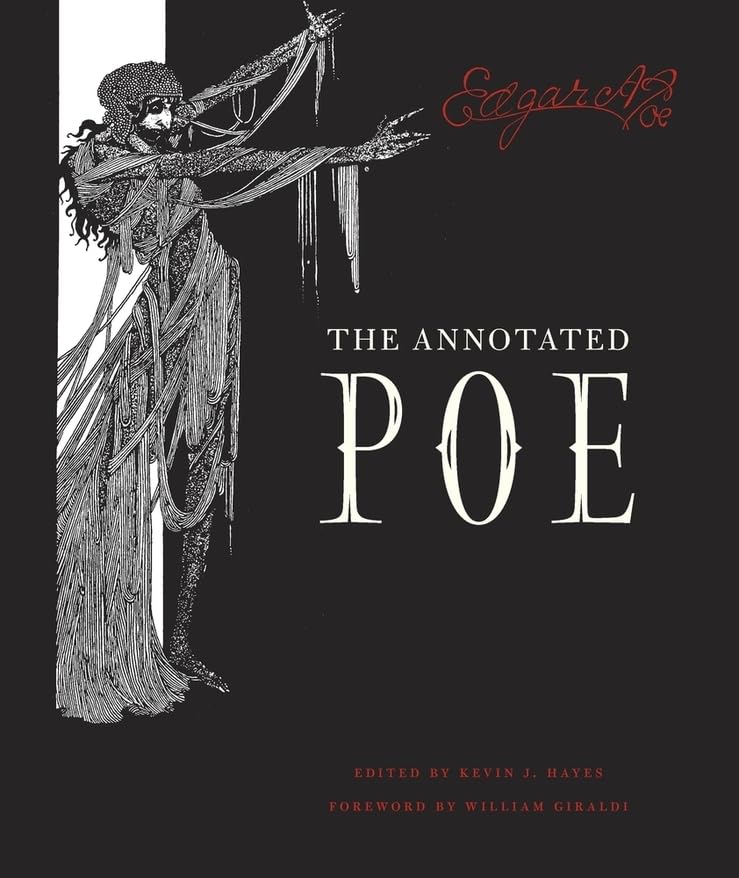
Recommended:
The Murders in the Rue Morgue Facsimile of the Ms.
Edgar Allan Poe, “The Murders in the Rue Morgue” [Text-01], “Johnston” manuscript, early 1841
Edgar Allan Poe, “The Murders in the Rue Morgue” [Text-02], Graham’s Magazine (Philadelphia, PA), vol. XVIII, no. 4, April 1841, pp. 166-179
Edgar Allen Poe, "The Mystery of Marie Roget," pp. 80-185
"Dupin" rhymes with "Fin" ("the end") in French. "Dupin" sounds like "Dupan." But the letter "n" is silent
How to say 'orangutan' in French?
October 9 REQUIRED READING:
"The Purloined Letter" in The Annotated Poe, Ed. Kevin J. Hayes (Harvard UP, 2015), pp. 318-36
or
October 21 The Letter of the Law
REQUIRED READING:
Wiliam Shakespeare, The Merchant of Venice, Acts 1-3
Recommended:
The Merchant of Venice 1936
Shylock takes on Oswald Mosley’s Blackshirts
Patrick Stewart on Shylock (INTERVIEW on Youtube)
October 23
REQUIRED VIEWING:
William Shakespeare's The Merchant of Venice Al Pacino (Actor), Jeremy Irons (Actor), Michael Radford (Director)
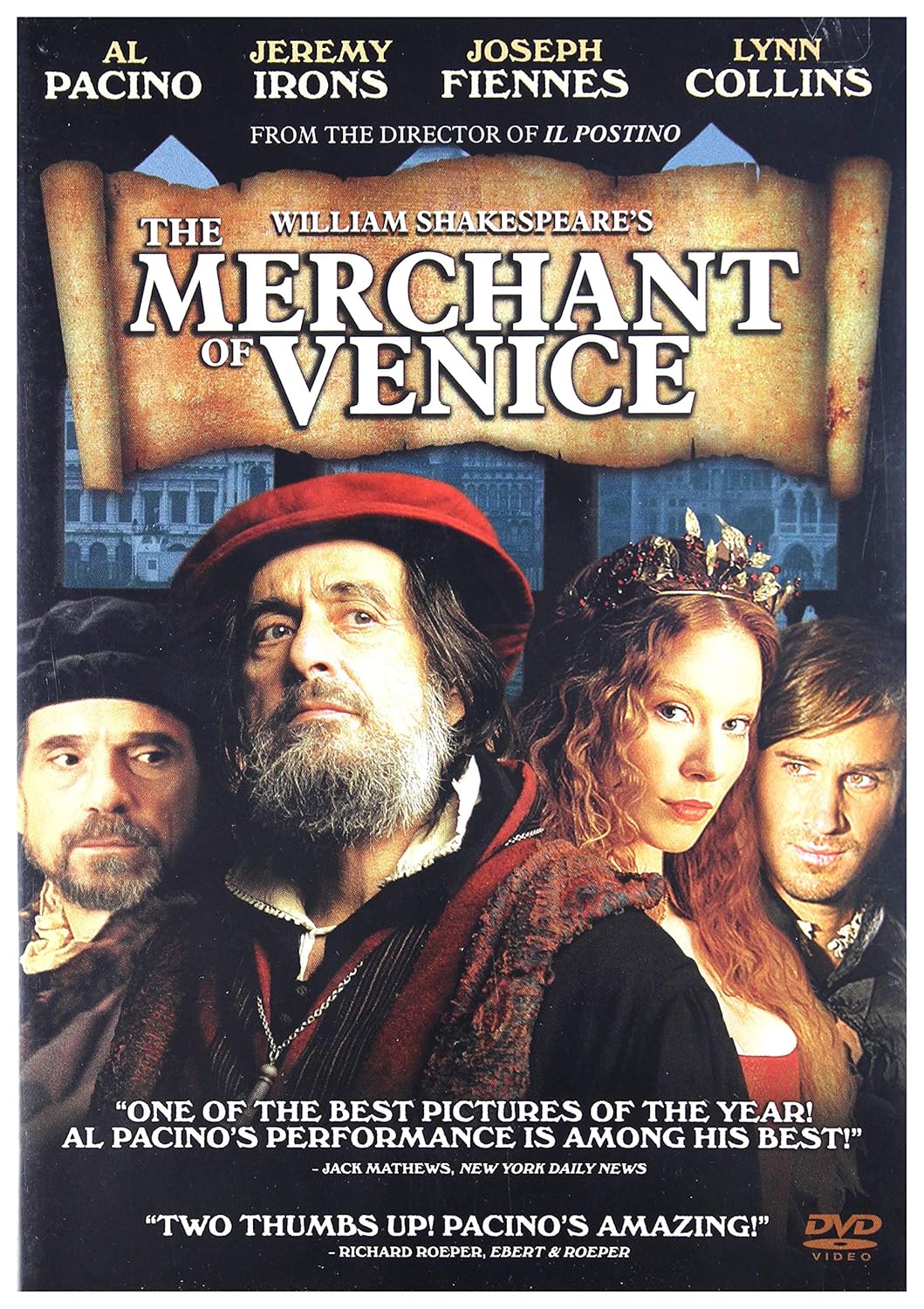
Recommended:
Al Pacino - Shylock - monologue - 4 versions - The Merchant of Venice
October 28
REQUIRED READING:
Wiliam Shakespeare, The Merchant of Venice, Acts 4-5
Recommended Reading:
SIgmund Freud, "The Theme of the the Three Caskets"
October 30
REQUIRED VIEWING:
The Merchant of Venice BBC (Watch this version. If you can't stream it, you can check it out either from UF or through interlibrary loan.)
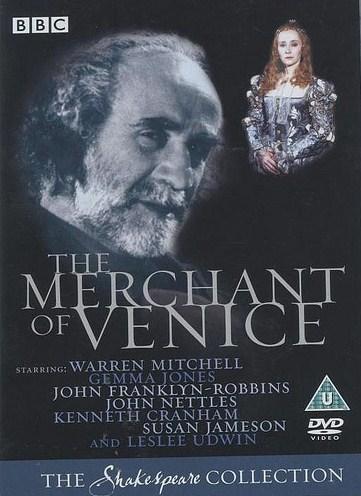
November 4 Point of View, the Flashback, and the Republic of the Spirit
REQUIRED READING:
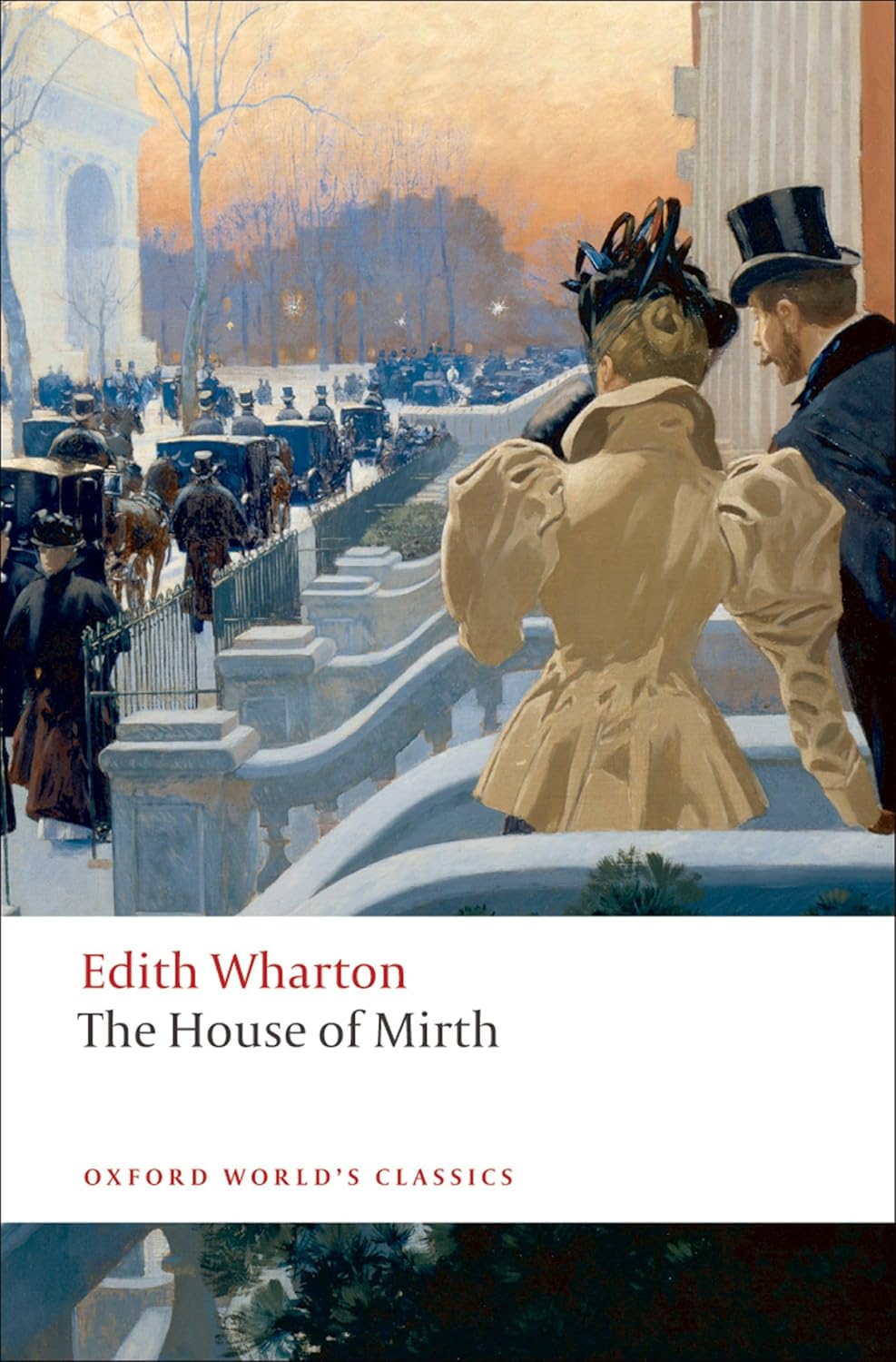
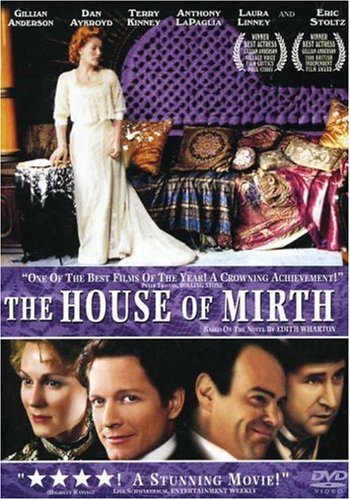
Edith Wharton, The House of Mirth Chapters 1-6
I recommend the Oxford World's Classics edition, but you may read the novel unedited for free here.
November 6 Wall Street and Fifth Avenue
REQUIRED READING:
Edith Wharton, The House of Mirth Chapters 7-13
November 11
Holiday
November 12 Robo-Reading Assignment due by 5:00 p.m. Post on canvas and the google (as you have done for DQs in the past).
November 13
REQUIRED READING:
Edith Wharton, The House of Mirth Book I, Chapter 14-15; Book II, Chapters 1-2
November 18 (No DQs due Monday November 17)
REQUIRED READING:
Edith Wharton, The House of Mirth Book II, Chapters 3-8
November 19: New Assignment due by 5:00 p.m. in three parts:
Part 1. Give two examples of humor in The House of Mirth.
Examples: " That very afternoon they had seemed full of brilliant qualities; now she saw that they were merely dull in a loud way"; "Lily stood staring vacantly at the white sapphire on its velvet bed. Evie Van Osburgh and Percy Gryce? The names rang derisively through her brain. Evie Van Osburgh?"; "Grace Stepney’s mind was like a kind of moral fly-paper"
November 20
REQUIRED READING:
Edith Wharton, The House of Mirth Book II, Chapter 9 to the end of the novel.
November 25 Holiday
November 27 Holiday
December 2
YOUR Last PAPER IS DUE in class December 2. Assignment: Wharton's use of aphorism:
Please email it to me at [email protected].
 .
.
ROBO-READING
1. An Exercise in Wharton's Language and Style
Nothing below is required for this course:
Cannons – Golden (Harry Styles Cover)
rythm guitar and bass visible“‘My aunt is full of copy-book axioms, but they were all meant to apply to conduct in the early fifties.” One could extract, copy or cut and paste, and collect Wharton’’s own sentences—or sententiae? Apothegms? adages? Aphorisms? They are not copy book commonplaces. Just title the the book collection WHARTON’S WIT.
ALTERNATE POSSIBLE SCHEDULE
JACQUES DERRIDA, "The Purveyor of Truth," condensed version, pp. 173-193
The French Reception of Poe's Crypts:
RECOMMENDED:
Jacques Derrida, "Le facteur de la vérité" in The Post Card (trans. Alan Bass), pp. 414-47
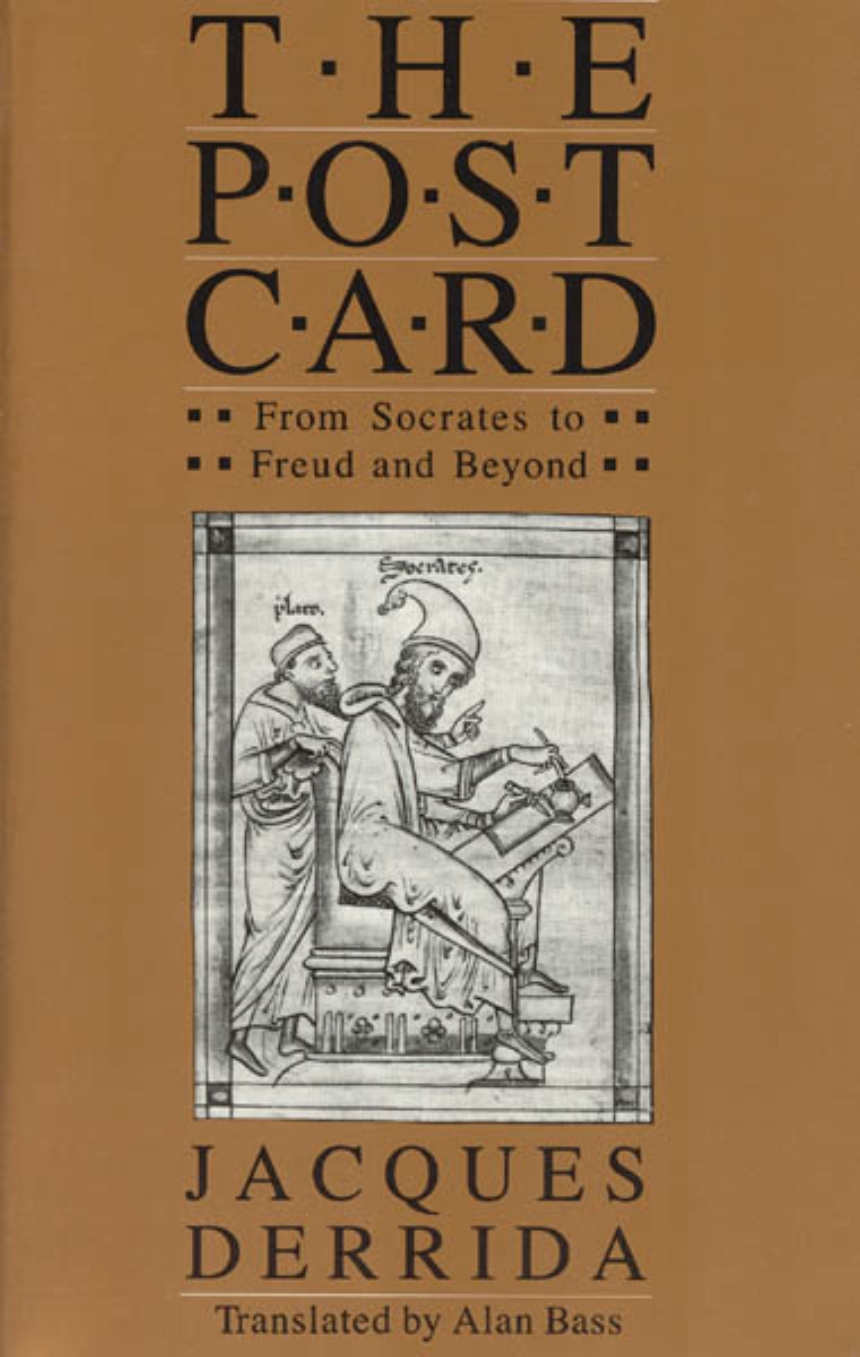
JACQUES DERRIDA, "The Purveyor of Truth," condensed version, pp. 194-213
RECOMMENDED:
The French Reception of Poe's Crypts:
Jacques Derrida, "Le facteur de la vérité" in The Post Card (trans. Alan Bass), pp. 447-96
Recommended Reading:
Seminar on The Purloined Letter •
............Jacques Lacan
https://www.lacan.com/purloined.htm
Jacques Lacan and Jeffrey Mehlman, "Seminar on 'The Purloined Letter'" Yale French Studies No. 48, French Freud: Structural Studies in Psychoanalysis (1972), pp. 39-72
Barbara Johnson, "The Frame of Reference: Poe, Lacan, Derrida," Yale French Studies, 1977, No. 55/56, Literature and Psychoanalysis. The Question of Reading: Otherwise (1977), pp. 457-505
Romeo and Juliet - Christopher Neame - Ann Hasson - Clive Swift - Multiple Subtitles - 1976 - 4K
A Warming Flame--The Musical Presentation of Silent Films
by Gillian B. Anderson, Music Specialist
A (Very) Brief History Of Film Music
The Evolution of Film Music: From Silent Movies to Symphonic Masterpieces
https://filmleitmotif.weebly.com/a-brief-history-of-film-music.html
A lost art: music in silent film
The Wizardry of Wireless (1923) - radio transmission - silent film w/music by Ben Model
Published online by Cambridge University Press: 05 February 2015
My Vinegar Syndrome Disillusionment | Latest Blu-ray & 4K Pick Ups
How Was Sound Achieved in Early Sound Films? - The Vitaphone Explained!
Musicology: The Effect of Music in Film
SE7EN & How 35mm Scans Lie to You
Nothing below is required for your assignment:
In Venom (dir. Ruben Fleischer, 2018) a clip that serve as a trailer for the sequel sandwiched in between the above line end credits and the below the line credits. The end credits are followed by a trailer for the animated feature film SPIDER-MAN: INTO THE spider-verse.
Venom’s 2 end-credits scenes, explained Spoiler alert.By Alex Abad-Santos[email protected] Updated Oct 5, 2018, 7:45pm EDT
Media Whitewashing the Blood-Soaked US Military-Industrial Complex January 14, 2019
Marvel Studios' Captain Marvel - Trailer 2
CAPTAIN MARVEL (2019) First Look Trailer Concept - Brie Larson Marvel Movie HD
Play one trailer, sound only, and off screen with another trailer, sound on, on screen.
CAPTAIN MARVEL Teaser Trailer Concept (2019) Brie Larson Marvel Movie HD
CAPTAIN MARVEL Final Trailer (2019) Brie Larson, Marvel Superhero Movie HD
Btw, don't even think of going to graduate school to get a Ph.D in English--or any other kind of--literature.
Stephen Marche, a survivor of academia, returns to a troubled field"
TLS, June 2019
Verona Juliet's House TOUR | Casa di Giulietta | Travel vlog 2022
Casa Di Giulietta
https://www.youtube.com/watch?v=sHBk720eInshttps://www.youtube.com/@AmazonMGMStudios
Traduction par Charles Baudelaire.
Histoires extraordinaires, Michel Lévy fr., 1869 (p. 93-124).
Amadeus | 4K Ultra HD Trailer | Warner Bros. Entertainment
Gilbert Ryle, Knowing How and Knowing That: The Presidential Address Proceedings of the Aristotelian Society, New Series, Vol. 46 (1945 - 1946), pp. 1-16
Gilbert Ryle, Improvisation, Mind , Jan., 1976, New Series, Vol. 85, No. 337 (Jan., 1976), pp. 69-83
Jason Stanley, Timothy Williamson, Knowing How The Journal of Philosophy, Vol. 98, No. 8 (Aug., 2001), pp. 411-444
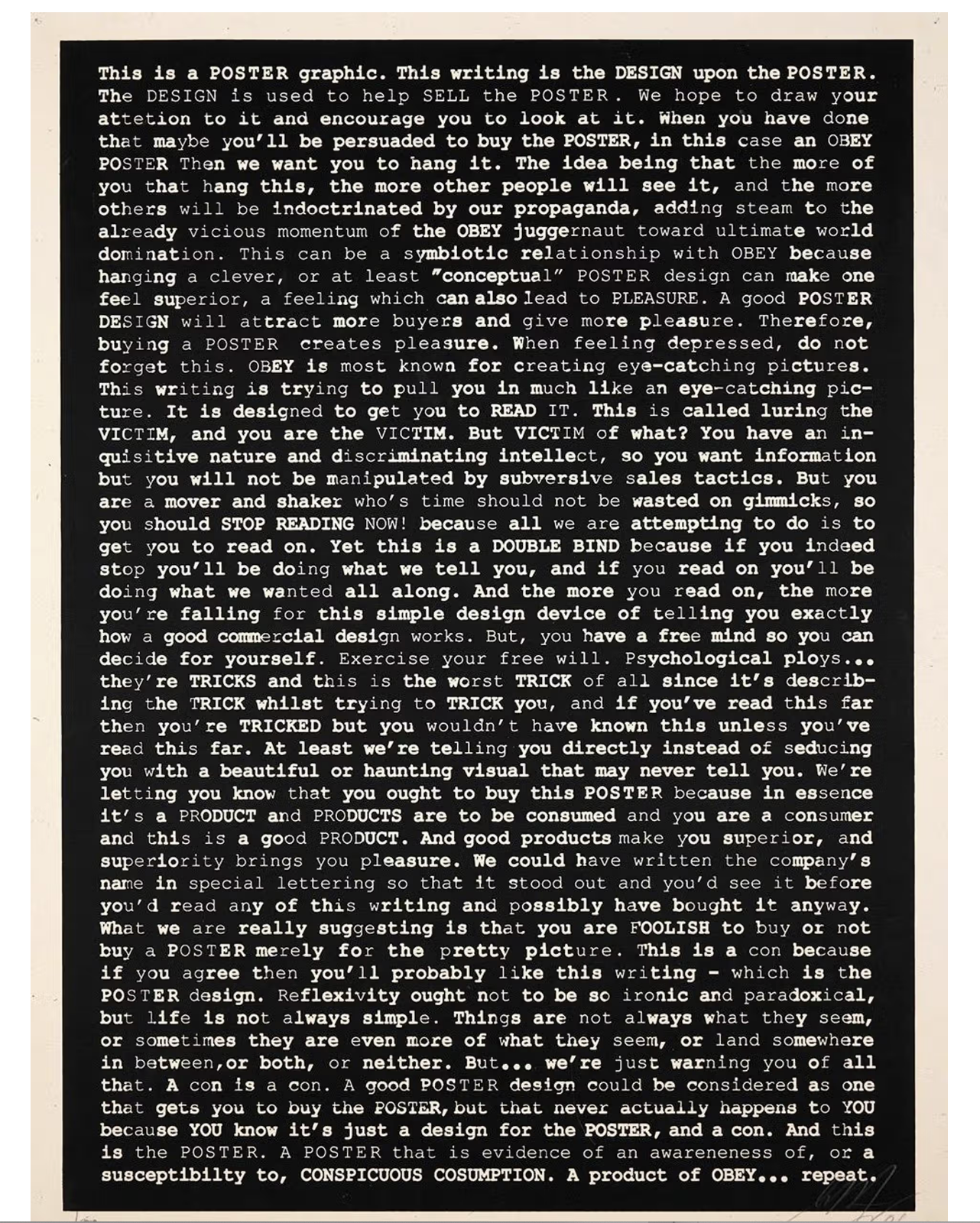
POETRY AND MUSIC
Listening to musical structure / performance (as listening to yourself as you play)
People talk all the time about poetry being the most musical of any kind of writing. But they nevre go to music to show you what that means. So let's go to music. "Run Away with Me" E·MO·TION
Der Leiermann - Schubert - accompaniment in G minor
The Power of Poetry, with William Sieghart, Jeanette Winterson, and Helena Bonham Carter (actors reading poems selected by writers)
Remake of Le Corbeau (The Raven)
The 13th Letter aka The Last Letter (dir. Otto Preminger, 1951)

A discussion question means writing icritically about something in the work’s aesthetic form.
You will be counted absent if you do not turn in the DQs on time Mondays, and Wednesdays. No late work is accepted. I allow two unexcused absences. Three or four absences will impact your final grade at my discretion. More than four absences means you will fail the course. See the Attendance policies for this course.
Please see my policy on class participation and how it counts in determining your final grade for this course.
We will not read primarily for character indentification or for the plot. You need to read carefully paying close formal attention to the what the text says and how it says it, to the words used, language, and the style. We will be reading to appreciate why these works are considered great. That is critical thinking or appreciative criticism. It means you be surprised. We will not be reading to find out what is wrong with the book or film to judge the authors for being x, y, or z. That is called uncritical thinking. It's a kind of pin the tail on the donkey exercise. You may already know how to do it. If you do, you need to unlearn so you cannot do it.

The Merchant of Venice 2004 720p BluRay
The Merchant of Venice (2004) trailer
The Merchant of Venice (1973) (Full movie)
Romeo and Juliet, Levenson, Jill L. ed. 1987
Shakespeare King Lear
Letter from Siberia Directed by Chris Marker • 1957 • France
Le Vert au cinéma - Blow Up - ARTE
Le Rouge au cinéma - Blow Up - ARTE
Chopin Ballade in G Minor Scene- The Pianist
https://www.youtube.com/watch?v=jHfQCfUTlXE
Frederic Chopin - Ballade No. 1 in G Minor, Op. 23 (From The Pianist)
https://archive.org/details/FredericChopinBalladeNo.1InGMinorOp.23FromThePianist
https://www.youtube.com/watch?app=desktop&v=o5PNi2KjXkU
Painting for auction shown without a frame, with a frame, and the back side of the framed painting.
https://www.dorotheum.com/en/l/9372850/
https://www.cursedtext.net/glitch-text-generator
https://x.com/LostInFilm/status/1942272624668692519
Casa Malaparte in Jean-Luc Godard’s 'Le Mépris' (1963)
Atomic Blonde | The 10-Minute Single Take Fight Scene in 4K HDR
https://www.arte.tv/fr/videos/083883-015-A/blow-up-les-generiques-de-quentin-tarantino/
Guy J. Williams, "Harkness Learning: Principles of a Radical American Pedagogy"
Dead Letters Sent: Queer Literary Transmission
Sir Thomas Wyatt My Galley Charged with Forgetfulness
(no. 12)
“Was I never yet of your love grieved / Nor never shall while that my life doth last”
Rime 82, ”Io non fu’ d’ amar voi lassato unqu’
https://www.poetryfoundation.org/poets/thomas-wyatt
Whoso list to Hunt, I Know where is an Hind
Sir Philip Sidney (1554-1586): Sonnet 3 from Astrophil and Stella Let dainty wits cry on the sisters nine, 1 That, bravely masked, their fancies may be told; Or Pindar’s apes2 flaunt they in phrases fine, Enam’ling with pied flowers their thoughts of gold; Or else let them in statelier glory shine, Ennobling new-found tropes with problems old; Or with strange similes enrich each line, Of herbs or beasts with Ind or Afric hold. For me, in sooth, no Muse but one I know; Phrases and problems from my reach do grow, And strange things cost too dear for my poor sprites. How then? even thus,—in Stella’s face I read What love and beauty be, then all my deed But copying is, what in her Nature writes. Notes: 1 The nine Muses. 2 Poets who slavishly imitated the literary works of the Greek poet Pindar.
Sir Philip Sidney (1554-1586): Sonnet 3 from Astrophil and Stella Let dainty wits cry on the sisters nine, 1 That, bravely masked, their fancies may be told; Or Pindar’s apes2 flaunt they in phrases fine, Enam’ling with pied flowers their thoughts of gold; Or else let them in statelier glory shine, Ennobling new-found tropes with problems old; Or with strange similes enrich each line, Of herbs or beasts with Ind or Afric hold. For me, in sooth, no Muse but one I know; Phrases and problems from my reach do grow, And strange things cost too dear for my poor sprites. How then? even thus,—in Stella’s face I read What love and beauty be, then all my deed But copying is, what in her Nature writes. Notes: 1 The nine Muses. 2 Poets who slavishly imitated the literary works of the Greek poet Pindar.
John Donne (1572-1631): “The Apparition” When by thy scorn, O murd’ress, I am dead, And that thou thinkst thee free From all solicitation from me, Then shall my ghost come to thy bed, And thee, feign’d vestal,1 in worse arms shall see : Then thy sick taper will begin to wink, And he, whose thou art then, being tired before, Will, if thou stir, or pinch to wake him, think Thou call’st for more, And, in false sleep, will from thee shrink : And then, poor aspen2 wretch, neglected thou Bathed in a cold quicksilver3 sweat wilt lie, A verier4 ghost than I. What I will say, I will not tell thee now, Lest that preserve thee ; and since my love is spent, I’d rather thou shouldst painfully repent, Than by my threatenings rest still innocent. Notes: 1 Virgin priestess. 2 Trembling like an aspen leaf in the wind. 3 Liquid mercury, used to treat veneral disease. 4 Truer.
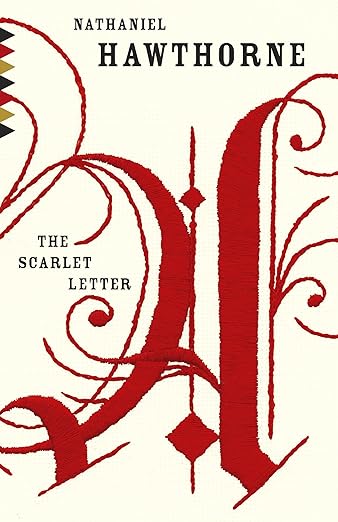
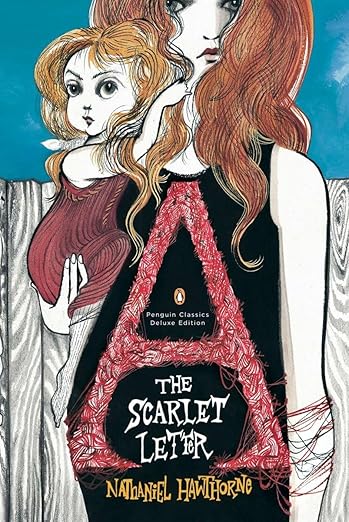
I will be asking you to learn how to do something no one may ever have asked you to do: it's called close reading. (Please do not confuse being moralistic and judgmental--"it didn't do 'x' and it should have done!"--with being critical--"why is the work doing what it is doing the way it is doing it?")."
Close reading means paying attention to language, to the words the author has used, the order in which they are used, and appreciating how well they are used. It means paying attention not to what is said but to how it is said; it means paying attention to the structure of sentences and the structure of the narrative; it means paying attention to tropes such as metaphor, metonymy, and irony, among others; it means being alert to allusions a work of literature makes to other works of literature.
See Cleanth Brooks, "The Heresy of Paraphrase," in The Well-Wrought Urn.
Close reading is a practice designed for literature, for texts that are extremely well-written. Literature is universal. Literature is often difficult to write. And it is often difficult to read. Not just anyone can write it. And not just anyone can read it closely. (If you do not know how to write a grammatical sentence or how to punctuate or how to use words correctly, you cannot learn how to read closely.) All writers of literature are excellent close readers. They know humongous amounts of (big) words.
Do not ask about the author or the historical context. Do not ask speculative questions. They cannot be answered and so are not productive for discussion. Do not ask what the work tells us about some general issue today. Ask about what the work says.
Predatory Reading vs. Literary Criticism
How to Read a Book 1940 edition
How to Read a Book 1966 edition
How To Read A Book 1972 Edition
"What we must not forget, however, is that it is in the completion of the text by the reader that these adjustments are made; and each reader will make them differently. Plurality is here not a prescription but a fact. There is so much that is blurred and tentative, incapable of decisive explanation; however we set about our reading, with a sociological or a pneumatological, a cultural or a narrative code uppermost in our minds, we must fall into division and discrepancy; the doors of communication are sometimes locked, sometimes open, and Heathcliff may be astride the threshold, opening, closing, breaking. And it is surely evident that the possibilities of interpretation increase as time goes on. The constraints of a period culture dissolve, generic presumptions which concealed gaps disappear, and we now see that the book, as James thought novels should, truly "glories in a gap," a hermeneutic gap in which the reader's imagination must operate, so that he speaks continuously in the text.
Barthes denies the charge that on his view of the reading process one can say absolutely anything one likes about the work in question; but he is actually much less interested in defining contraints that in asserting liberties.
When we see that the writer speaks more than he knows what we mean is that the text is under the absolute control of no thinking subject, or that it is not a message from one mind to another."
--Frank Kermode, "A Modern Way with the Classic"
New Literary History Vol. 5, No. 3 (Spring, 1974), pp. 415-434; pp. 425; 432; 433
The reason literature, film, and philosophy are so great, so deeply admired yet often controversial, even despised, is that writers are free to say anything they wish they way they want to say it, fillmakers get to show images of anything they wish, they way they want to show them, and philosophers can ask philosophical questions about anything they wish whenever they want. It's called FREEDOM OF EXPRESSION.
In order to include all students in class discussion, and in order to make it easier for you to read closely and thereby improve your own writing, We will close read, read slowly the assigned text sentence by sentence or the assigned film shot by shot. Discussion co-leaders and I will call on a student at random and ask that student to read a specific sentence out loud and then to close read it. If the student is unable to read the sentence closely, the co-leaders will call on another student and ask that student to read a specific sentence out loud and then to close read it. We will continue to discuss the same sentence until a student reads it closely. We will then proceed in the same fashion with the next sentence. And so on. Due to time constraints and because close reading is slow reading, we will skip parts of the assigned text, but we will always be talking and only be talking about words, syntax, punctuation, paragraphing, and narration in the text. As we move through the text, we will be able to make more general comments about parts of it. If students have comments to add on the sentence under discussion, they may raise their hands and make them once they have been called on by the co-leaders or me.
In order to learn the names of all the students in the class, I will take roll on canvas at the beginning of class. As I state on the requirements webpage, if you are late to class, I consider you absent. If you are absent more than twice, your final grade may suffer. If you are absent four times, you fail the class.
Here is what I have written on the requirements webpage:
"Attendance means not only being in class, but includes completing the assigned work for each class by the time it is due and arriving to class on time. (If you arrive late to class or if you don't do the discussion questions, you are counted as absent.)
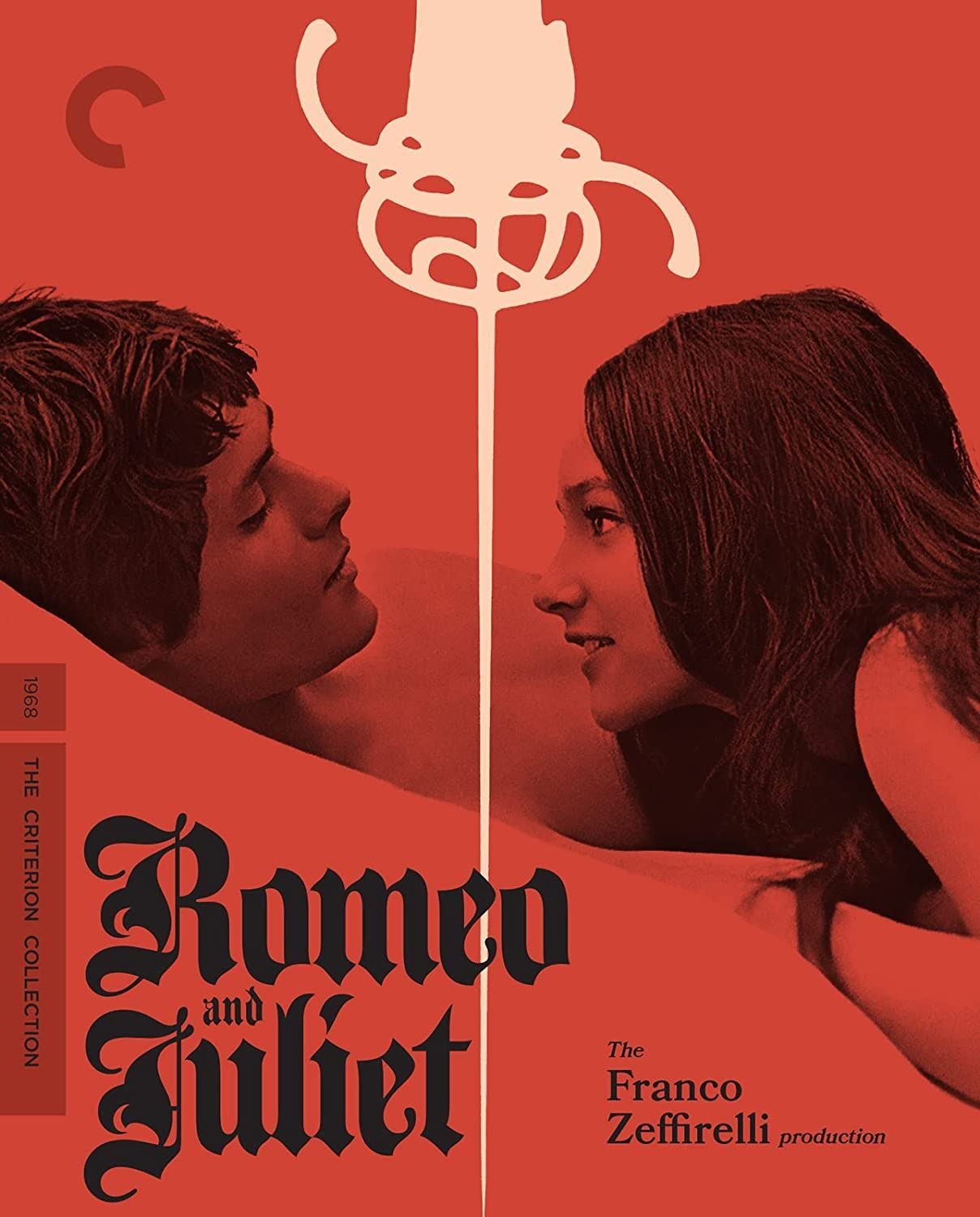
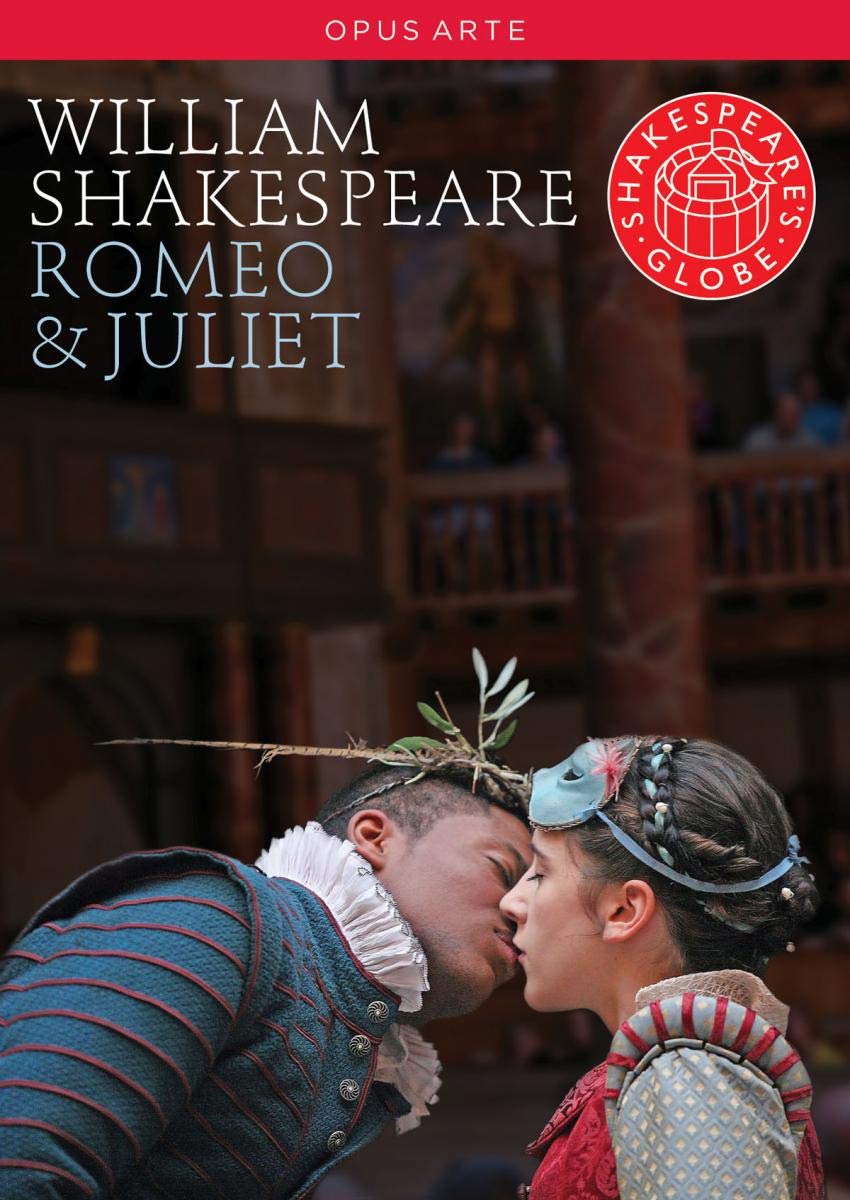
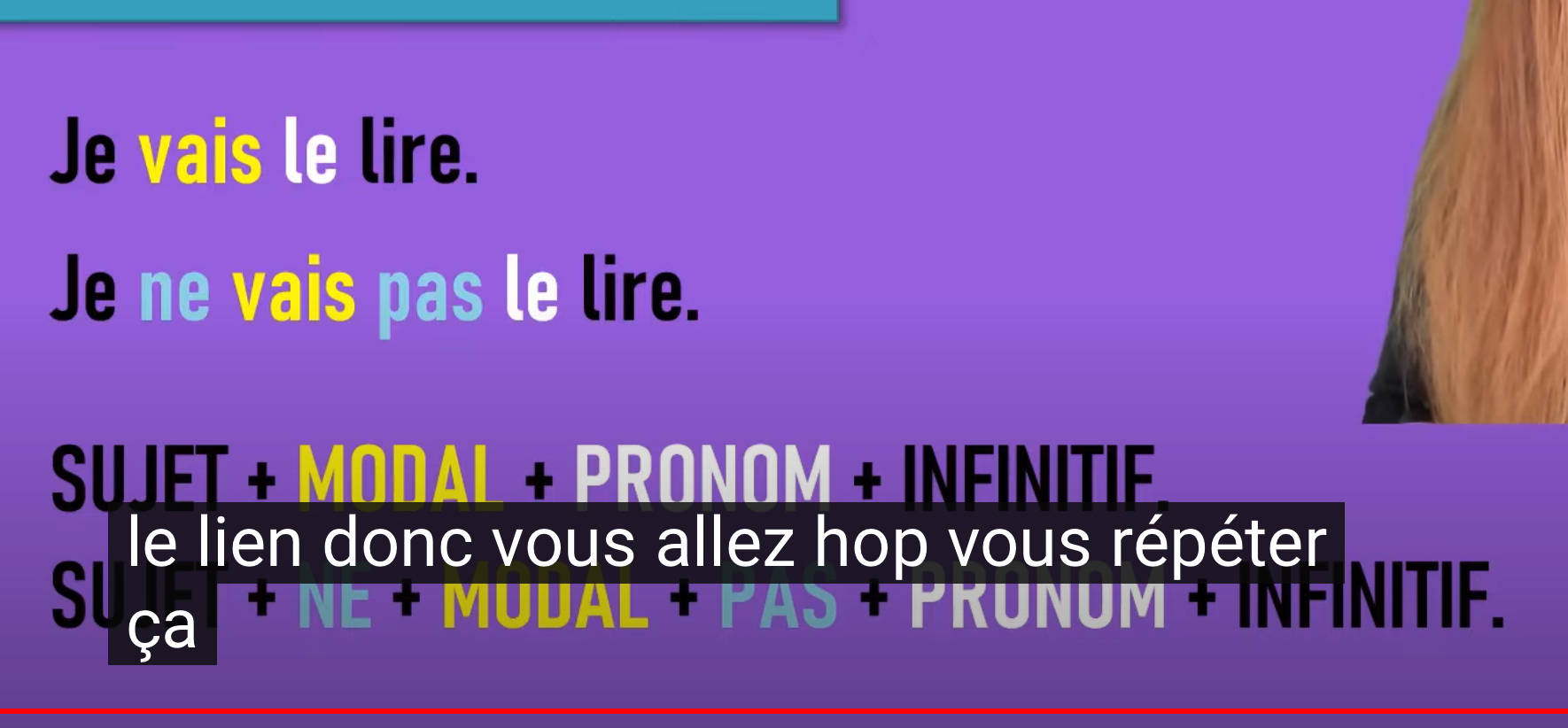
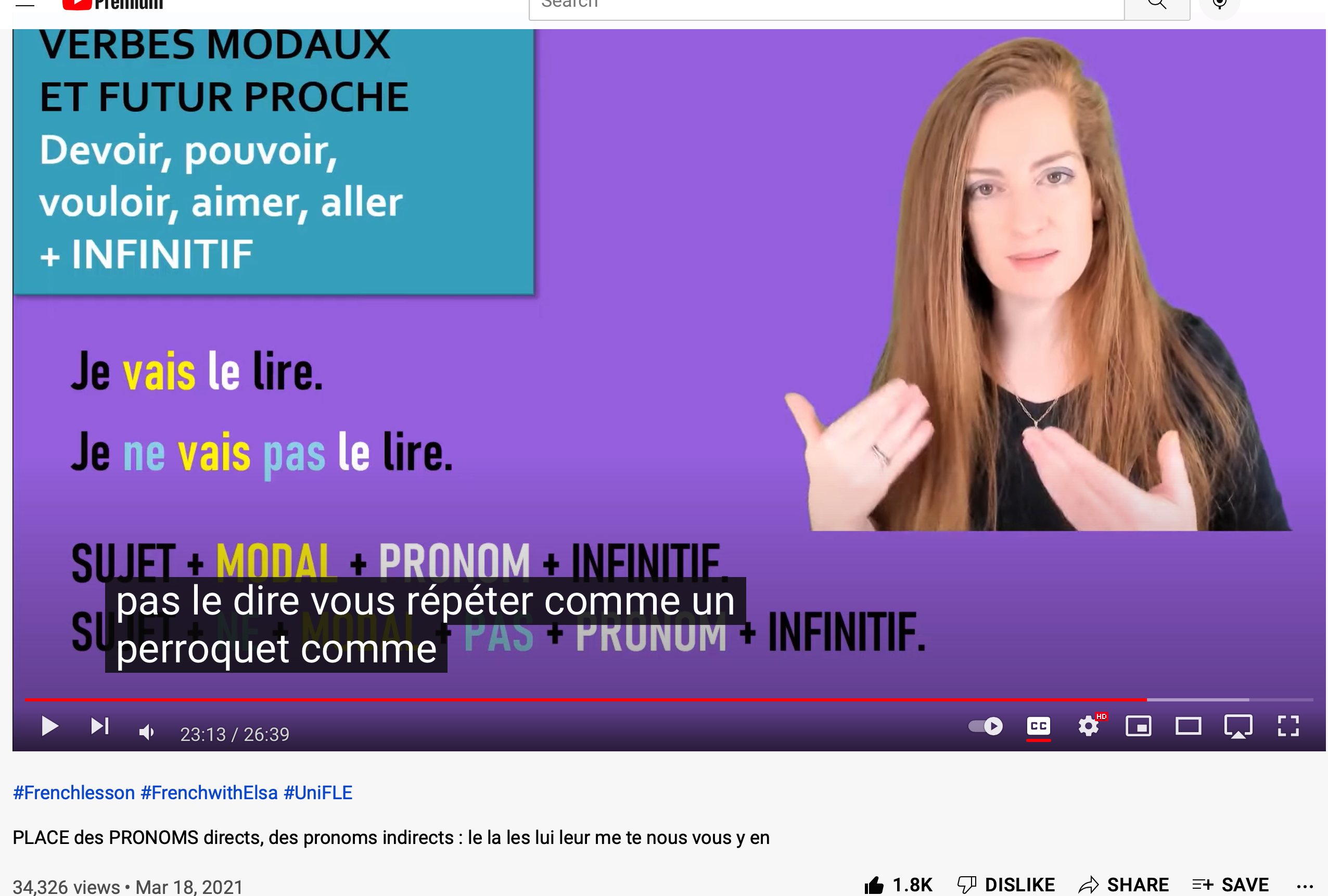
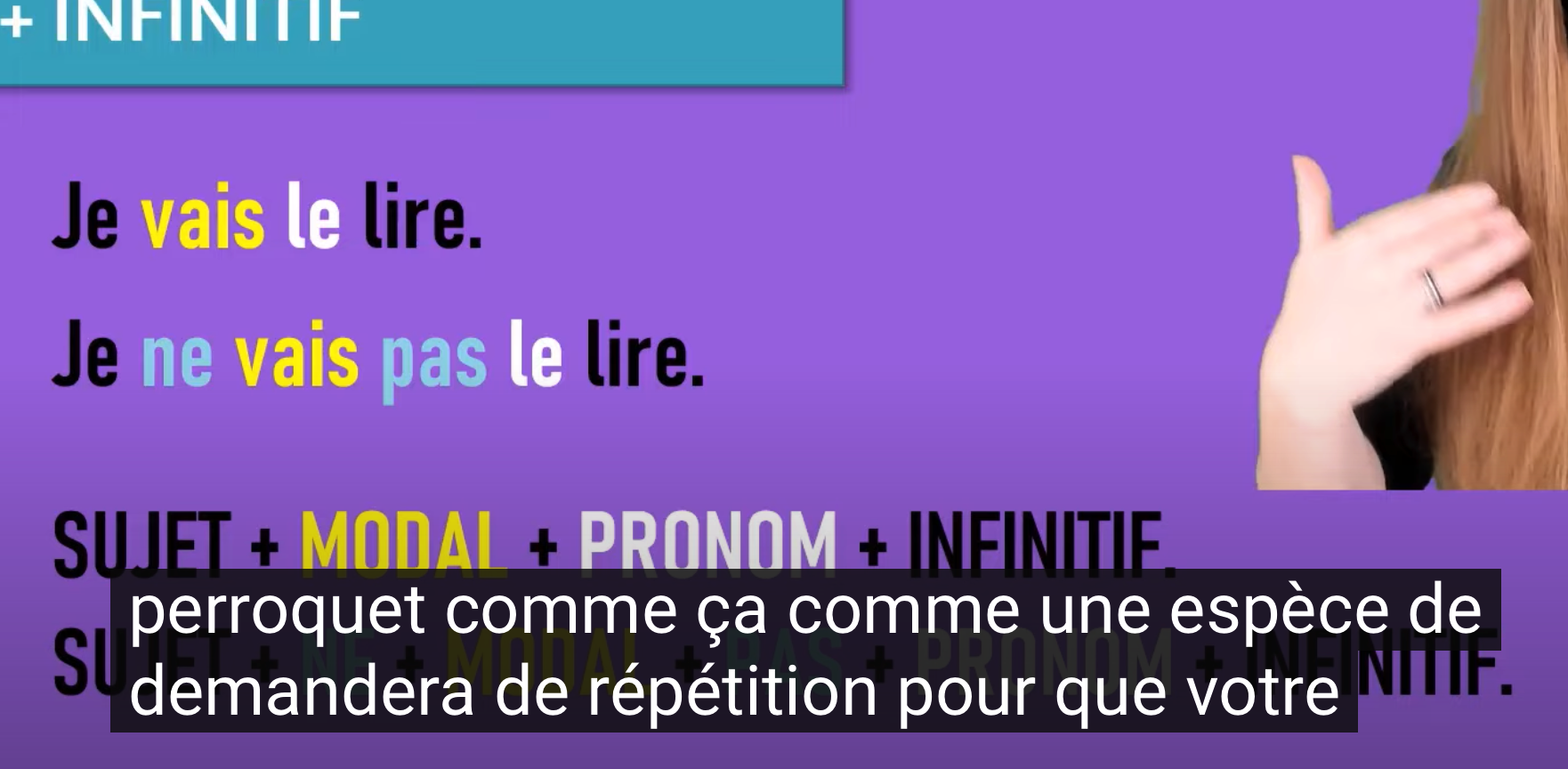
Repetition is key to learning.
To learn how to understand a piece of music, a philosopher said, you have to hear it twice.
A conductor of baroque music said you have to listen to repeated hearings before you understand it.
"How full of meaning and significance the language of music is we see from the repetition of signs, as well as from the Da capo which would be intolerable in the case of works composed in the language of words. In music, however, they are very appropriate and beneficial; for to comprehend it fully, we must hear it twice."
--Arthur Schopenhauer, "On the Metaphysics of Music"
Vienna and Schubert: 'Death and the Maiden' String Quartet - Professor Chris Hogwood CBE
"The greatest pieces of music are called classics simply because at a first hearing--that is terribly...very complicated to work out what's going on or even more complicated to explain to yourself why it's going on--even to hear it has to be heard several times. Probably after first hearing, immediately go back and hear it again, and on repeated hearings repeated things come to light."
--Christopher Hogwood
 |
 |
 |
https://www.youtube.com/watch?v=mTziL0Xwa-s timestamp 29:00 |
https://www.nytimes.com/2025/05/14/opinion/trump-ai-elementary.htmlhttps://www.newyorker.com/tag/artificial-intelligenceWhen A.I. Can Make a Movie, What Does “Video” Even Mean?
Hua Hsu, What Happens After A.I. Destroys College Writing?
The demise of the English paper will end a long intellectual tradition, but it’s also an opportunity to reëxamine the purpose of higher education.
June 30, 2025
1976-04-00 STAMP ART - Lomholt Mail Art Archive
PLEASE AVOID THESE KINDS OF QUESTIONS AND ANSWERS:

--Barbara Johnson quoting Roland Barthes on rereading versus reading.