I designed this course myself and am looking forward to teaching it this semester. If you have a question or a problem, please contact me in class or at [email protected]. (I am the manager.)
Email all work for the course to me at [email protected]
We are living in exceptionally stupid times.
I don't do trigger warnings. They don't work. They are based on evil and stupid assumptions about human psychology. See Pavlov's dog and B.F. Skinner's box.
You have been warned. :-)
The reason literature, film, and philosophy are so great, so deeply admired yet often controversial, even despised, is that writers are free to say anything they wish they way they want to say it, fillmakers get to show images of anything they wish, they way they want to show them, and philosophers can ask philosophical questions about anything they wish whenever they want. It's called FREEDOM OF EXPRESSION.
TENTATIVE SCHEDULE (Please expect adjustments to be made in the schedule from time to time; all changes will be announced both in class and on the class email listserv.)
Two Discussion Questions (DQs) and Three Big Words (or the shots if we're watching a film) are due every Monday and Wednesday by 5:00 p.m. unless otherwise noted.
Email them in a one word document to me at [email protected]. Send the word doc as an attachment. Do not send google docs or pdfs. I recommend you have the text or film open as you write your discussion questions.
TENTATIVE SCHEDULE (Please expect adjustments to be made in the schedule from time to time; all changes will be announced both in class and on the class email listserv.)
January 6 Introduction:
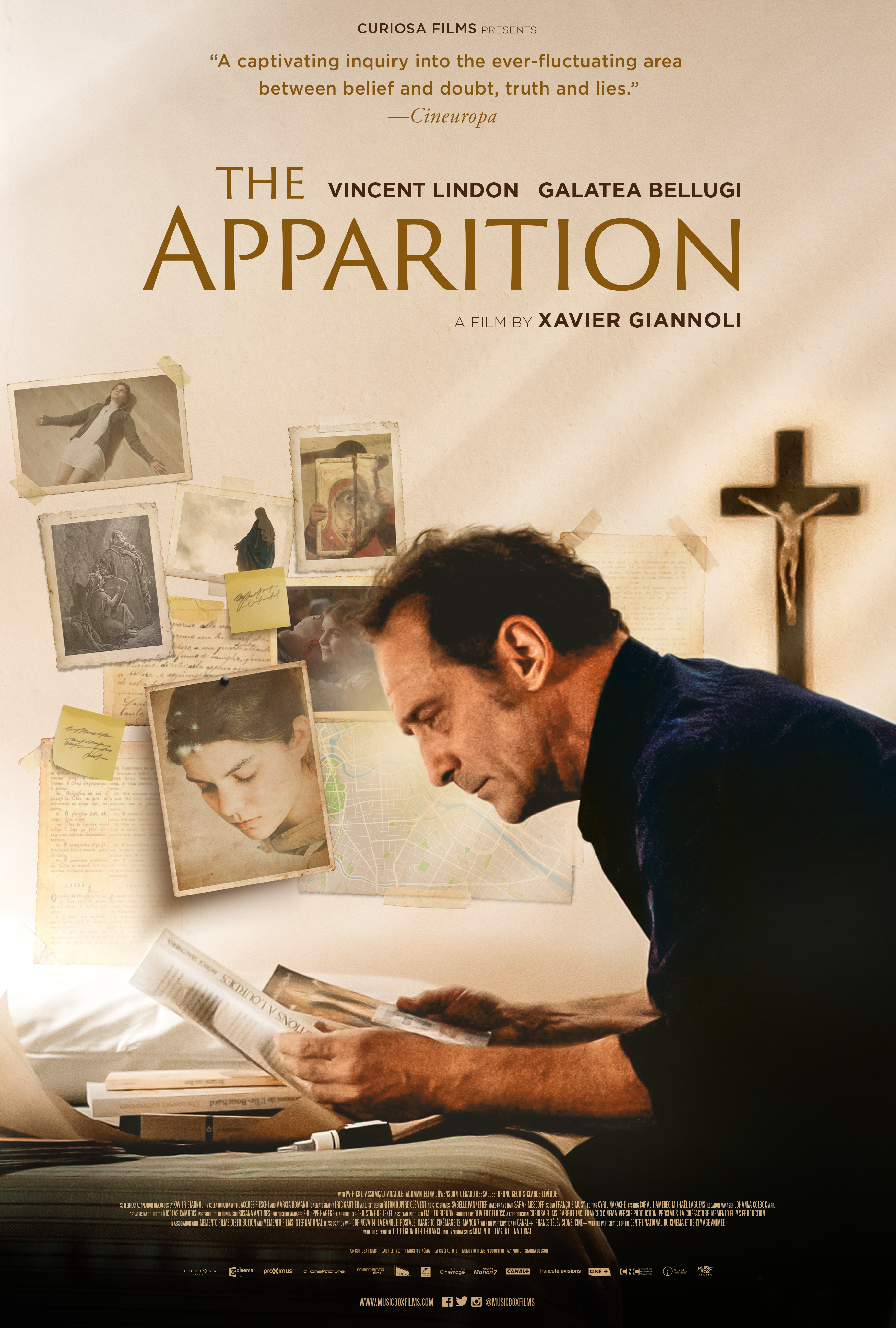
Ghosts and the resistance to reading: looking for what's not there, a structuring absence, repetition, not exposing a hoax or finding paranormal or religious activity as in The Apparition (dir. Xavier Giannoli, 2018) or Paranormal Activity (1999) or The Conjuring (dir. James Wan, 2013) or THE CONJURING: THE DEVIL MADE ME DO IT (dir. Michael Chaves, 2021) or seeing "Death" in Final Destination (dir. James Wong, 2000). We won't be watching these films or films like them. That would be for another course. :)
|
|
Jacques Derrida, Ghost Dance
Ghost Dance (1983) - Ken McMullen
Bernard Stiegler on Jacques Derrida, Hauntology, and "Ghost Dance".
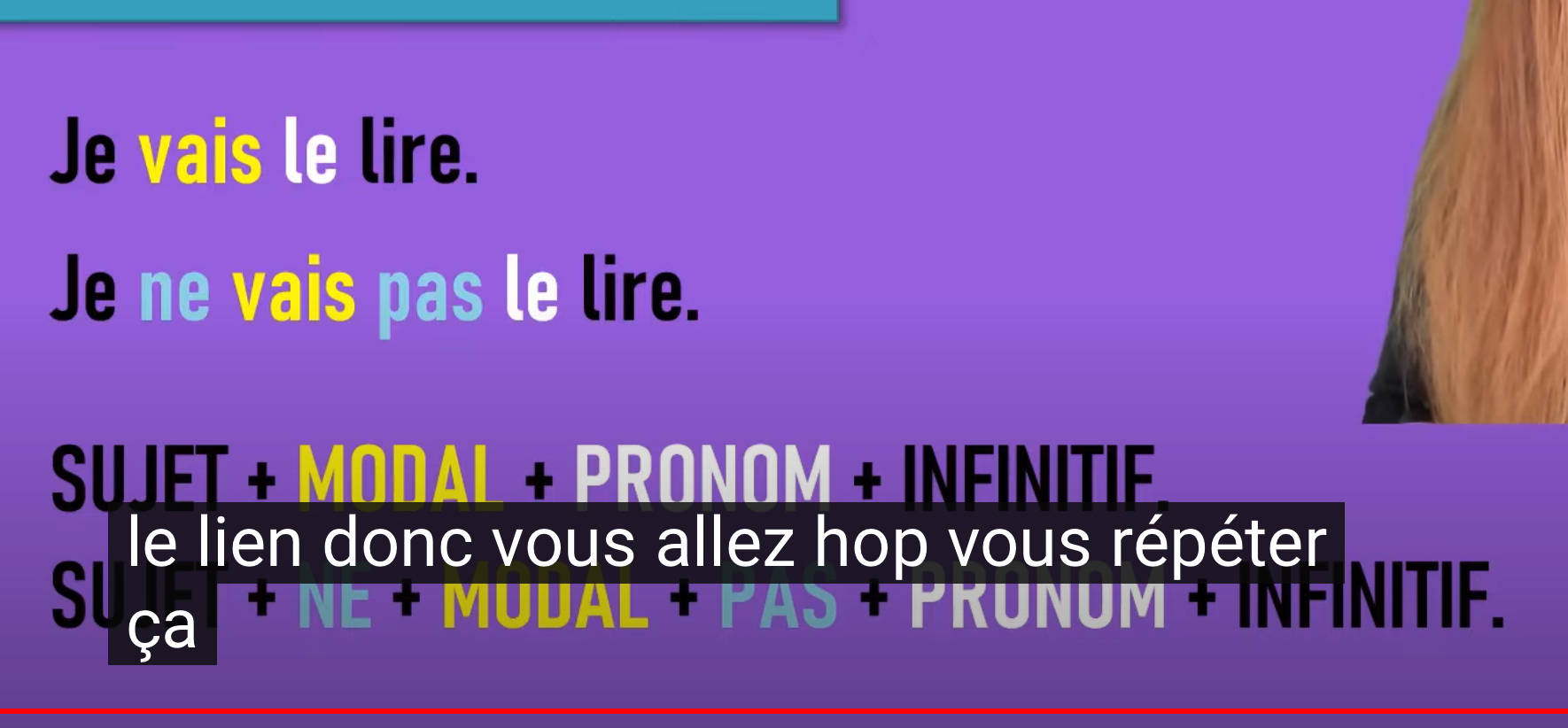
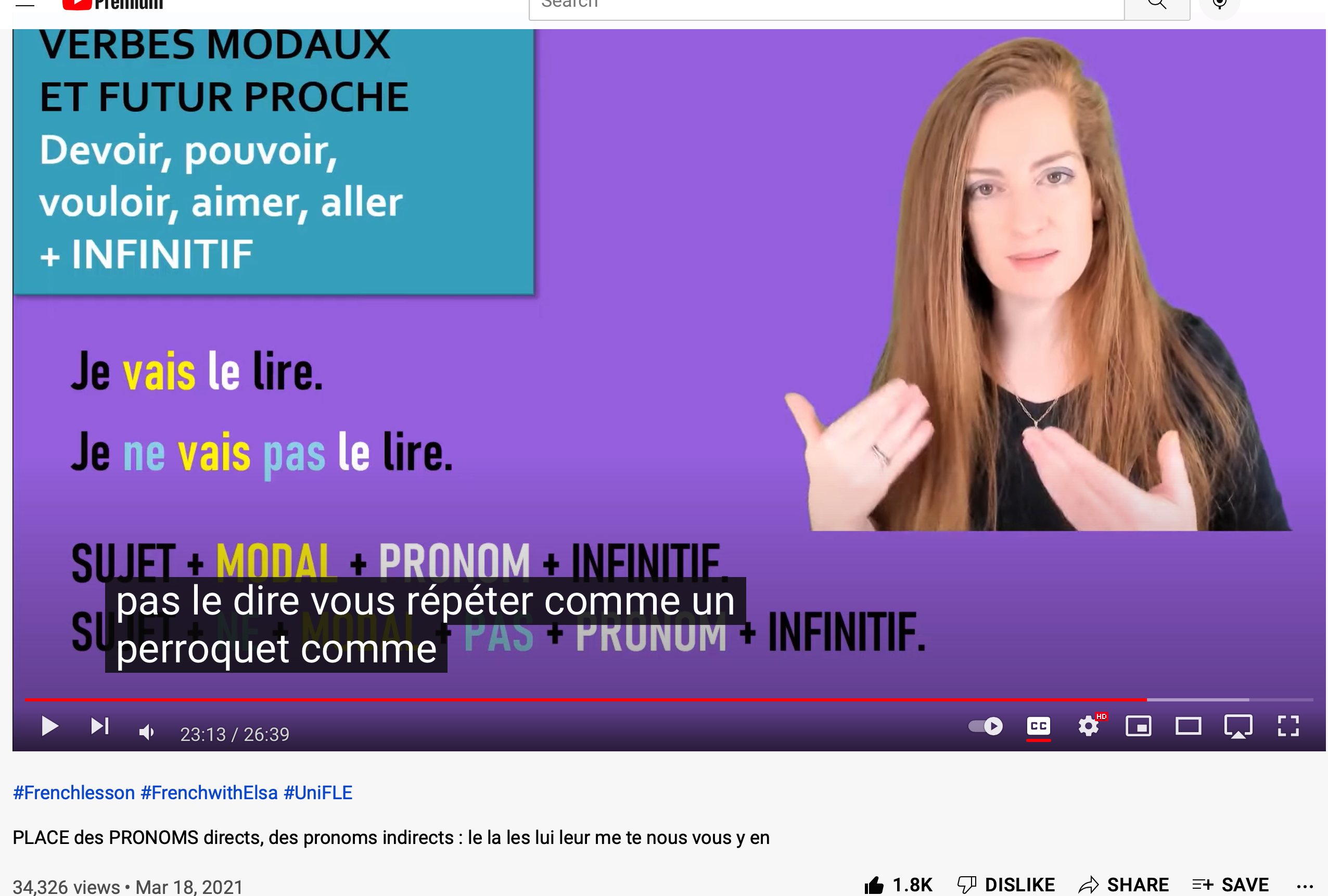
Repetition is key to learning.
To learn how to understand a piece of music, a philosopher said, you have to hear it twice.
A conductor of baroque music said you have to listen to repeated hearings before you understand it.
"How full of meaning and significance the language of music is we see from the repetition of signs, as well as from the Da capowhich would be intolerable in the case of works composed in the language of words. In music, however, they are very appropriate and beneficial; for to comprehend it fully, we must hear it twice."
--Arthur Schopenhauer, "On the Metaphysics of Music"

Vienna and Schubert: 'Death and the Maiden' String Quartet - Professor Chris Hogwood CBE
"The greatest pieces of music are called classics simply because at a first hearing--that is terribly...very complicated to work out what's going on or even more complicated to explain to yourself why it's going on--even to hear it has to be heard several times. Probably after first hearing, immediately go back and hear it again, and on repeated hearings repeated things come to light."
--Christopher Hogwood
 |
 |
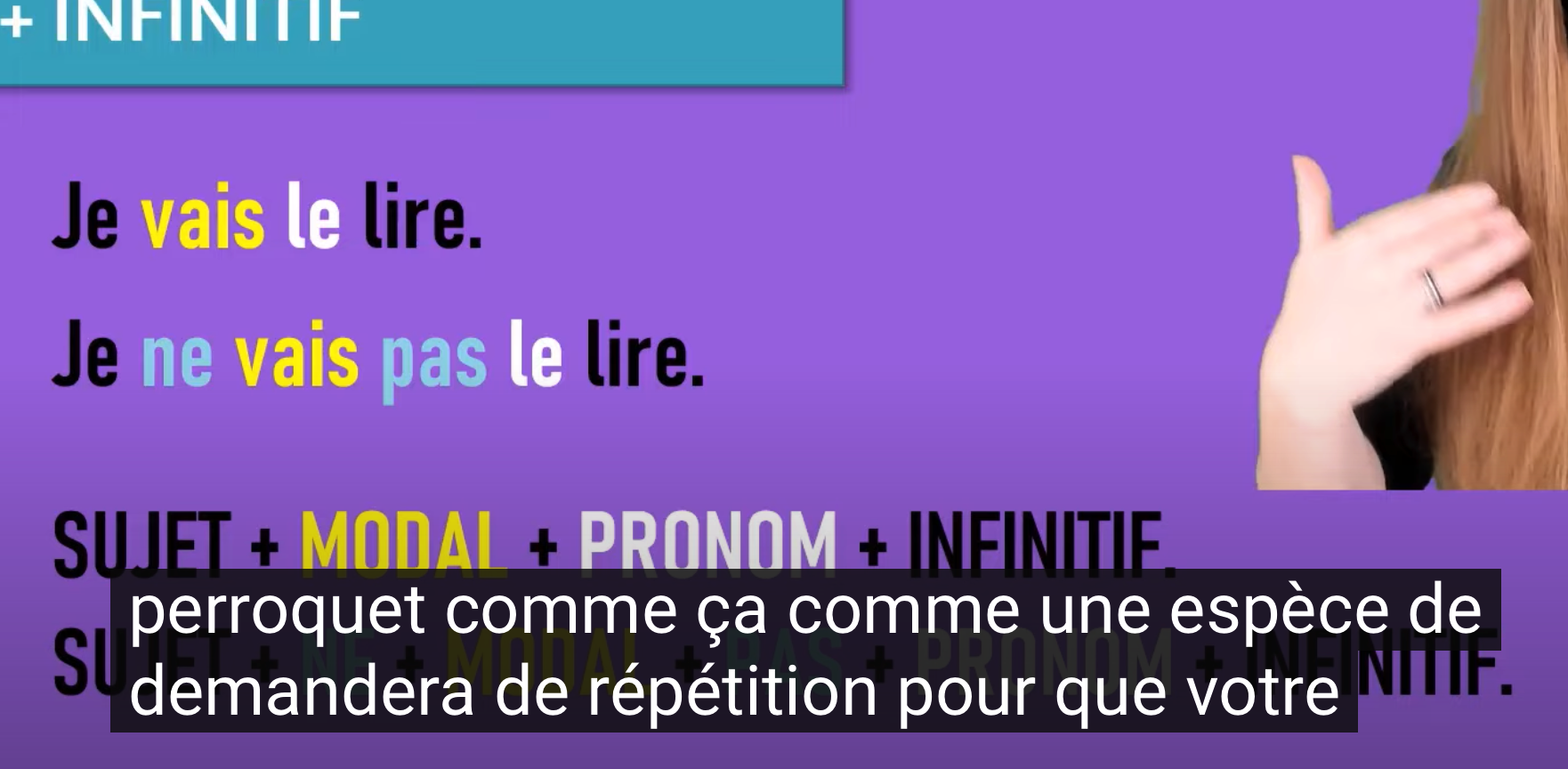 |

--Barbara Johnson quoting Roland Barthes on rereading versus reading.
All Light, Everywhere (2021)
YOUR FIRST ASSIGNMENT: DUE Monday, January 10 by 5:00 PM: IN ONE WORD DOC, EMAIL two Discussion Questions on Edith Wharton, "Preface" and "Pomegranate Seed," in Ghosts and Three Big Words to me in one word document at [email protected]. Send the word doc as an attachment. Do not send pdfs.
Send the word doc as an attachment. Do not send google documents of pdfs. I recommend you have the text or film open as you write your discussion questions.
Put your DQs and three shots to in one word document--.doc or .docx--and send the word document to me as an attachment at [email protected].. Don't send me a google doc, a pdf, or copy your document into your email. Don't forget to put your name in the upper right corner of your attached word document. Email all work for the course to me at [email protected]. I will reply to your email with a letter grade--no comments--on your discussion questions and big words or three shots. If you want to know how to improve your discussion questions, I will be happy to meet with you during office hours or by apppointment and show you how. THE BOOK IS NOT A PROMPT. IT IS THE OBJECT OF YOUR CRITICAL ATTENTION. YOU ARE TRYING TO EXPLAIN IT TO YOURSELF AND YOUR FELLOW STUDENTS. Send the word doc as an attachment. Do not send pdfs. I recommend you have the text or film open on your computer screen as you write your discussion questions.
Example of the word document format for discussion questions due Mondays by 5:00 p.m.:
Your name in the upper left corner.
1. (Give the page number(s) or quote enough of the text for us to be able to find the passage you are discussing)
2. (Give the page number(s) or quote enough of the text for us to be able to find the passage you are discussing)
Three Big Words (on each assigned reading)
a. Write down the word and give the definition. Cut and paste the sentence where the word is used.
b. Write down the word and give the definition. Cut and paste the sentence where the word is used.
NOTE: Your discussion questions are limited to the texts and films. Do not use them as prompts to talk about something else. Ask about the formal structures of the texts and films, not about the author or historical context. Do not ask speculative questions. They cannot be answered and so are not productive for discussion.
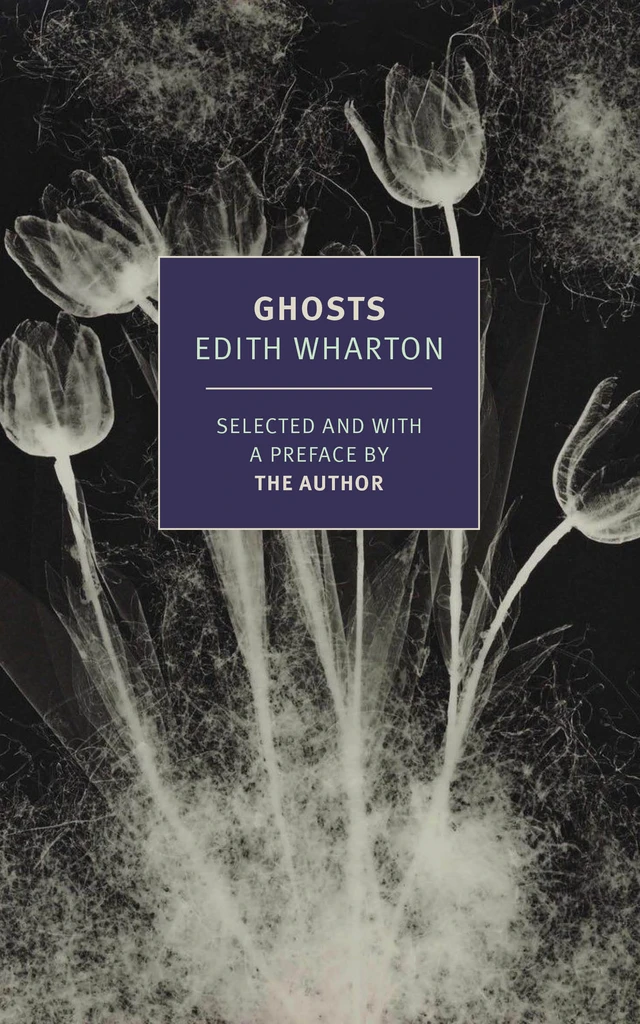
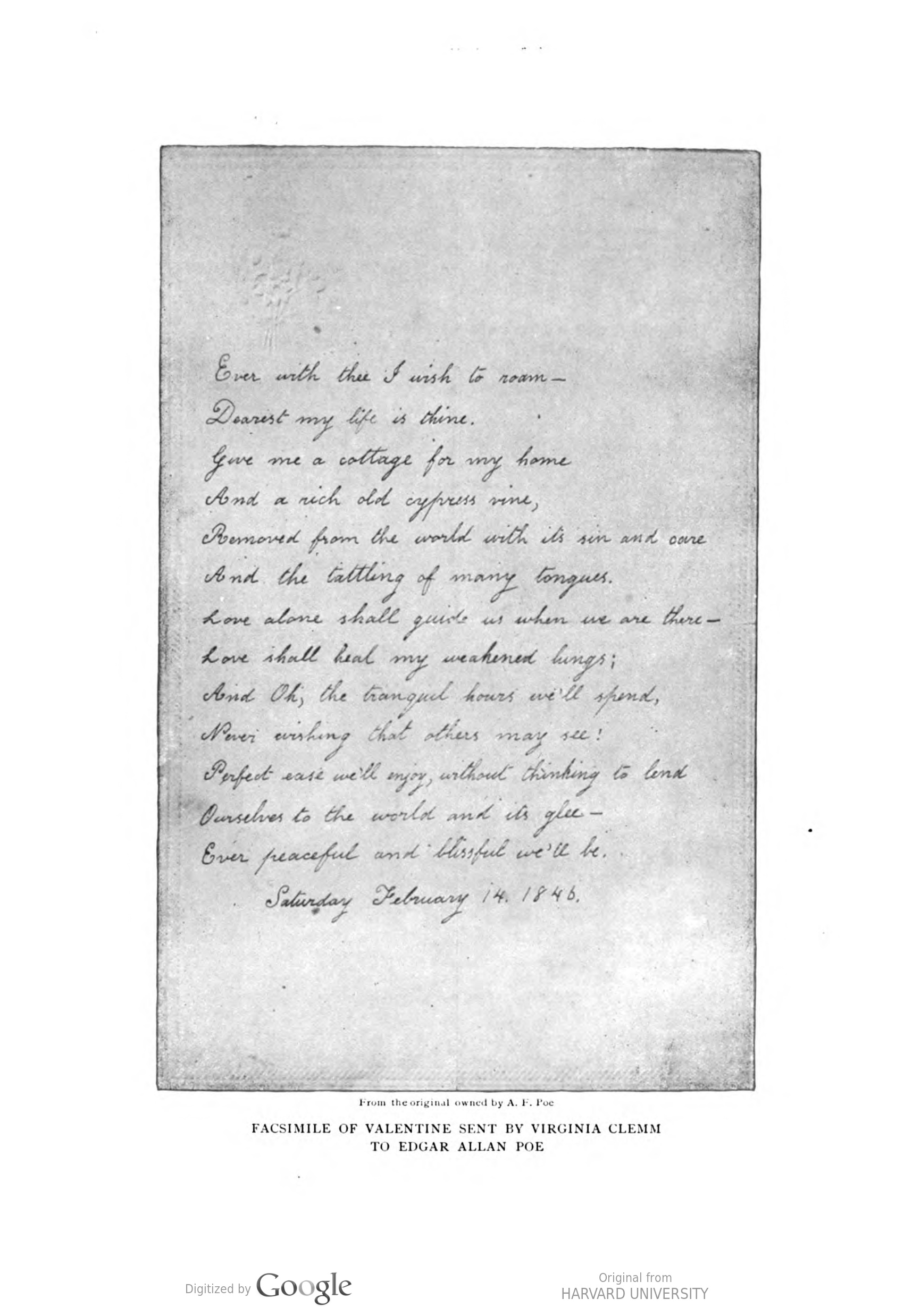
January 11 When you can't read the handwritingEdith Wharton, "Preface" and "Pomegranate Seed," in Ghosts
DUE January 12 by 5:00 PM: DUE January 12 by 5:00 PM: IN ONE WORD DOC, Two Discussion Questions and Three shots with three film analysis terms on A Ghost Story (dir. David Lowery, 2017). Email your doument to [email protected]. Send the word doc as an attachment. Do not send pdfs.
Your word document will look like this:
Your name here (in the upper left corner)
1. (with timestamps of the shots you are discussing)
2. (with timestamps of the shots you are discussing)
a. (descriptions with timestamps)
b. (descriptions with timestamps)
c. (descriptions with timestamps)
January 13

Virginia Woolf, "Henry James's Ghost Stories"
Recommended Readings:
Virginia Woolf, "The Cinema"
Virginia Woolf, "A Haunted House"
Fitz-James O'Brien, " What Was It?" in Famous Modern Ghost Stories, by Various, Edited by Emily Dorothy Scarborough
Marion Crawford, "The Upper Berth"
Robert Louis Stevenson, "Thrawn Janet" and "Markheim"
DUE January 17 by 5:00 PM: : IN ONE WORD DOC, EMAIL two Discussion Questions on Edgar Allan Poe's "The Man of the Crowd" and Three Big Words and email your doument to [email protected]. Send the word doc as an attachment. Do not send gogle docs or pdfs.
January 18 "It doesn't let itself be read"
"Es lässt sich nicht lesen”:
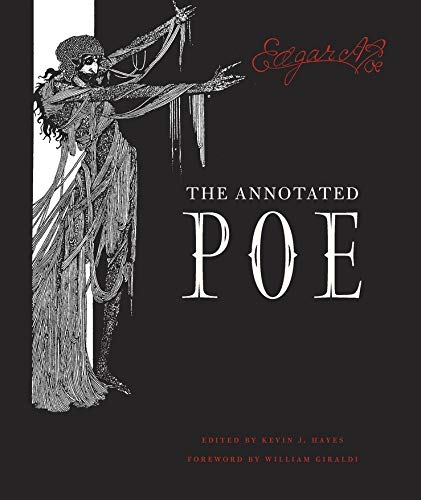
Edgar Allan Poe, "The Man of the Crowd"
Recommended Readings:
Walter Benjamin on Poe and Charles Baudelaire in "On Some Motifs in Baudelaire" and translating "À une passante" (pp. 223-24) and "Le Créspucle du soir"( pp. 324-27; p. 349n17)
Experience: Description, Image, Memory
How Electricity Transformed Paris and Its Artists, from Manet to Degas
"This change of weather had an odd effect upon the crowd, the whole of which was
at once put into new commotion, and overshadowed by a world of umbrellas."
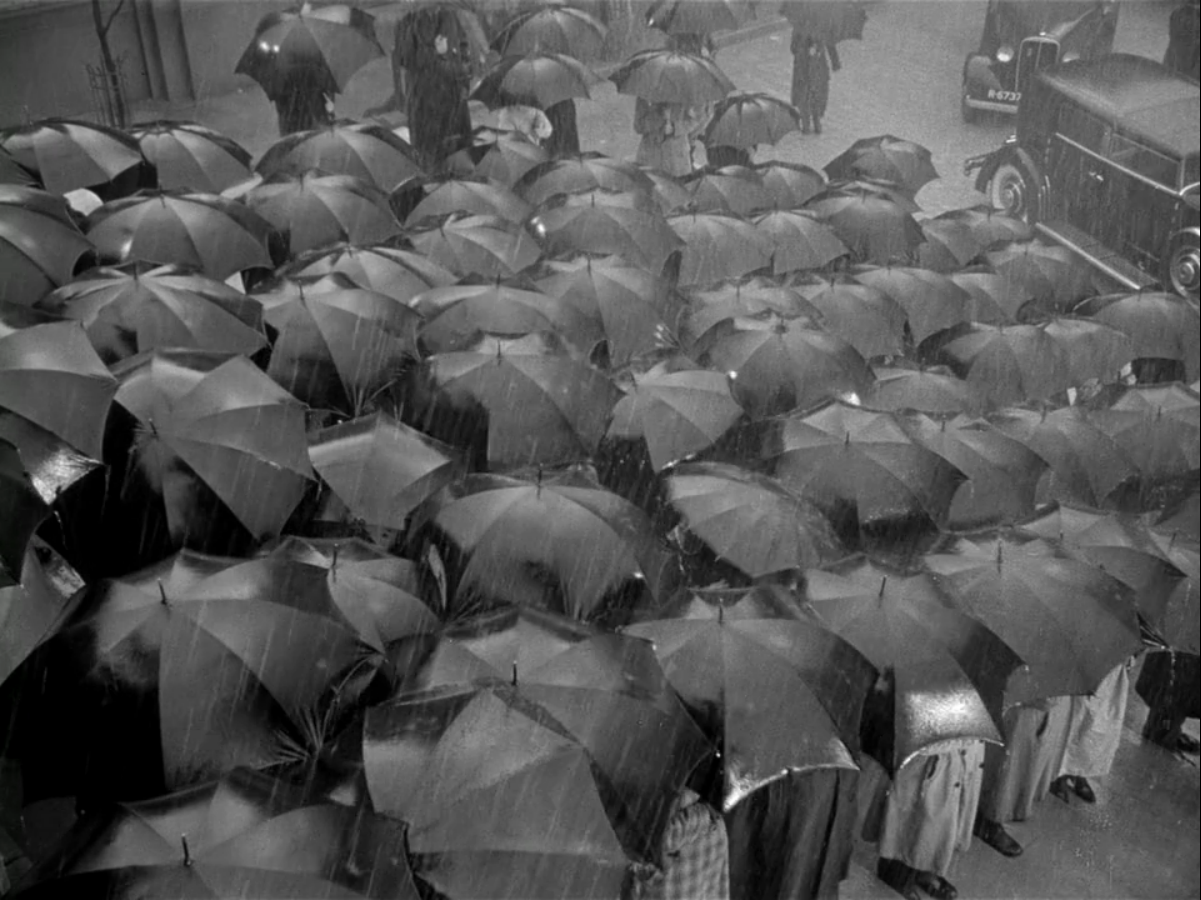
Foreign Correspondent (dir. Alfred Hitchcock, 1940)
DUE JANUARY 19 BY 5 P.M.: Write two DQs on Henry James, The Turn of the Screw and Three Big Words and email your doument to me to [email protected]. Send the word doc as an attachment. Do not send google docs pdfs.
I will no longer post due dates for DQs and Three Big Words. You know the drill.
January 20 How do you know where to stop (re)reading? The Truth on Trial: Narrative Framing (1)
REQUIRED READING:
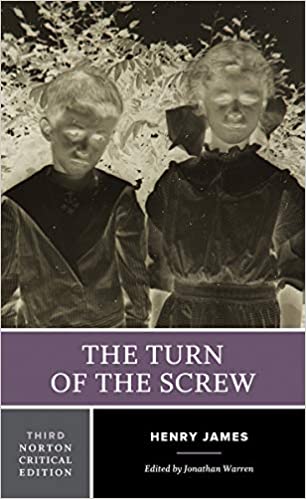
Henry James, The Turn of the Screw, Prologue and Chapters 1-VII (including chapter VII)
I recommend all of the editions below. Any one of them will do.
Henry James, The Turn of the Screw and Other Ghost Stories (Penguin) Philip Horne (Ed)
Henry James, The Turn of the Screw and Other Stories (Oxford World's Classics) T. J. Lustig (Ed)
Henry James, The Turn of the Screw (Norton Critical Editions) Jonathan Warren (Ed)
To sign up to co-lead class, go to this google doc. Do not co-lead with the same person twice and co-lead at least four weeks after the first time you co-lead.
Once you have a partner to co-lead class discussion, create a google doc for your notes and share it with me by 5:00 p.m. the day before you are co-leading so I can add my thoughts. Make sure you allow me to edit the document.
FIRST PAPER DUE Junuary 31 by 11:50 p.m.
January 27
REQUIRED READINGS: (Write one DQ on each reading)
Henry James, The Turn of the Screw, Chapter VIII-XIV (including Chapter XIV)
January 29 Ghost-seer? or Sexually Repressed Governess?
REQUIRED READINGS: (Write one DQ on each reading)
1. Henry James, The Turn of the Screw, Chapter XV to the end of the story
2. The Preface to Vol. 12 of the New York Edition (1908)
Recommended Reading:
Edmund Wilson, "The Ambiguity of Henry James,"in The Triple Thinkers (1948); revised version of a longer article originally published in Hound and Horn, VII, 385-406 (April-June, I933-34), 385-406.
Robert B. Heilman, "The Freudian Reading of The Turn of the Screw," Modern Language Notes Vol. 62 November, 1947, pp. 433-445.
Edmund Wilson, "The Ambiguity of Henry James," Hound and Horn, VII, 385-406 (April-June, I933-34): 385-406.
Robert B. Heilman, "The Turn of the Screw as Poem," University of Kansas City Review 14 (1948): 277–89.
Harold C. Goddard, "A Pre-Freudian Reading of The Turn of the Screw," Nineteenth-Century Fiction 12 (1957): 1–36.
Maurice Blanchot, "The Turn of the Screw," in The Book to Come, pp. 126-33.
Susan Crowl, "Aesthetic Allegory in The Turn of the Screw," Novel: A Forum on Fiction 4 (1971): 107-122.
"The 'frame' shows us through its incompleteness that there is no easy recourse an author, whether implied or real, just as for the governess herself there is to be no recourse to master, her employer."
--William R. Goetz, "The 'Frame' of The Turn of the Screw: Framing the Reader," Studies in Short Fiction 18.1 (1981): 71-7; 73.
Christine Brooke-Rose, The Rhetoric of the Unreal: Studies in Narrative and Structure, Especially of the Fantastic (1982) pt. 3. The pure fantastic: types of analysis: The encoded reader --
The Turn of the Screw and its critics: an essay in non-methodology --
The Turn of the Screw: mirror structures as basic structures --
The surface structures in The Turn of the Screw --
John Carlos Rowe, "Pyschoanalytical Significance: the Use and Abuse ofUncertainty in The Turn of the Screw," in The Theoretical Dimensions of Henry James (Univ. of Wisconsin, 1984): 120-46.
Darrel Mansell, "The Ghost of Language in The Turn of the Screw," Modern Language Quarterly: A Journal of Literary History 46.1 (1985): 48-63.
February 1
REQUIRED READING: DiFFerENT AssiIGnMenT: Imagine you are an editor who is going to republish Shoshana Felman's essay but you have to cut around sixty pages of it. So you begin by cutting entire sections of the essay in order to remove close to sixty pages. In place of DQs, answer this question: Which sections would you could cut and why?
Shoshana Felman, "Turning the Screw of Interpretation," Yale French Studies No. 55 / 56, Literature and Psychoanalysis. The Question of Reading: Otherwise (1977), pp. 94-207.
NOTE: Felman's justly celebrated essay was retitled and republished as "Henry James: Madness and the Risk of Practice [Turning the Screw of Interpretation]," 141-250 in Writing and Madness (literature/philosophy/psychoanalysis) (1985); republished with an "updated" new preface in 2003) after first appearing in the same book written in French, La Folie et la chose littéraire (1978) as "Henry James: Folie et Interpretation," 237-346; revised and republished in a shorter version in a book edited by Felman, Literature and Psychoanalysis: The Question of Reading: Otherwise (1985), 94-207; abridged in excerpts and republished as "Turning the Screw of Interpretation," in Henry James, The Turn of the Screw (Norton Critical Editions, 2021) Jonathan Warren (Ed), pp. 215-30.
Recommended: the Publiction History of James' Story (quoted from wikisource):
"The Turn of the Screw" in Collier's Weekly (January 27–April 16, 1898)
DUE February 2
IN ONE WORD DOC, EMAIL two Film Discussion Questions (DQs) and Three shots with three film analysis terms to [email protected] Send the word doc as an attachment. Do not send pdfs. I recommend you have the text or film open on your computer screen as you write your discussion questions.
Your word document will look like this:
Your name here (in the upper left corner of the document)
1. (with timestamps of the shots you are discussing)
2. (with timestamps of the shots you are discussing)
a. (descriptions with timestamps)
b. (descriptions with timestamps)
c. (descriptions with timestamps)
FIRST PAPER DUE February 5 by 11:50 p.m.
February 3
REQUIRED VIEWING:
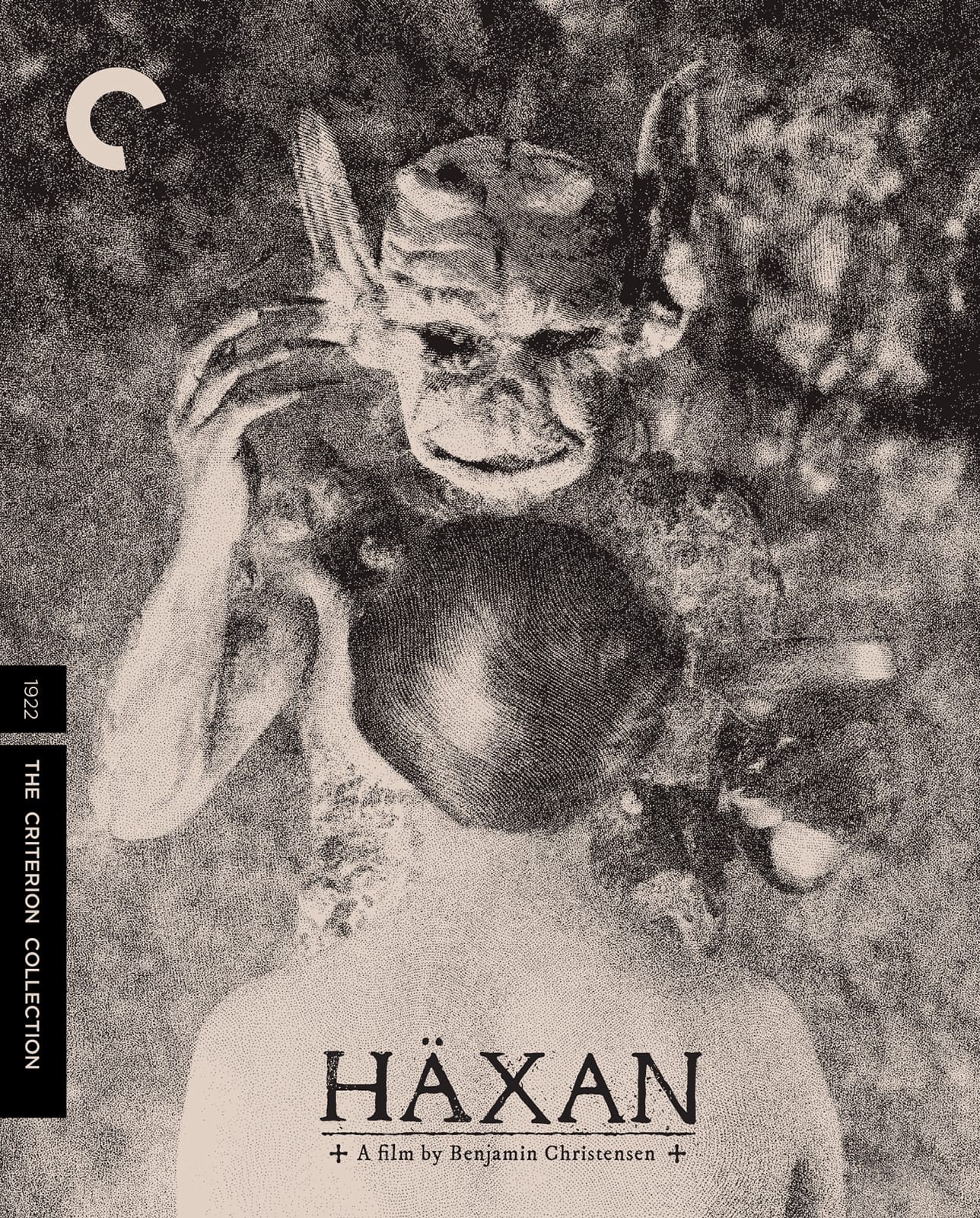
Häxan (dir. Benjamin Christensen, 1922)
FIRST PAPER DUE February 5 by 11:50 p.m.
February 8 Did I dream that?
REQUIRED READING:
Wilhelm Jensen, Gradiva, pp. 1-54
February 10
REQUIRED READING:
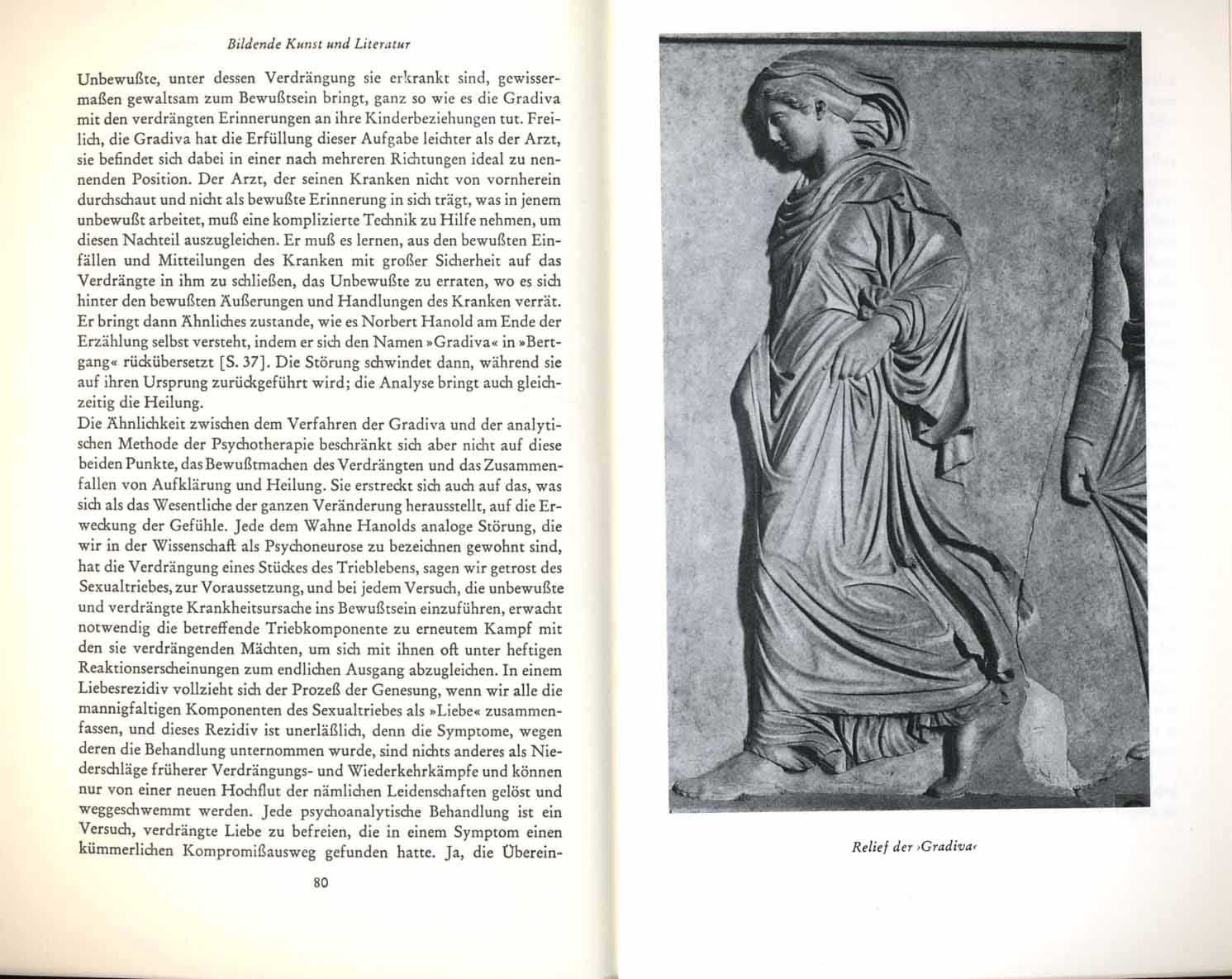
Sigmund Freud, Delusion and Dream An Interpretation in the Light of Psychoanalysis of Gradiva, Part I
February 15
Sigmund Freud, Delusion and Dream An Interpretation in the Light of Psychoanalysis of Gradiva, Part II
Recommended Reading:
Radical misreading of Freud's essay by Marianna Torgovnick in Gone Primitive: Savage Intellects, Modern Lives, p. 208. The basis of her criticism of Freud is her misspelling of "Gradiva" as "Gravida."
February 17 Narrative Framing (2) / How to Reread: The Missing Part
REQUIRED READING:
Honore de Balzac, Sarrasine, in Roland Barthes, S/Z, pp. 222-54

Anne-Louis Girodet, Endymion : Effet de lune, ou Le Sommeil d’Endymion
The Sleep of Endymion
Recommended Reading:
Alexandra K. Wettlauffer, "Girodet/Endymion/Balzac: Representation and Rivalry in Post-Revolutionary France,"
Word & Image A Journal of Verbal/Visual Enquiry Volume 17, 2001 - Issue 4
February 22 The "Castrated" Text
REQUIRED READING:
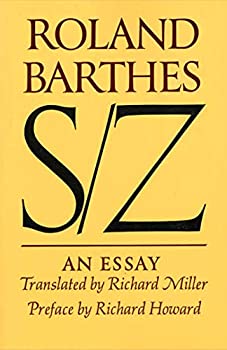
Roland Barthes, S/Z, pp. 3-69
February 24 "Castrated" Reading
REQUIRED READING:
Roland Barthes, S/Z, pp. 69-131
March 1
Roland Barthes, S/Z, pp. 131-190
Recommended Reading:
Diana Knight, Balzac and the Model of Painting: Artist Stories in La Comédie humaine (2007)
Barbara Johnson, "The Critical Difference: BartheS/BalZac,” in Diacritics 8, no. 2: 2–9. 1978.
March 3
REQUIRED READING:
Roland Barthes, S/Z, pp. 190-217; 255-71
SECOND PAPER DUE March 4 by 11:50
March 8 Narrative Framing (3): the Haunted Text
REQUIRED READING (All of these editions are good):
Emily Brontë, Wuthering Heights Volume 1, Chapters 1-VII
Emily Brontë, Wuthering Heights (Norton Critical Editions), Alexandra Lewis (Editor)
Emily Brontë, Wuthering Heights (Oxford World's Classics) Helen Small, Ian Jack (Editor)
Emily Brontë, The Annotated Wuthering Heights, Janet Gezari (Editor)
Emily Brontë, Wuthering Heights, Pauline Nestor (Editor) Lucasta Miller (Preface)
Emily Brontë, Wuthering Heights (Oxford World's Classics) John Bugg (Editor)


Recommended Viewing:
Jane Austen vs Emily Brontë: The Queens of English Literature Debate with Dominic West
March 10
REQUIRED READING:
Emily Brontë, Wuthering Heights Volume 1, Chapters VIII-XII
March 15
REQUIRED READING:
Emily Brontë, Wuthering Heights Volume 1, Chapter XIII-Volume 2, Chapter II
March 17
REQUIRED READING:
Emily Brontë, Wuthering Heights Volume 2, Chapters III-VII
March 2
REQUIRED READING:
Emily Brontë, Wuthering Heights Volume 2, Chapters VIII-XIV
March 24
REQUIRED READING:
Emily Brontë, Wuthering Heights Volume 2, Chapters XV-to the end and "Biographical Notice of Ellis and Acton Bell" and "Edior's Preface for the New Edition of Wuthering Heights."
A Digital Facsimile of the 1850 edition of Wuthering Heights, edited by Charlotte Brontë.
March 27:
REQUIRED READING:
Nathaniel Hawthorne, "Wakefield"
Recommended:
Walter Benjamin, "On Some Motifs in Baudelaire, and translating "A une passante"
SECOND PAPER DUE by 11:59 p.m.
March 29
REQUIRED VIEWING:
Vertigo (dir. Alfred Hitchock, 1958)
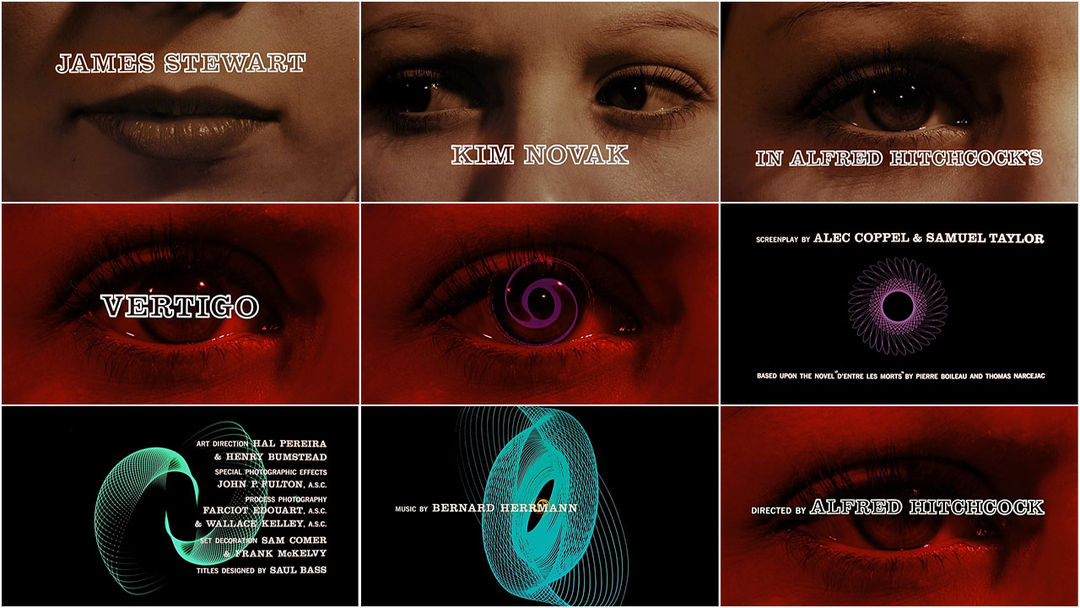
Recommended Viewing:
Under the Sand (dir. François Ozon, 2000)
April 5
REQUIRED READING:
Herman Melville, "The Apple Tree Table or Original Spiritual Manifestations"
REQUIRED READING:
Seridan Le Fanu, "A Moment in the Life of Schalken the Painter"
REQUIRED READING:
Seridan Le Fanu, "A Moment in the Life of Schalken the Painter"
REQUIRED VIEWING:
Schalcken the Painter BBC Film (dir. Leslie Megahey, 1979)

THIRD PAPER DUE April 18 11:59 p.m.
Nothing below is required for this course:
Sound Effects--Ticking--Bugging
John Buchan The Unknown Masterpiece
Giselle The Uknown Masterpiece Man in the Crowd
Carlo Ginzburg, Jacques Lacan, and Jacques Derrida
Conan Doyle Sherlock Holmes Speckled Band
Conan Doyle Gothic Tales
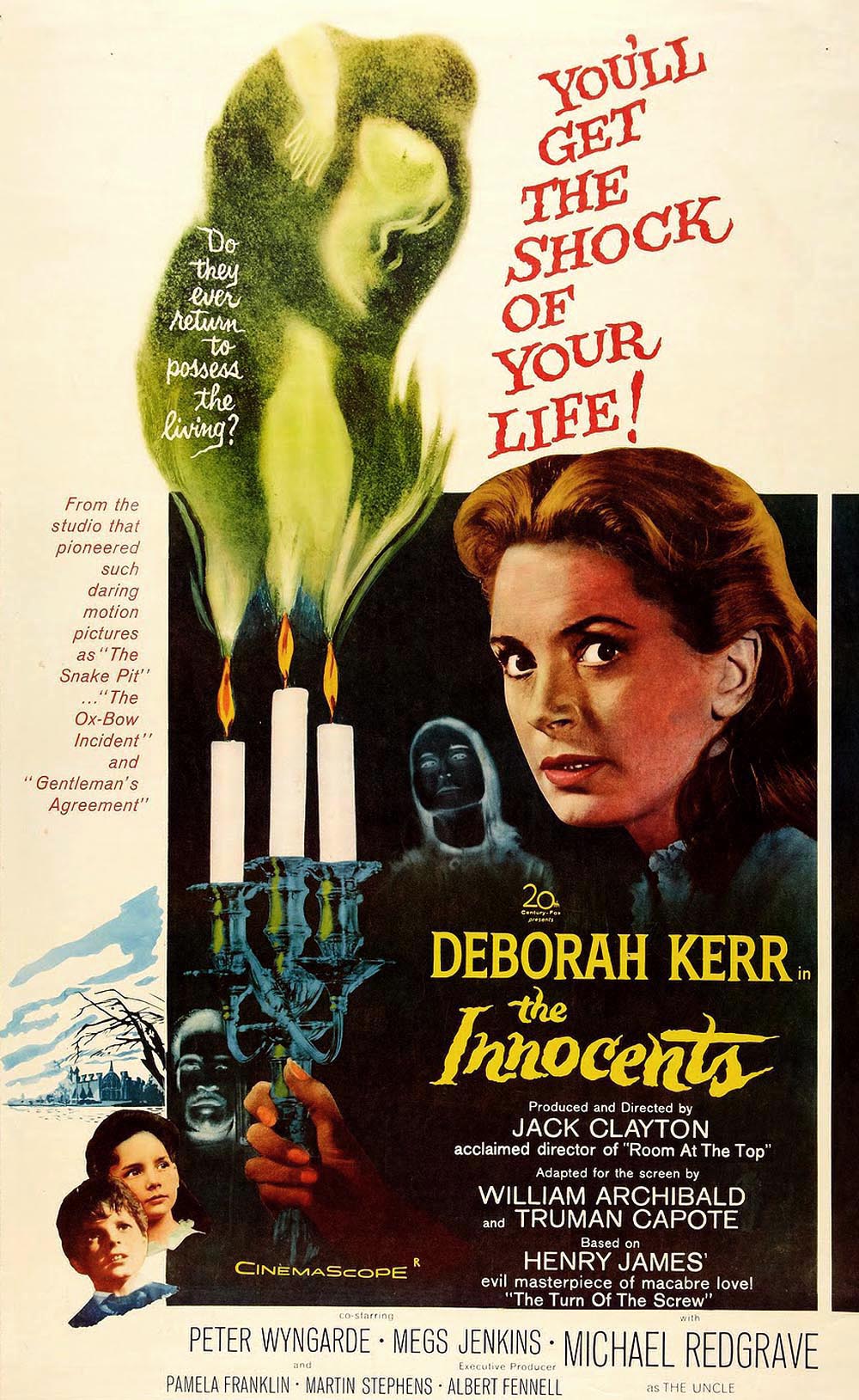
M.R. James, "Casting the Runes"
Night of the Demon (dir. Jacques Tourneur, 1957)
M.R. James, "Oh, Whistle and I'll Come to You, My Lad"
M.R. James, Whistle and I'll Come to You (dir. Jonathan Miller, 1968)
Ghost stories James, Henry, 1843-1916
recommended:
Start with not reading--the letters in and the notes in A Ghost Story
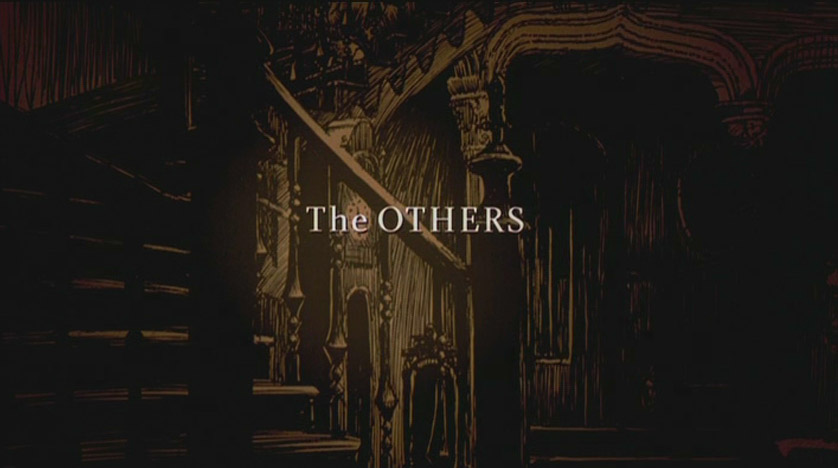
The Others
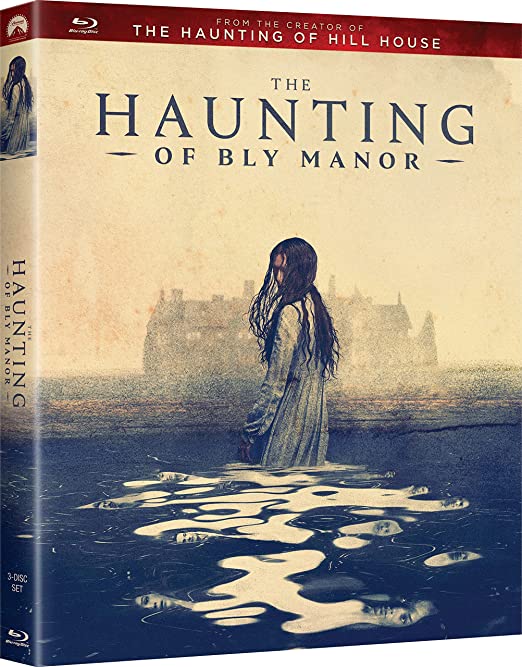
The Haunting of Bly Manor
The romance of certain old clothes -- the ghostly rental -- Sir Edmund Orme -- The private life -- Owen Wingrave -The friends of the friends -- The turn of the screw -- The real right thing -- The Third Person -The Jolly Corner

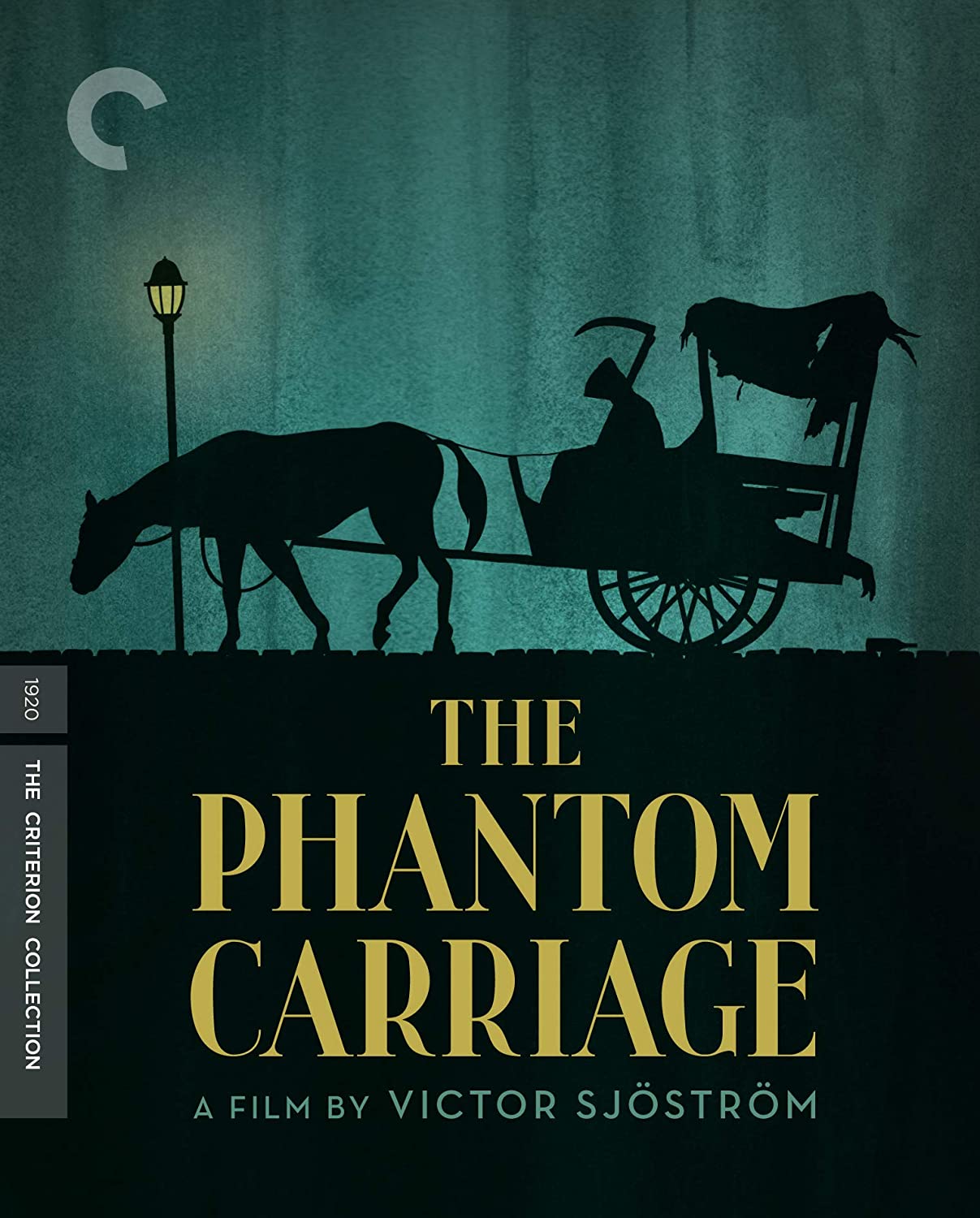
A Ghost Story (what we see and what we don't)The Phantom Carriage both soundtracks)
A Month in the Country (the woman--love interest--is gone at the end)
"The Jolly Corner", contrast to Wakefield
Madam Crowl's ghost : and other tales of mystery
Martin Heidegger, What Is Called Thinking?
The Agenda with Steve Paikin, "How Much Free Speech do Canadians Want?"
The hoax: academic writing as conceptual poem without telling the reader.
Caravaggio (Michelangelo Merisi) | "The Musicians" | The Metropolitan Museum of Art.pdf
Recovering Lost Fictions / Caravaggio's Musicians | MIT List Visual Arts Center.pdf
Slavoj Žižek on "They Live" (The Pervert's Guide to Ideology)
Vance Packard, The Hidden Persuaders (the paranoid close reading)
100 Examples of "Pareidolia" - Seeing Faces in Everyday Objects
