Pre-production Storyboards by Ridley Scott.
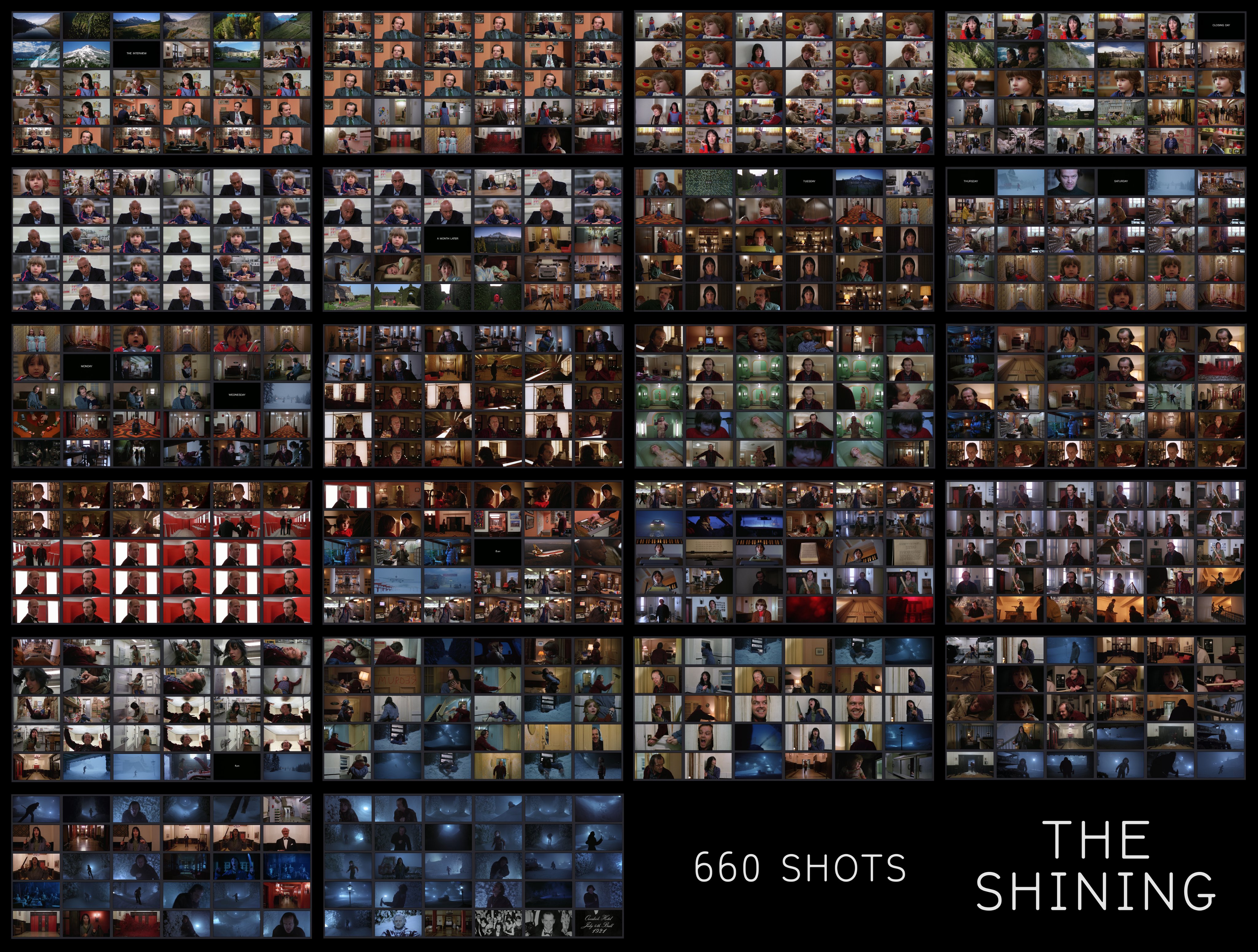
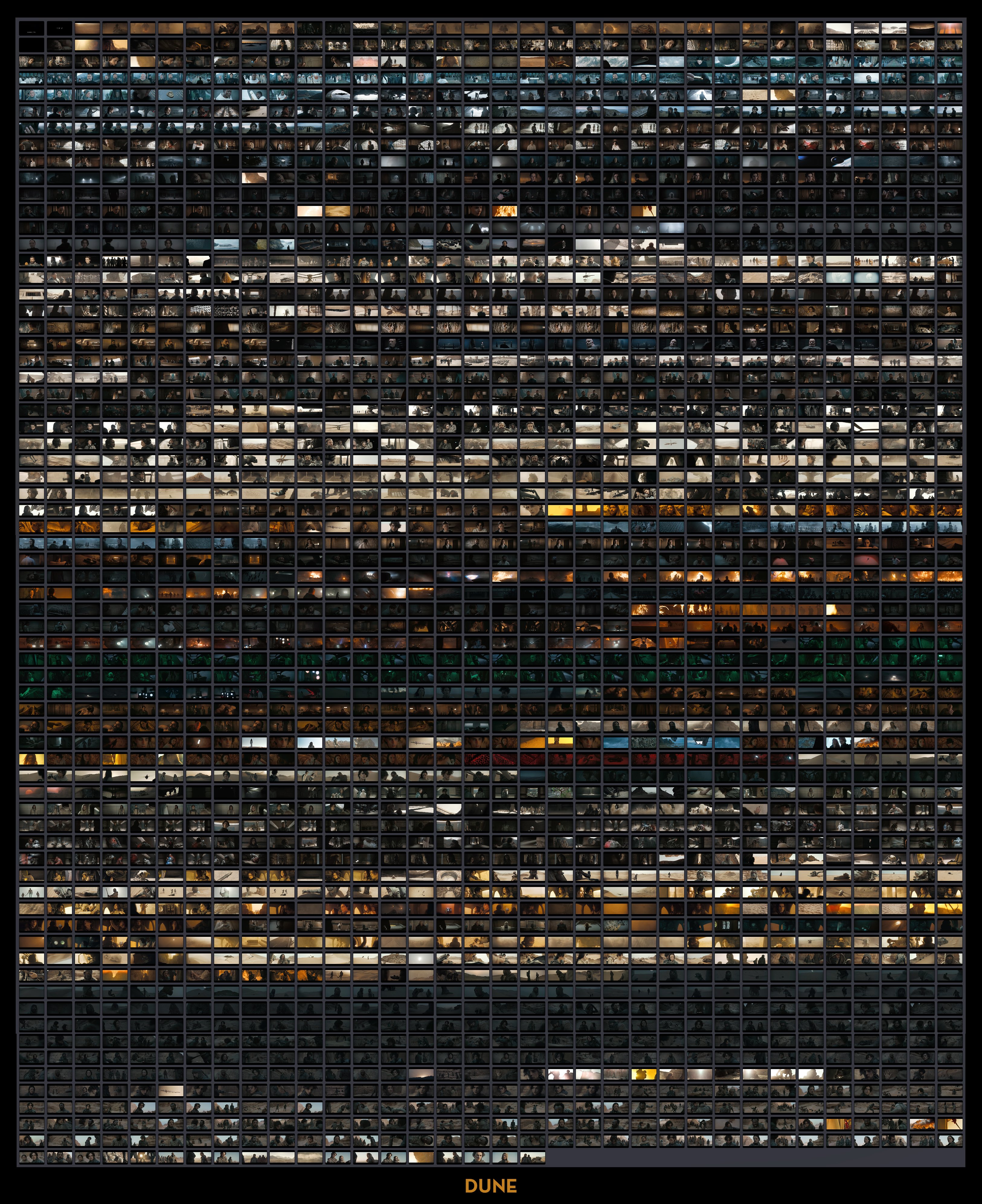
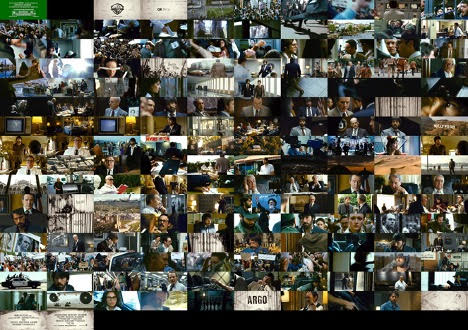
Post-production Maps of Every Shot in the films and opening title sequences shot by shot.
The Shining
Dune (dir. Daniel Villeneuve)
Argo (dir. , ) Argo (dir. 2012)
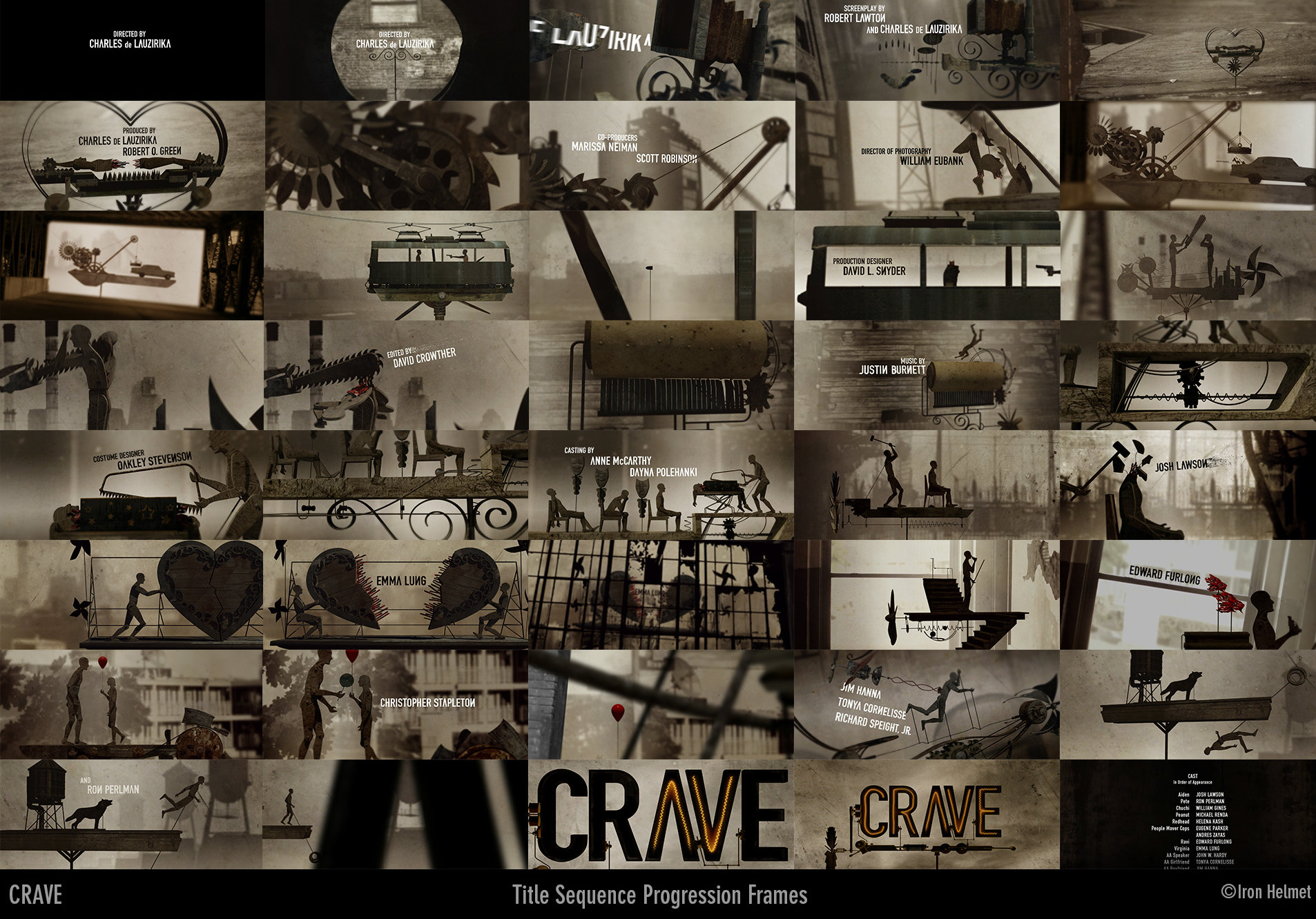
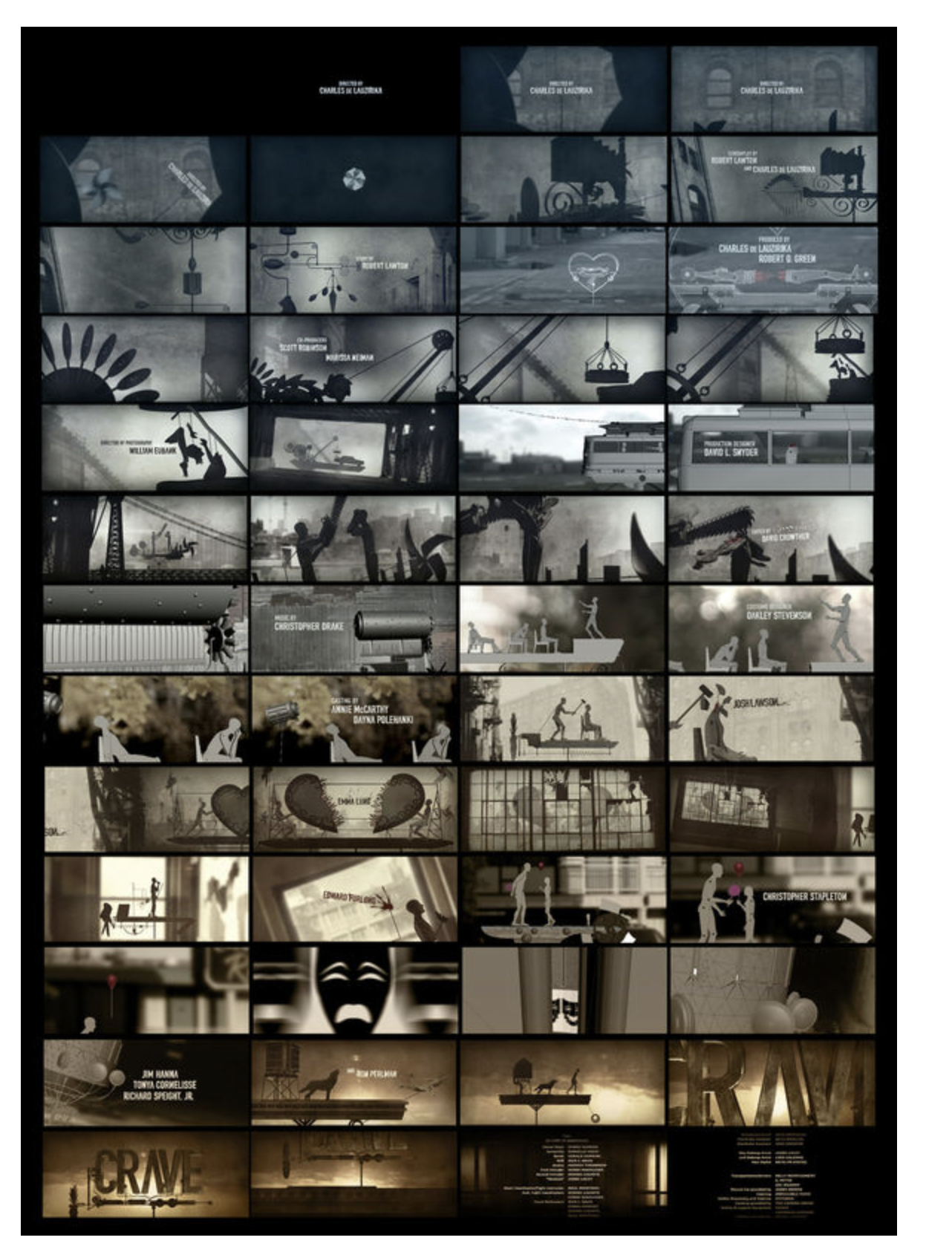
End title Sequences from Crave (more or less complete)
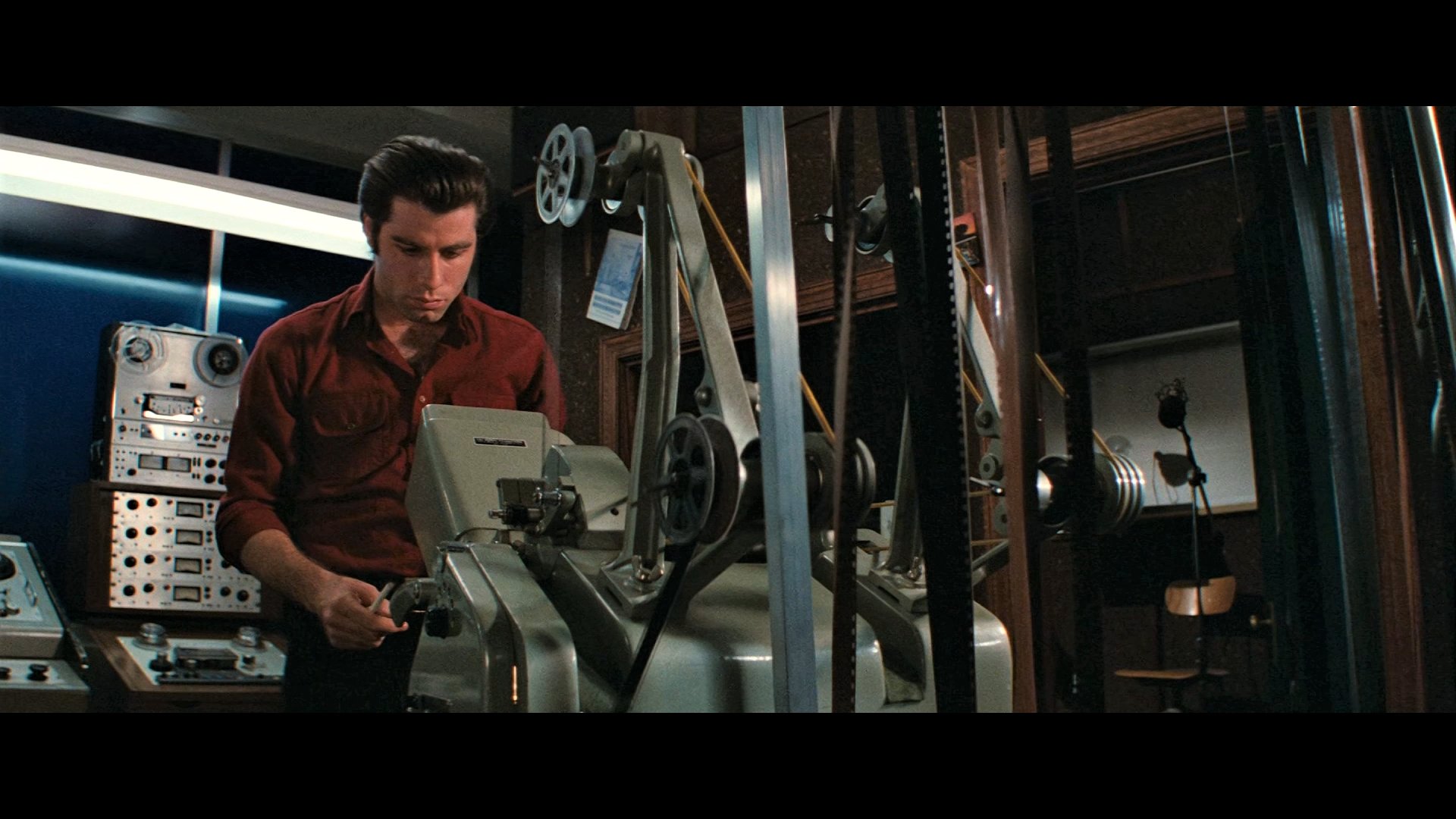
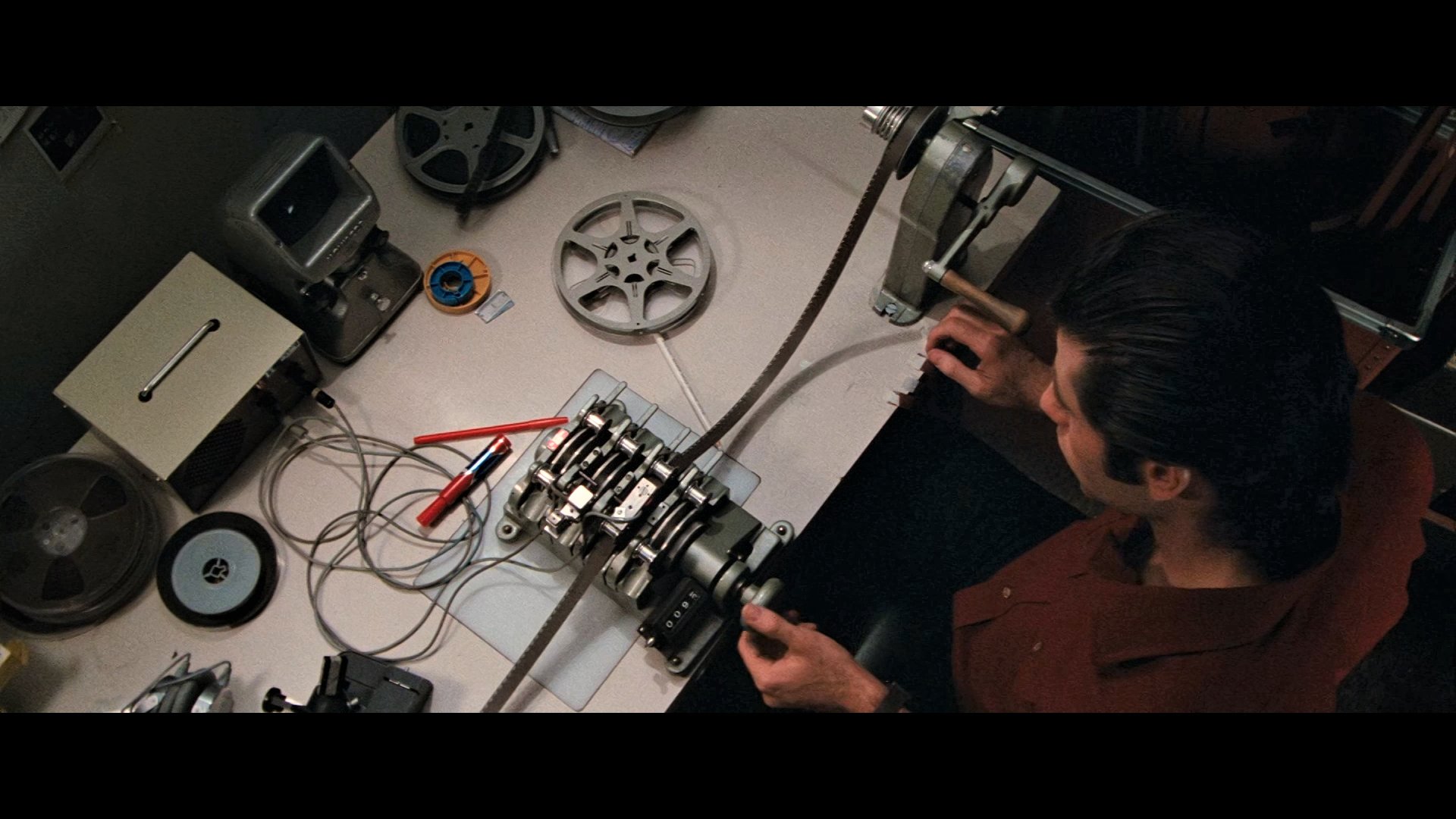
"In “Anatomy of a Scene,” we ask directors to reveal the secrets that go into making key scenes in their movies. See new episodes in the series on Fridays. You can also watch our collection of more than 150 videos on YouTube and subscribe to our YouTube channel."
"I want to pay tribute to his memory here and to recall all that I owe to the trust and encouragement he gave me, even when, as he one day told me, he did not see at all where I was going. That was in 1966 during a colloquium in the United States in which we were both taking part. After a few friendly remarks on the paper I had just given, Jean Hippolyte added, “That said, I really don’t see where you are going.” I think I replied to him more or less as follows: “If I clearly saw ahead of time where I was going, I don’t really believe that I would take another step to get there.” Perhaps I then thought that knowing where one is going may no doubt help in orienting one’s thinking, but that it has never made anyone take a single step, quite the opposite in fact. What is the good of going where one knows oneself to be going and where one knows that one is destined to arrive? Recalling this reply today, I am not sure that I really understand it very well, but it surely did not mean that I never see or never know where I am going and that to this this extent, to the extent that I do not know, it I not certain that I ever taken any step or said anything at all."
--Jacques Derrida,
"Punctuations: The Time of a Thesis," in The Eyes of the Univerversity, 115
"Finding Footage" has a broader focus, or "Finding Film" one that includes digital transformations, often spatializations, of films into maps of every shot of the film or every shot of the opening title sequence and a link to the sequence in motion. Our primary focus will be on trailers as film adaptations and of finding footage, selecting shots, for a specific purporse. Hence, certain shots may gain import when the film is viewed with a certain puporse in mind. The film's structure, the use of the full moon at the beginning and end of The Letter, Davis emptying a revolver in her murder victim in plain sight, unloading an entire a man in cold blood the entrance shot of Gail Sondergarrd's character will stand out to any viewer who pays clsoe attention to the film. When considering a film like the love scene in The Mad Miss Manton (1938), a screwball comedy and murder mystery, in relation to film noirs of he 1940s, certain shots will pop out, and certain lines like "I'll beat it out of you" resonate. The Mad Miss Manton 1938 Trailer. For example, there is a close up of Stanwyck lying on a couch smoking as Fonda tries to protect her. The music recalls (to me) the music in The Letter. Six years later she starred as the femme fatale lead in the classic noir Double Indemnity and two years after that she starred in The Strange Life of Martha Ivers. Stanwyck reteamed with co-star Henry Fonda in The Lady Eve (1944) and starred in the screwball comedy Great Ball of Fire (1941).yep, turns out the movie still works without all the exposition
Metropolis Ultimate Collector's Edition Blu-ray
It Came From Outer Space (1953) Official Trailer Movie HDhttps://www.youtube.com/watch?v=85xpN_OhwqsT
Delerue also wrote the soundtrack for Jean-Luc Godard's Contempt (Le Mépris)https://www.youtube.com/watch?v=aUs4awmb3-o1963 Directed by Jean-Luc Godard Music by Georges Deleruehttps://richardburtphd.com/indexanamorph.html
Due January 14 by 5:00 p.m: Second Viewing Responses. Give the timestamps of the shots or scenes in the film you think are related by design to two of the four shots I will give you.In your word doc, give the timestamps of the single shots or sequence of shots for two of the four out of mix, and give a description (around 40 words) of the formal relation you observe between the shots I gave you and the shots you noticed. Email all work for the course to me at
After you click on the link on the title and watch, write two Discussion Questions (DQs) on and describe any three shots of your choice with three film analysis terms.
Post Your DQs etc for History of Film 1 Fall 2022 here.
Put your DQs and three shots in one word document--.doc or .docx--and send the word . Don't send me a google doc or copy your document into your email. Don't forget to put your name in the upper right corner of your word document. If you want to know how to improve your discussion questions, I will be happy to meet with you on zoom during office hours or by appointment and show you.
Example of the word document format for discussion questions due Mondays by 5:00 p.m.:
Your name in the upper right corner.
1. (with timestamps of the shots you are discussing)
2. (with timestamps of the shots you are discussing)
a. (descriptions using film analysis terms with timestamps)
b. (descriptions using film analysis terms with timestamps)
c. (descriptions using film analysis terms with timestamps)
REQUIRED VIEWING:
Post Your DQs etc for Spring 2025 here.
Le Vert au cinéma - Blow Up - ARTE
Le Rouge au cinéma - Blow Up - ARTE
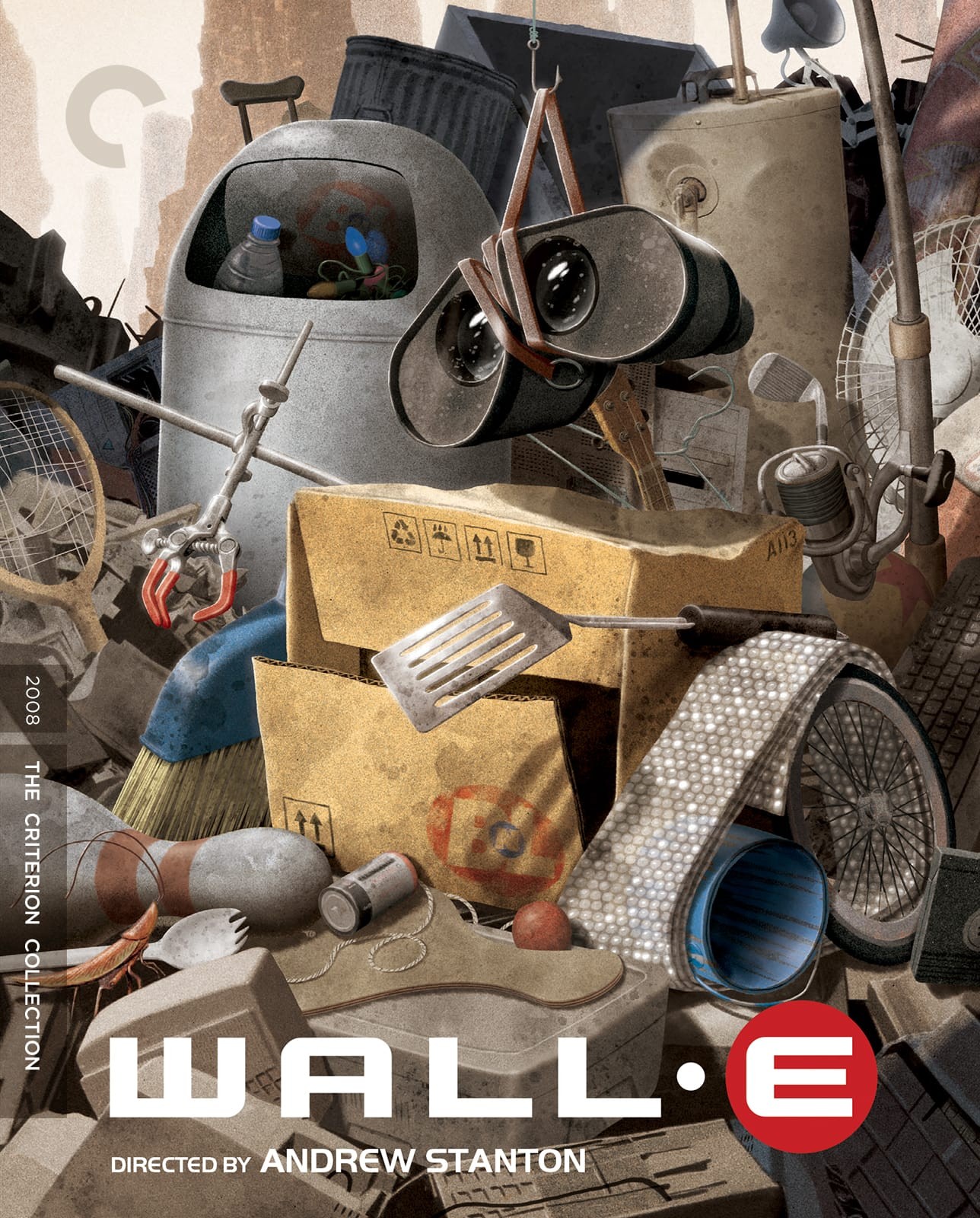
Wall E (2008)
Inferno (dir. Henri Clouzot)
September 25 The Cinematic Paratext
I will be asking you to learn how to do something no one may ever have asked you to do: it's called close reading. (Please do not confuse being moralistic and judgmental--"it didn't do 'x' and it should have done!"--with being critical--"why is the work doing what it is doing the way it is doing it?")."
Close reading means paying attention to language, to the words the author has used, the order in which they are used, and appreciating how well they are used. It means paying attention not to what is said but to how it is said; it means paying attention to the structure of sentences and the structure of the narrative; it means paying attention to tropes such as metaphor, metonymy, and irony, among others; it means being alert to allusions a work of literature makes to other works of literature.
See Cleanth Brooks, "The Heresy of Paraphrase," in The Well-Wrought Urn.
Close reading is a practice designed for literature, for texts that are extremely well-written. Literature is universal. Literature is often difficult to write. And it is often difficult to read. Not just anyone can write it. And not just anyone can read it closely. (If you do not know how to write a grammatical sentence or how to punctuate or how to use words correctly, you cannot learn how to read closely.) All writers of literature are excellent close readers. They know humongous amounts of (big) words.
Do not ask about the author or the historical context. Do not ask speculative questions. They cannot be answered and so are not productive for discussion. Do not ask what the work tells us about some general issue today. Ask about what the work says.
Predatory Reading vs. Literary Criticism
How to Read a Book 1940 edition
How to Read a Book 1966 edition
How To Read A Book 1972 Edition
Guy J. Williams, "Harkness Learning: Principles of a Radical American Pedagogy"
"What we must not forget, however, is that it is in the completion of the text by the reader that these adjustments are made; and each reader will make them differently. Plurality is here not a prescription but a fact. There is so much that is blurred and tentative, incapable of decisive explanation; however we set about our reading, with a sociological or a pneumatological, a cultural or a narrative code uppermost in our minds, we must fall into division and discrepancy; the doors of communication are sometimes locked, sometimes open, and Heathcliff may be astride the threshold, opening, closing, breaking. And it is surely evident that the possibilities of interpretation increase as time goes on. The constraints of a period culture dissolve, generic presumptions which concealed gaps disappear, and we now see that the book, as James thought novels should, truly "glories in a gap," a hermeneutic gap in which the reader's imagination must operate, so that he speaks continuously in the text.
Barthes denies the charge that on his view of the reading process one can say absolutely anything one likes about the work in question; but he is actually much less interested in defining contraints that in asserting liberties.
When we see that the writer speaks more than he knows what we mean is that the text is under the absolute control of no thinking subject, or that it is not a message from one mind to another."
--Frank Kermode, "A Modern Way with the Classic"
New Literary History Vol. 5, No. 3 (Spring, 1974), pp. 415-434; pp. 425; 432; 433The reason literature, film, and philosophy are so great, so deeply admired yet often controversial, even despised, is that writers are free to say anything they wish they way they want to say it, fillmakers get to show images of anything they wish, they way they want to show them, and philosophers can ask philosophical questions about anything they wish whenever they want. It's called FREEDOM OF EXPRESSION. As anyone who understands anything about language knows, intention and context do matter. I find attempts to get people fired from their jobs because of something they said repellent and unseemly.
TENTATIVE SCHEDULE (Please expect adjustments to be made in the schedule from time to time; all changes will be announced both in class and on the class email listserv.)
In order to include all students in class discussion, and in order to make it easier for you to read closely and thereby improve your own writing, We will close read, read slowly the assigned text sentence by sentence or the assigned film shot by shot. Discussion co-leaders and I will call on a student at random and ask that student to read a specific sentence out loud and then to close read it. If the student is unable to read the sentence closely, the co-leaders will call on another student and ask that student to read a specific sentence out loud and then to close read it. We will continue to discuss the same sentence until a student reads it closely. We will then proceed in the same fashion with the next sentence. And so on. Due to time constraints and because close reading is slow reading, we will skip parts of the assigned text, but we will always be talking and only be talking about words, syntax, punctuation, paragraphing, and narration in the text. As we move through the text, we will be able to make more general comments about parts of it. If students have comments to add on the sentence under discussion, they may raise their hands and make them once they have been called on by the co-leaders or me.
In order to learn the names of all the students in the class, I will take roll on canvas at the beginning of class. As I state on the requirements webpage, if you are late to class, I consider you absent. If you are absent more than twice, your final grade may suffer. If you are absent four times, you fail the class.
Here is what I have written on the requirements webpage:
"Attendance means not only being in class, but includes completing the assigned work for each class by the time it is due and arriving to class on time. (If you arrive late to class or if you don't do the discussion questions, you are counted as absent.)
Repetition is key to learning.
To learn how to understand a piece of music, a philosopher said, you have to hear it twice.
A conductor of baroque music said you have to listen to repeated hearings before you understand it.
"How full of meaning and significance the language of music is we see from the repetition of signs, as well as from the Da capo which would be intolerable in the case of works composed in the language of words. In music, however, they are very appropriate and beneficial; for to comprehend it fully, we must hear it twice."
--Arthur Schopenhauer, "On the Metaphysics of Music"
Vienna and Schubert: 'Death and the Maiden' String Quartet - Professor Chris Hogwood CBE"The greatest pieces of music are called classics simply because at a first hearing--that is terribly...very complicated to work out what's going on or even more complicated to explain to yourself why it's going on--even to hear it has to be heard several times. Probably after first hearing, immediately go back and hear it again, and on repeated hearings repeated things come to light."
--Christopher Hogwood
https://www.youtube.com/watch?v=mTziL0Xwa-s
timestamp 29:00
--Barbara Johnson quoting Roland Barthes on rereading versus reading.