THE GRADE ON CANVAS IS NOT ACCURATE. PAY NO ATTENTION TO IT. Everything counts in this class.
There will be no screenings. You will have to watch the film on disc or streaming. Do pay attention to the film and sound quality of the version you watch.
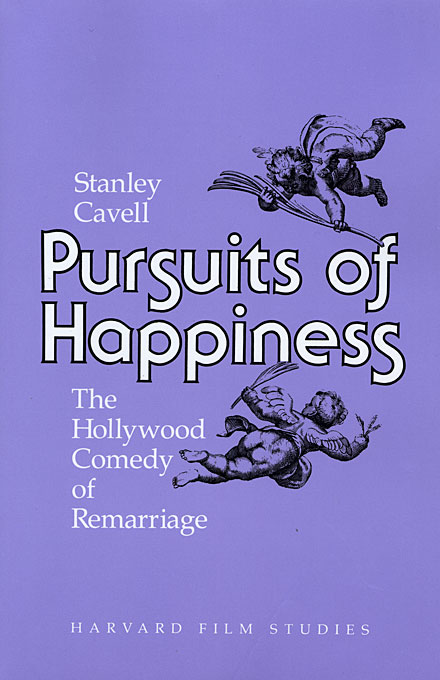
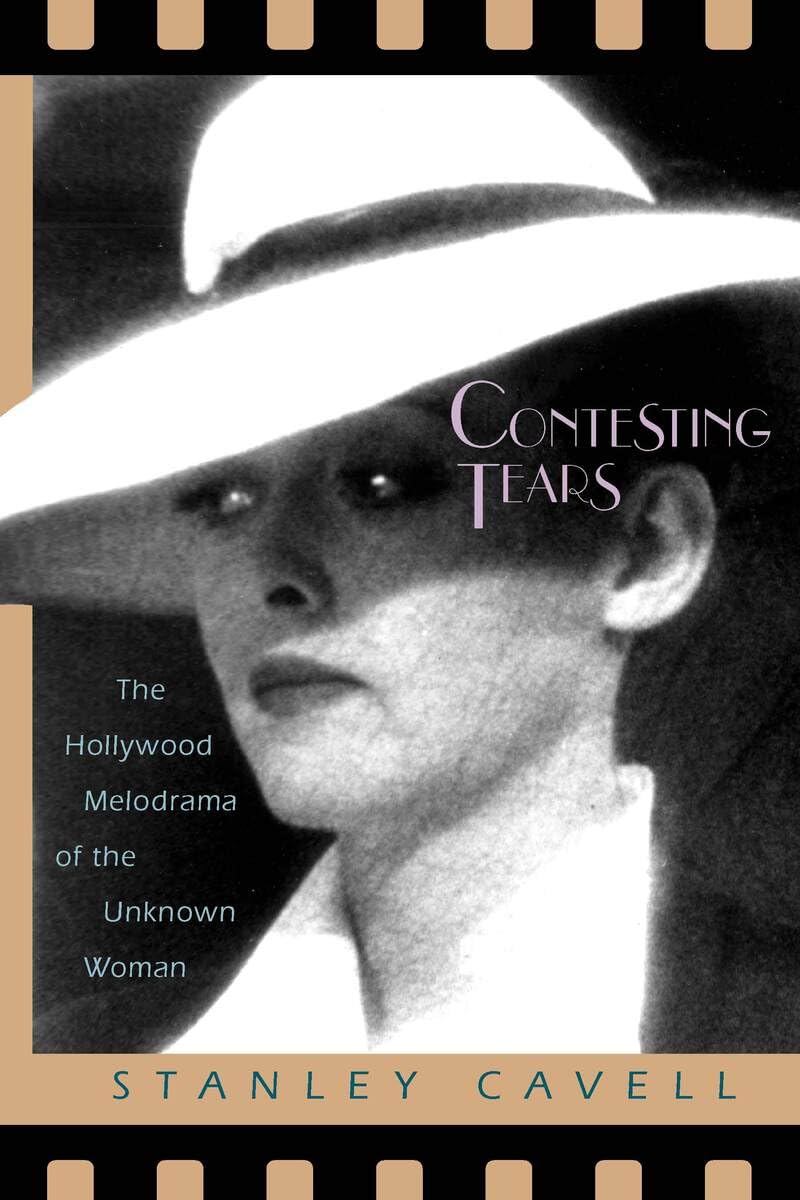
Ther two books for this class: Stanley Cavell, Pursuits of Happiness (free pdf) and Stanley Cavell, Contesting Tears (free pdf)
No cell phones, ipads, or laptops in use during class.
There are two kinds of assignments each week.
1. Discussion Questions on Two Sequences and descriptions any three shots of your choice with film analysis terms. The format is linked here:
https://docs.google.com/document/d/1admTXs8XRWyLI9IlsFTyeOcibCB2vGe6g1HQ4QgCVq8/edit?tab=t.0
2. Two sentences from every assigned Cavell reading.
The format is inked here:
https://docs.google.com/document/d/1D5xIdodaW0XxQmEPh9mWnGTdQopNAPy094H0wAAL7o8/edit?tab=t.0
Post your DQs and Three Shots BOTH on the relevant Google doc Above AND on CANVAS https://elearning.ufl.edu/
I have provided the google links for every class this semester on the schedule below.
Please be aware that the closing time on canvas is 5:00 p.m. Canvas will not allow you to submit work after the closing time. So do manage your time well.
Grading Policy for discussion questions and three shots: If your writing is ungrammatical, I will give you 1 out of 5. If your writing is bad, I will give you 2 out 5.
Richard Lanham, Revising Prose (1979) Read Chapters 1 and 2 and follow Lanham's advice.
DQs Etc are always due the the day before class by 5:00 p.m. (Mondays and Wednesdays)
Create google docs for Co-Leading Notes and Papers, and post the links on canvas. Don't forget to give me permission to edit the google docs.
Sign Up to Co-Lead Class . Don't co-lead with the same person twice, and co-lead once on a film and once on a reading.
Once you have a partner to co-lead class discussion, the two of you will create a google doc for your notes and share it with me by 6:00 p.m. the day before you are co-leading so I can add my thoughts. Make sure you give me permission to edit the google document. And read the DQs on the google doc.
The FIRST ASSIGNMENT is DUE tomorrow, August 24, by 5:00 P.M.
Post your DQs and Three Shots BOTH on the relevant Google doc (see below) AND on CANVAS
https://docs.google.com/document/d/1admTXs8XRWyLI9IlsFTyeOcibCB2vGe6g1HQ4QgCVq8/edit?tab=t.0
I designed this course myself and am looking forward to teaching it this semester. If you have a question or a problem, please contact me in class, in office hours, or at [email protected].
"I am always saying is that we must let the films themselves teach us how to look at them and how to think about them." Stanley Cavell, Pursuits of Happiness, p. 25
Tentative Schedule: (Please expect minor adjustments to be made in the schedule from time to time; all changes will be announced both in class and on the class email listserv.)
August 22 Philosophy and Film / Philosophy as Aesthetics
Pursuits of Happiness is devoted to what Cavell calls The Hollywood Comedy of Remarriage (Hollywood,1934-41): Cavell asks "What is marriage?" and calls the comedy of remarriage a genre (1934-49) of classic Hollywood films In Pursuits of Happiness. The genre shifts the question of comedy--"Will the couple marry?" to "will the couple divorce? The comedy of remarriage depends on education, self-knowledge, the creation of a new woman and a new kind of human. It is utopian but also experimental. It is also a revenge comedy? How is teaching a future or ex-fiancee or spouse a lesson a kind of punishment, something so unforgiveable that a reconciliation seems impossible ( or an ending that doesn't seem cynical or contrived or otherwise bogus). In addition to making passing references Shakespeare's comedies, Cavell mentions two of Alfred Hitchcock's psychological suspense thrillers, namely,Vertigo and North by Northwest. James Stewart stars in Vertigo and Cary Grant stars in North by Northwest. Both are cliffhangers. One film ends unhappily, one ends happily. Cavell notes that revenge is a concern both in melodrama and screball comedies.
InContesting Tears, Cavell rethought Pursuits of Happiness by taking up Hollywood melodramas and considering them stories about the unknown woman: in melodrama, marriages are destroyed; or characters remains single or unhappily married, in love with another character. There are also good and bad characters.
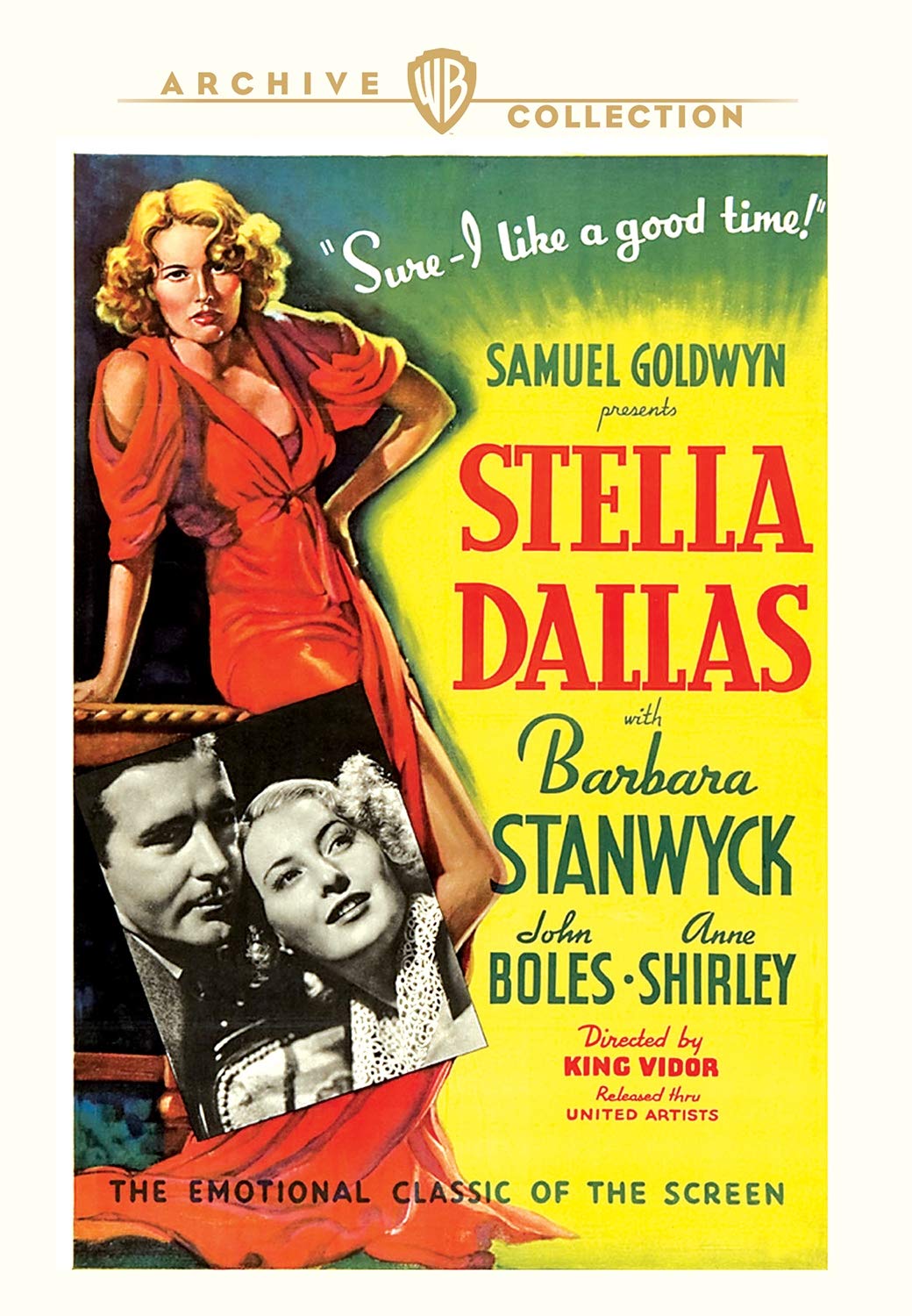
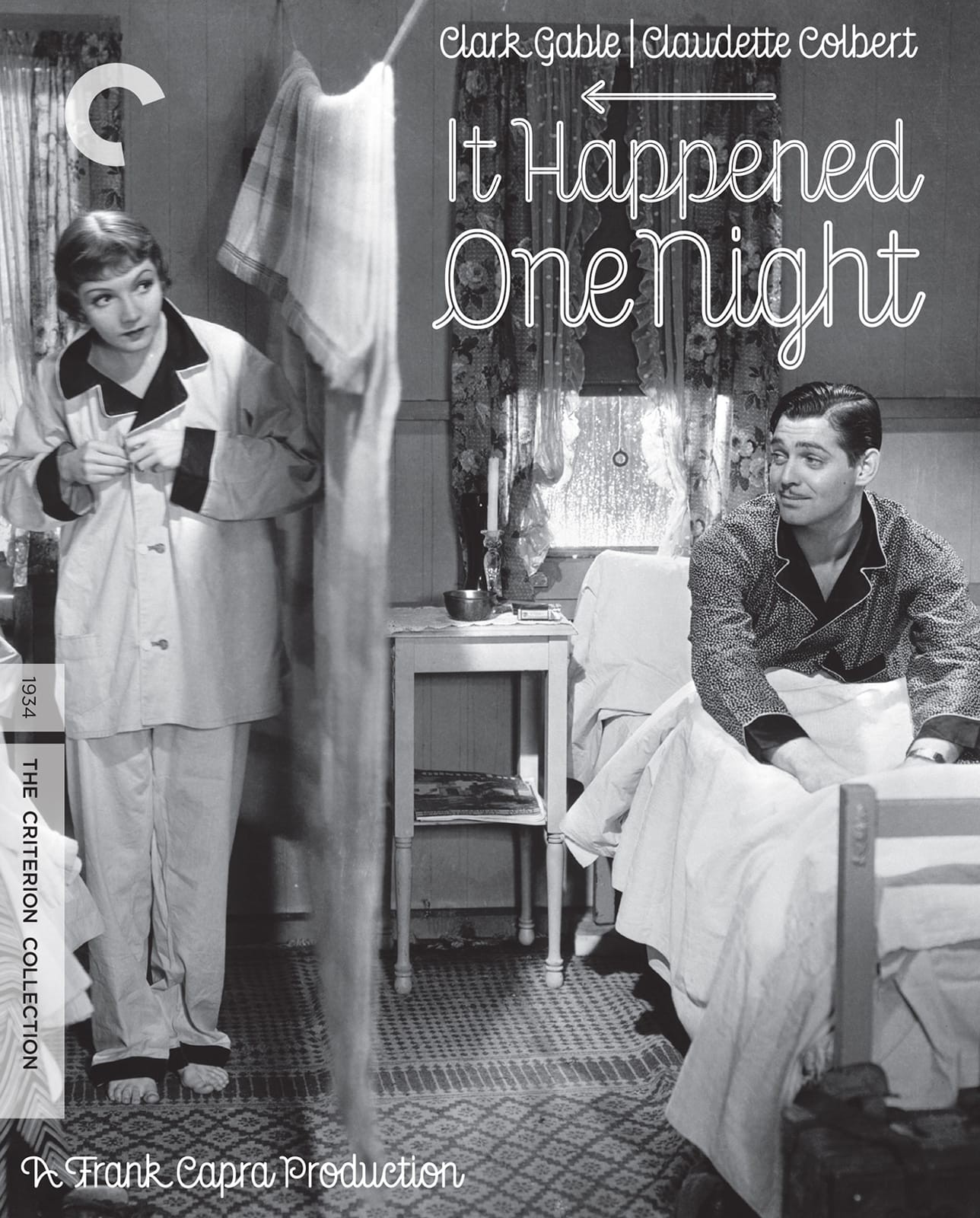
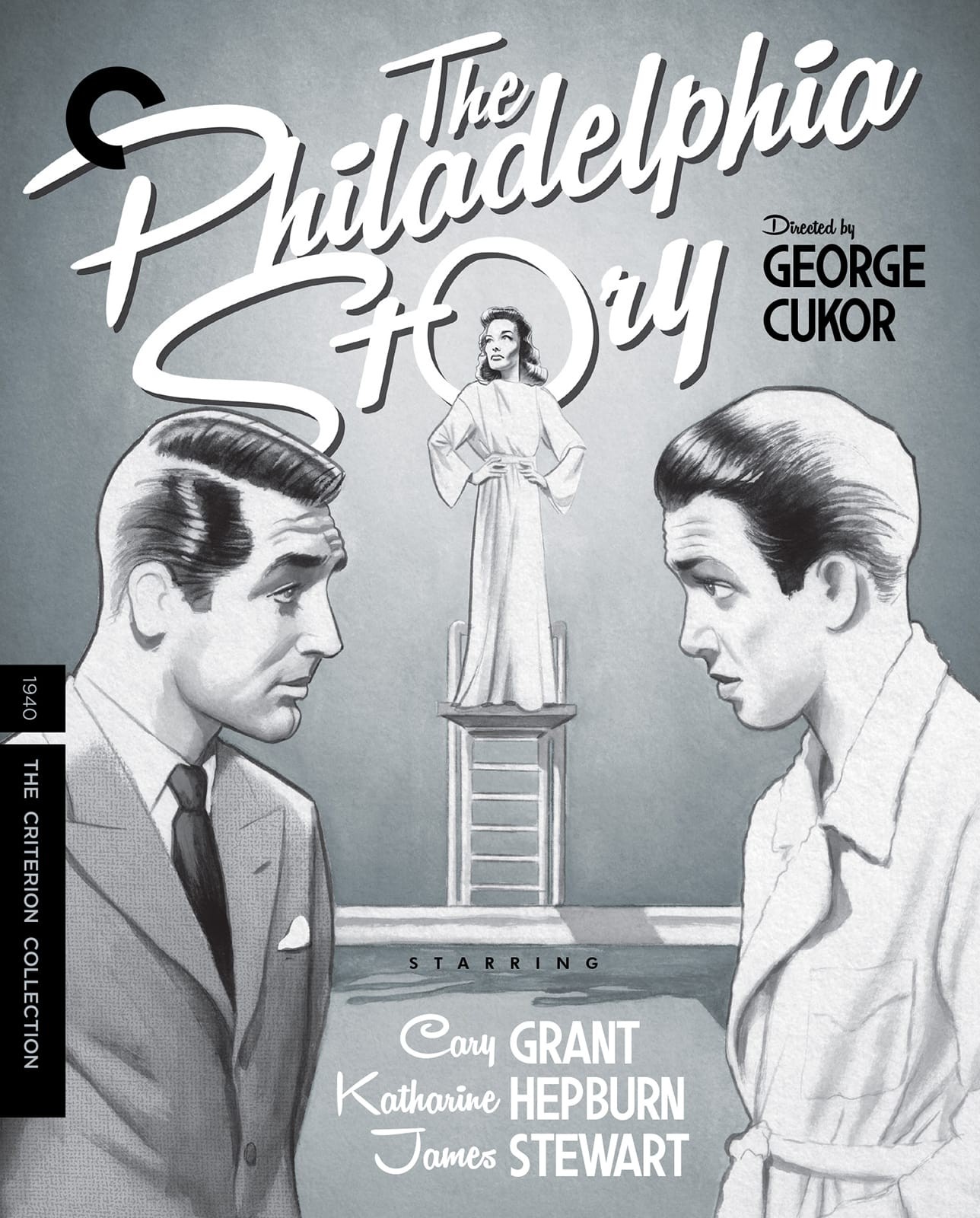
We will put both books in dialogue. Cavell acknowledges that the genres of screwball comedy and melodrama may overlap. He considers them "companion genres." (CT, p. 115). Their relation will be our concern, how they spill over into other film genres, like the horror film, murder mystery, crime film, or psychological thriller. We will not take Cavell as gospel but be as skeptical reading him as he is. We will often put critical pressure on his accounts of the films he discusses. We will read the chapters by juxtaposing films from both genres, films that sometimes have the same actors. We will attend to the star's versatility in playing roles in all film genres. We are not only watching an actor playing a character. We are watching the star play the role. Barbara Stanywck stars in The Lady Eve and in Stella Dallas. Claudette Colbert stars in Imitation of Life and It Happended One Night. Cary Grant stars in Philadelphia Story and Bringing Up Baby .. We will also Cavell's selection of films to discuss. Cavell mentions some famous genre films in passing and doesn't others mention at all. Are they excluded or ignored not for reasons of space but because they complicate his account of their genres?
YOUR ASSIGNMENT is due August 24 by 5:00 p.m. POST IT both and the google link below the assigned film or the best sentences in the Cavell reading and CANVAS https://elearning.ufl.edu/:
August 25 Revenge the Knife at the End: Madness or Sanity?
Required Viewing
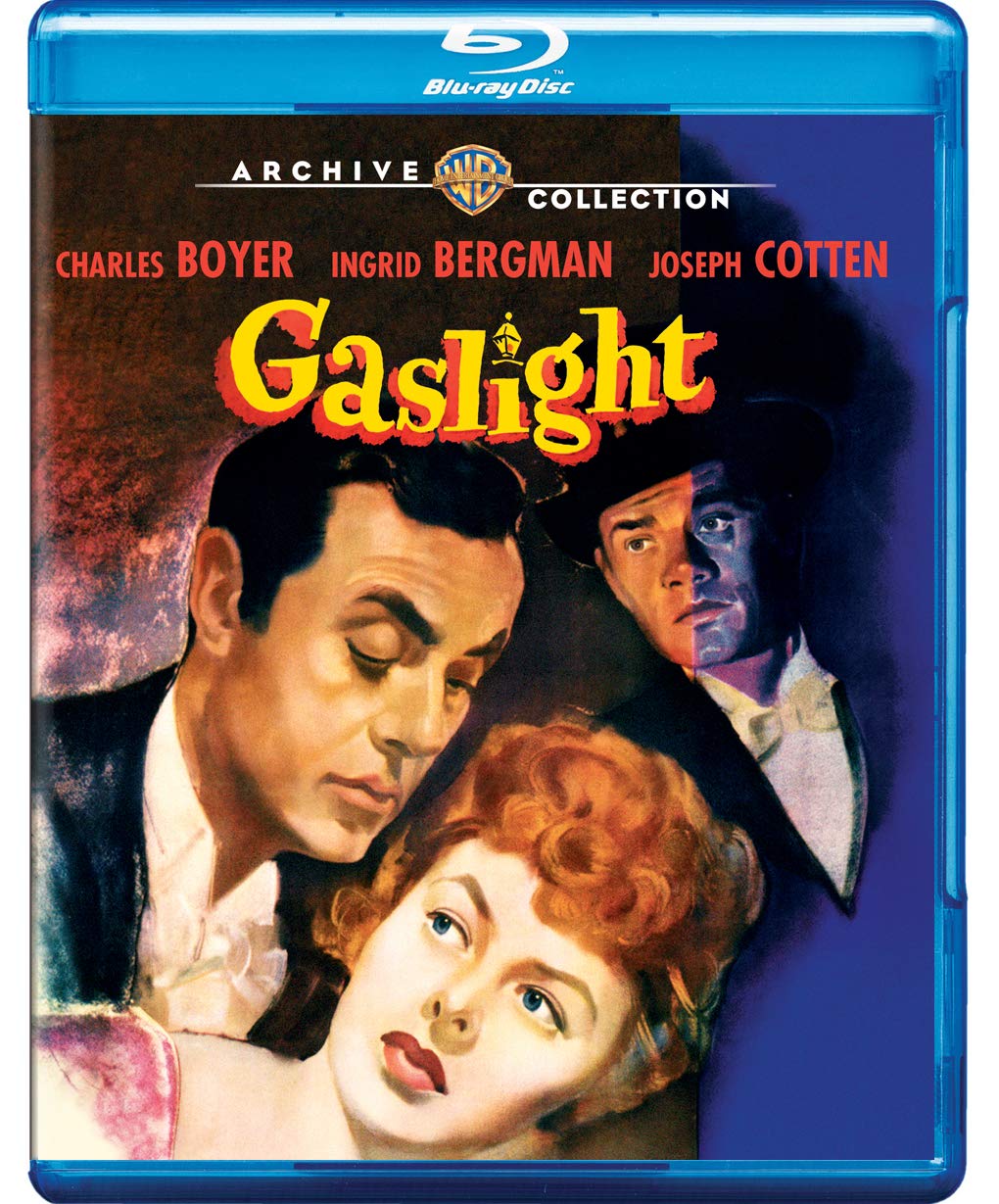
Gaslight (dir. Ceorge Cukor, 1944)
https://docs.google.com/document/d/1admTXs8XRWyLI9IlsFTyeOcibCB2vGe6g1HQ4QgCVq8/edit?tab=t.0
CANVAS https://elearning.ufl.edu/
August 27
Required Reading:
Stanley Cavell, Contesting Tears, chapter on Gaslight (dir. George Cukor, 1944), pp. 47-61; 68-78) You may skip pp. 63-67.
NOTE: Gaslight is usually classified as a psychological thriller, not a melodrama. It is a remake of a 1940 film, itself based on a Victorian play.
https://docs.google.com/document/d/1admTXs8XRWyLI9IlsFTyeOcibCB2vGe6g1HQ4QgCVq8/edit?tab=t.0
CANVAS https://elearning.ufl.edu/
August 31
Required Viewing
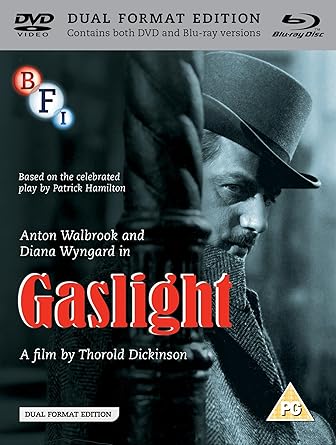
Gaslight (dir. Thorold Dickinson, 1940)
https://docs.google.com/document/d/1admTXs8XRWyLI9IlsFTyeOcibCB2vGe6g1HQ4QgCVq8/edit?tab=t.0
CANVAS https://elearning.ufl.edu/
"The film adheres more closely to the original play upon which it is based – Patrick Hamilton's Gas Light (1938) – than does the 1944 MGM remake." Wikipedia
Note the changes in characters and plot the 1944 makes to the 1940 version. In what ways do these changes pose a challenge to Cavell's account of the 1944 remake? Do they threaten to make philosophy int ideology, the philosopher into an ideologue willing to oppose bad meodamas to a counter genre of good melodramas? Cavell focuses on the husband and wife, on who can speak (the husband) and who can't (the wife), who is sane and madness. on one who is sane and one who is driven insane, and the villain and the hero. He doesn't consider adulterers and flirts, the other women or the other man, homewreckers, or gold diggers. Is Bella sane at the end of the 1940 version? What does she want?
Recommended Viewing:
Cavell wrote about two Hitchcock thrillers, but not about two Hitchcock films about Women Who Get Away with Murder:
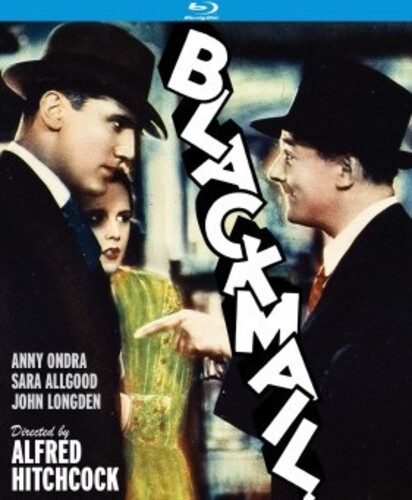
Blackmail (dir. Alfred Hitchcock, 1929) cheating woman, murder by knife scene
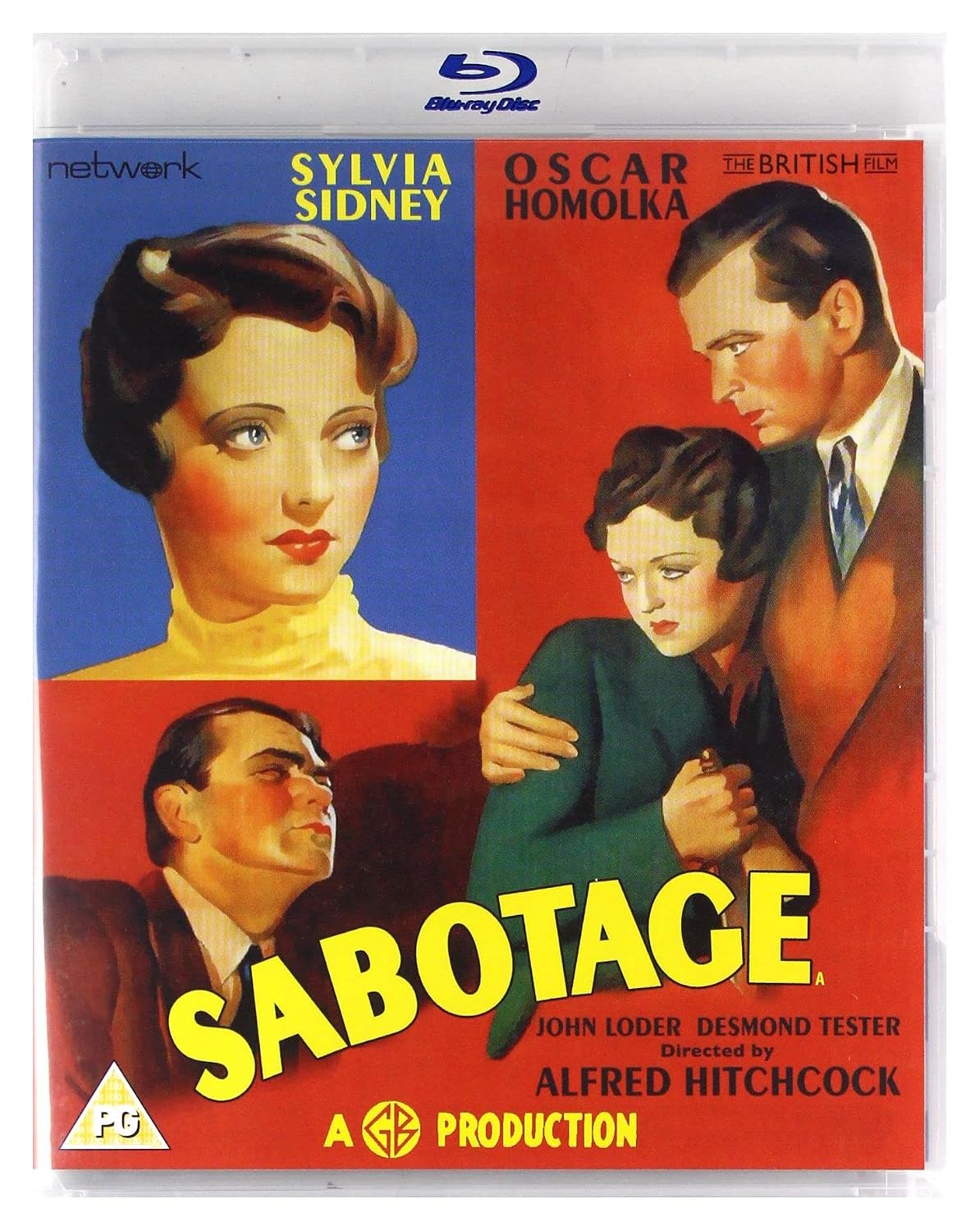
Sabotage (dir. Alfred Hitchcock, 1936) murder by dinner knife (timestamp 1:00:36)
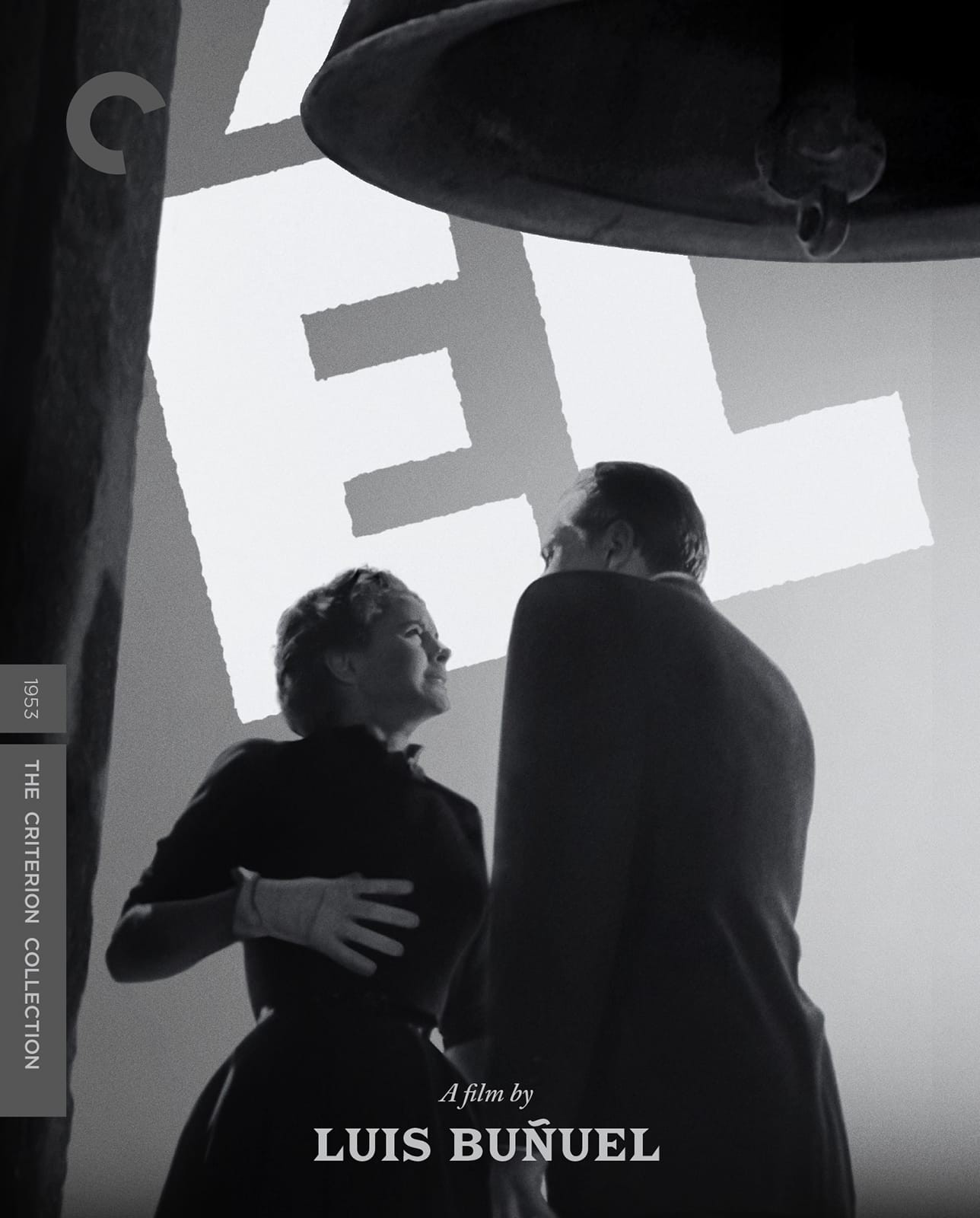
September 1 MEXICAN MELODRAMA: PERVERSE DESIRE (Male Paranoia and Jeaulosy)
https://docs.google.com/document/d/1admTXs8XRWyLI9IlsFTyeOcibCB2vGe6g1HQ4QgCVq8/edit?tab=t.0
CANVAS https://elearning.ufl.edu/
Stanley Cavell, Foreword to the 1995 re-edition.
Choose what you think are the two best sentences in Stanley Cavell, "Introduction: Words for a Conversation," Pursuits of Happiness, pp. 1-30. Copy the sentences you select and briefly explain why you choose each one. Post them on this google document and CANVAS https://elearning.ufl.edu/
Your criteria for "best" are twofold: (1) the thoughtfulness of Cavell's expression; and (2) the craft or artistry of his expression. Consider this sentence:
"My reference to Sweet Movie is not meant simply to suggest that now, four or so decades after the scenes inquestion, we are in the mature position of being able to treat such things explicitly; it is meant equally to suggest that now we are in the immature position of not being able to treat such things implicitly," Pursuits of Happiness, p. 94, note *
Your brief commentary on this sentence would follow here. (You could note Cavell's use of a semi-colon to split the sentence into two independent clauses and use of parallel phrasing("it is not meant . . .; it is meant") to reverse the thought in the first clause into its opposite in the second clause while balancing the two thoughts making them syntactical equals.)
THE ASSIGNED READING IS NOT A PROMPT. IT IS THE OBJECT OF YOUR CRITICAL ATTENTION. YOU ARE TRYING TO EXPLAIN IT TO YOURSELF SO YOU CAN EXPRESS YOURSELF CLEARLY OTHER STUDENTS.
September 10 "Be not afear'd": Letting Cavell Teach Us How to Read His Books (The lecture and the conversation--and the continuation or rewriting of an earlier publication)
Required Reading :
Stanley Cavell, "Introduction: Words for a Conversation," Pursuits of Happiness, pp. 1-30.
https://docs.google.com/document/d/1admTXs8XRWyLI9IlsFTyeOcibCB2vGe6g1HQ4QgCVq8/edit?tab=t.0
CANVAS https://elearning.ufl.edu/
This is a key sentence: "I am always saying is that we must let the films themselves teach us how to look at them and how to think about them." p. 25
Notice that Cavell breaks up his "Introduction" into nine sections. Which is the most important section in pp. 1-30 in your view and why?
"This book is primairly devoted to the reading of seven films. If my citings of philosophical texts along the way hinder more than they help you, skip them," p. 16.
You have my permission to" skip them." Cavell references his own publications, Kant, Emerson, Wittgenstein, Austin, Kierkegaard, Nietzsche, Baudelaire, Daguerre, Marx, Freud, and Thoreau, among others. Just ignore the (self-)references and see what you can make of what Cavell is saying about the film. If you don't understand Cavell's point, just skip that part, note it in the margin, and then keep reading. Cavell is writing as if he were thinking aloud. That is quite an achievement. Note how often he raises a question or a series of questions for the reader to ponder. We're going to think about how Cavell thinks as well as what he thinks, or what he thinks thinking is.
September 15
Stanley Cavell, "Introduction: Words for a Conversation," in Pursuits of Happiness, pp. 30-42.
https://docs.google.com/document/d/1admTXs8XRWyLI9IlsFTyeOcibCB2vGe6g1HQ4QgCVq8/edit?tab=t.0
CANVAS https://elearning.ufl.edu/
What does Cavell mean by "Conversation"? Or by "Words for a Conversation"? Can you have a conversation if you do all the talking? Is thinking an internal monologue if you talk to yourself? Or write to yourself? Is a lecture dialogical because it is read aloud?
NOTE: Stanley Cavell's relation to his publications is unusual. After he published Pursuits of Happiness in 1985, a book based on a course he taught, he published a book based on a course on moral perfectionism as Cities of Words: Pedagogical Letters on a Register of the Moral Life in 2004. This book includes entirely new but shorter chapters on the screwball comedies he discusses in Pursuits of Happiness. Cavell also adds to each chapter a curiously enummerated analysis of the film that combines plot summary and commentary.
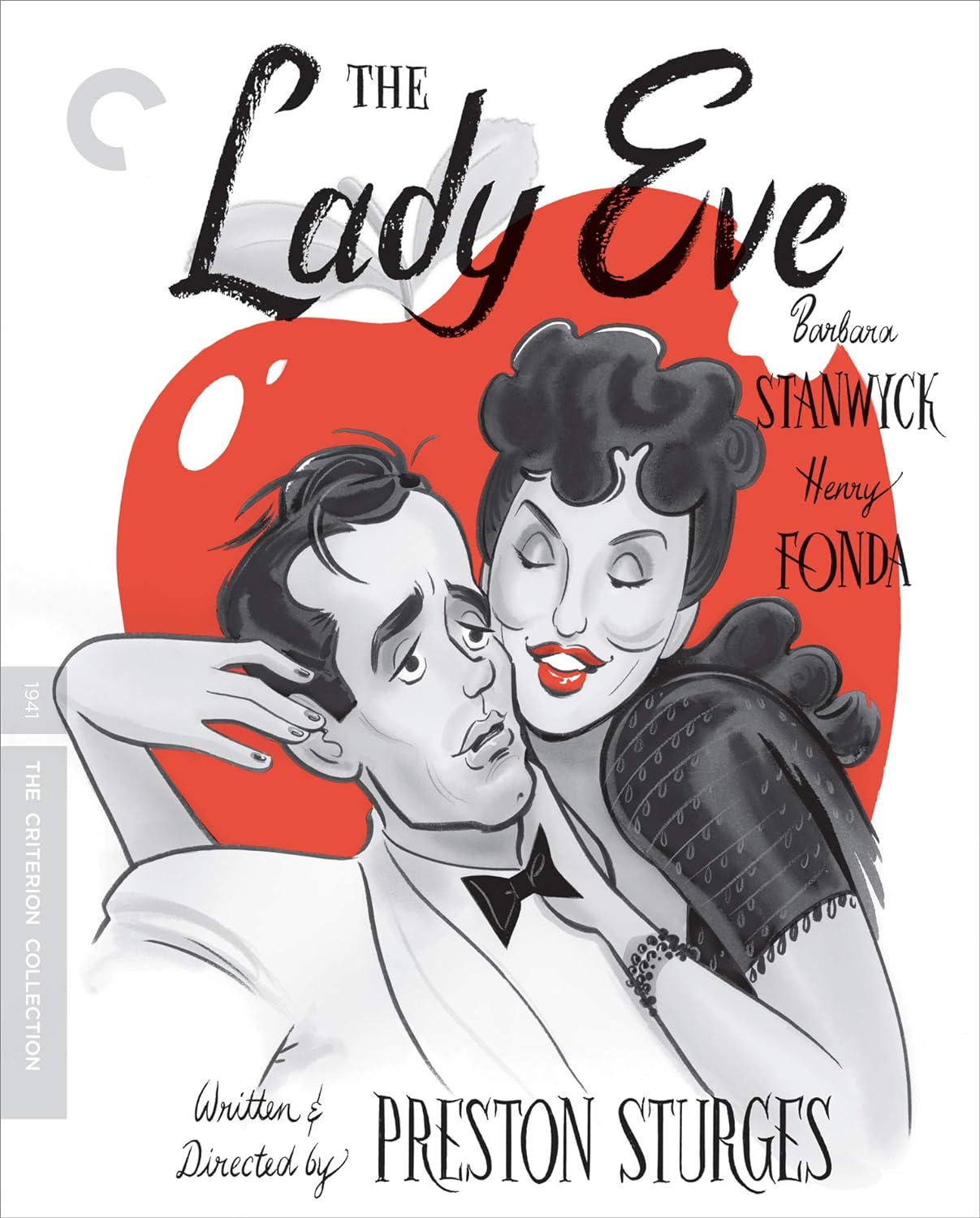
September 17The Lady Eve (dir. Preston Sturges, 1941)
https://docs.google.com/document/d/1admTXs8XRWyLI9IlsFTyeOcibCB2vGe6g1HQ4QgCVq8/edit?tab=t.0
CANVAS https://elearning.ufl.edu/
September 22
Required Reading:
Stanley Cavell, Chapter 1 "Cons and Pros: The Lady Eve," Pursuits of Happiness, pp. 45-70.
https://docs.google.com/document/d/1admTXs8XRWyLI9IlsFTyeOcibCB2vGe6g1HQ4QgCVq8/edit?tab=t.0
CANVAS https://elearning.ufl.edu/
***First Paper due 11:59 p.m. Saturday February 10
September 24
Required Second Viewing:
The Lady Eve (dir. Preston Sturges, 1941)
https://docs.google.com/document/d/1admTXs8XRWyLI9IlsFTyeOcibCB2vGe6g1HQ4QgCVq8/edit?tab=t.0
CANVAS https://elearning.ufl.edu/
September 29
REQUIRED VIEWING:
Stella Dallas (dir. King Vidor, 1937)
https://docs.google.com/document/d/1admTXs8XRWyLI9IlsFTyeOcibCB2vGe6g1HQ4QgCVq8/edit?tab=t.0
CANVAS https://elearning.ufl.edu/
October 1
Required Reading:
Stanley Cavell, Contesting Tears, "Chapter 5 Stella's Taste: Reading Stella Dallas," 197-222https://docs.google.com/document/d/1admTXs8XRWyLI9IlsFTyeOcibCB2vGe6g1HQ4QgCVq8/edit?tab=t.0
CANVAS https://elearning.ufl.edu/
Recommended Reading:
William Rothman, Chapter Nine in The 'I' of the Camera: Essays in Film Criticism, History, and Aesthetics
October 6
Required First Viewing:
It Happened One Night (dir. Frank Capra, 1934)
https://docs.google.com/document/d/1admTXs8XRWyLI9IlsFTyeOcibCB2vGe6g1HQ4QgCVq8/edit?tab=t.0
CANVAS https://elearning.ufl.edu/
October 8
Required Reading:
Stanley Cavell, Chapter 2 "Knowledge as Transgression: It Happened One Night," Pursuits of Happiness, pp. 71-110.https://docs.google.com/document/d/1admTXs8XRWyLI9IlsFTyeOcibCB2vGe6g1HQ4QgCVq8/edit?tab=t.0
CANVAS https://elearning.ufl.edu/
October 13
Required Reading:
Stanley Cavell, Chapter 2 "Knowledge as Transgression: It Happened One Night," Pursuits of Happiness, pp. 71-110
https://docs.google.com/document/d/1admTXs8XRWyLI9IlsFTyeOcibCB2vGe6g1HQ4QgCVq8/edit?tab=t.0
CANVAS https://elearning.ufl.edu/
October 15
Required Second Viewing:
It Happened One Night (dir. Frank Capra, 1934)
https://docs.google.com/document/d/1admTXs8XRWyLI9IlsFTyeOcibCB2vGe6g1HQ4QgCVq8/edit?tab=t.0
CANVAS https://elearning.ufl.edu/
.
October 20
Required First Viewing:
The Philadelphia Story (dir. George Cuckor, 1940)
https://docs.google.com/document/d/1admTXs8XRWyLI9IlsFTyeOcibCB2vGe6g1HQ4QgCVq8/edit?tab=t.0
CANVAS https://elearning.ufl.edu/
October 22
Required Reading:
Stanley Cavell, Chapter 4 "The Importance of Importance: The Philadelphia Story," Pursuits of Happiness, pp. 133-60.
https://docs.google.com/document/d/1admTXs8XRWyLI9IlsFTyeOcibCB2vGe6g1HQ4QgCVq8/edit?tab=t.0
CANVAS https://elearning.ufl.edu/
October 27
Required Second Viewing:
The Philadelphia Story (dir. George Cuckor, 1940)
https://docs.google.com/document/d/1admTXs8XRWyLI9IlsFTyeOcibCB2vGe6g1HQ4QgCVq8/edit?tab=t.0
CANVAS https://elearning.ufl.edu/
October 29
Required Viewing:
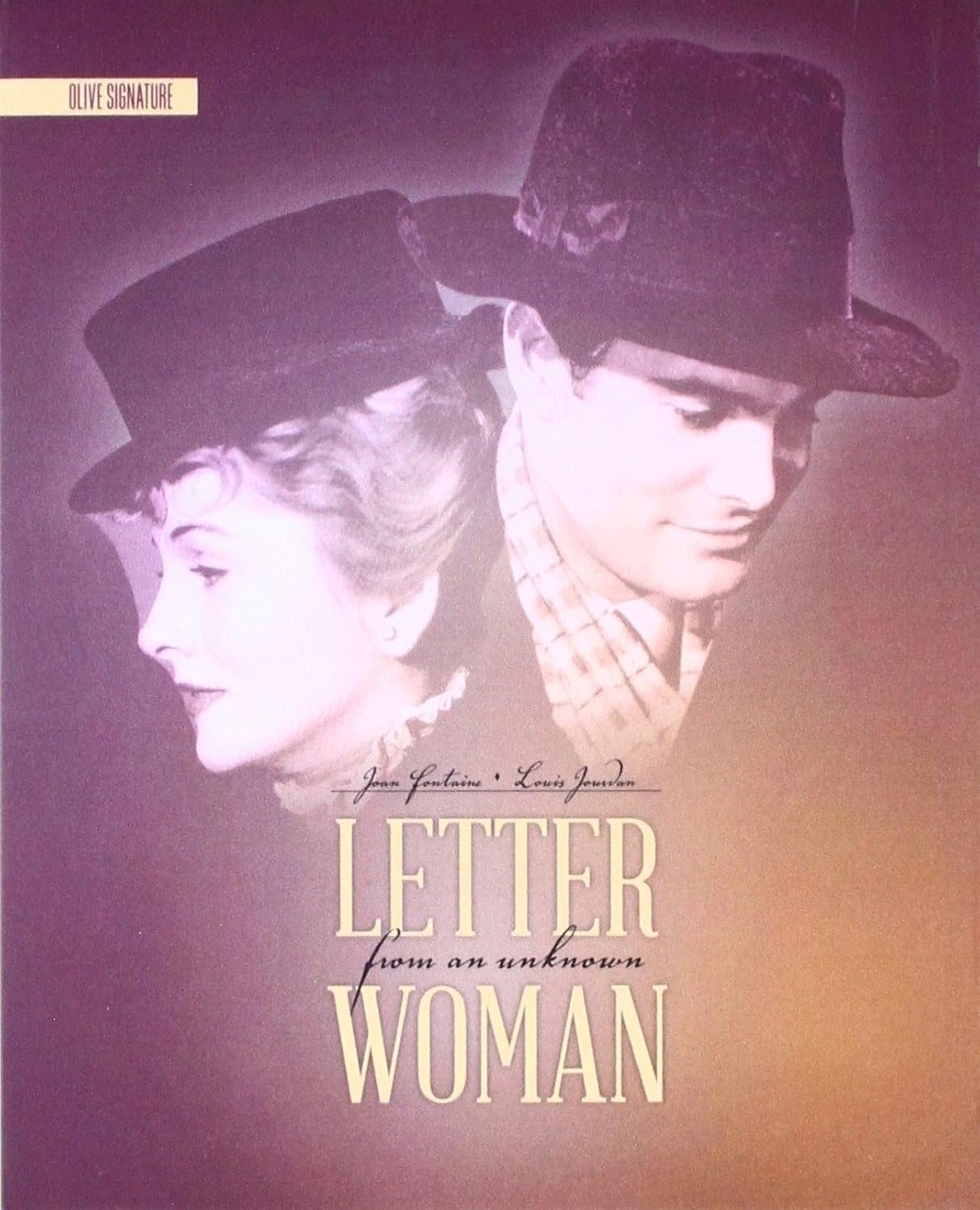
Letter from an Unknown Woman (dir. Max Ophuls, 1948)
https://docs.google.com/document/d/1admTXs8XRWyLI9IlsFTyeOcibCB2vGe6g1HQ4QgCVq8/edit?tab=t.0
CANVAS https://elearning.ufl.edu/
November 3
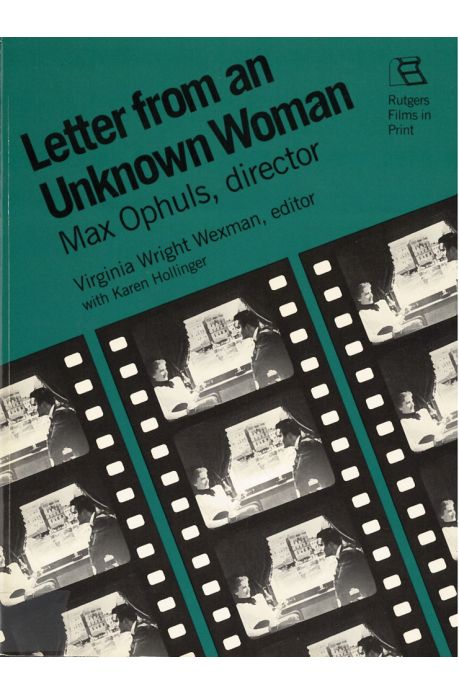
Stanley Cavell on Letters from an Unknown Woman in Contesting Tears, pp.168-77; 107-13
https://docs.google.com/document/d/1admTXs8XRWyLI9IlsFTyeOcibCB2vGe6g1HQ4QgCVq8/edit?tab=t.0
CANVAS https://elearning.ufl.edu/
Note the different endings in the continuity script, notes on the shooting script, and the source story in Letter from an Unknown Woman: Max Ophuls, Director (Rutgers Films in Print, 1986), 133-35; 150-51; 185
November 5
Now Voyager (dir. Irving Rapper, 1942)
https://docs.google.com/document/d/1admTXs8XRWyLI9IlsFTyeOcibCB2vGe6g1HQ4QgCVq8/edit?tab=t.0
CANVAS https://elearning.ufl.edu/
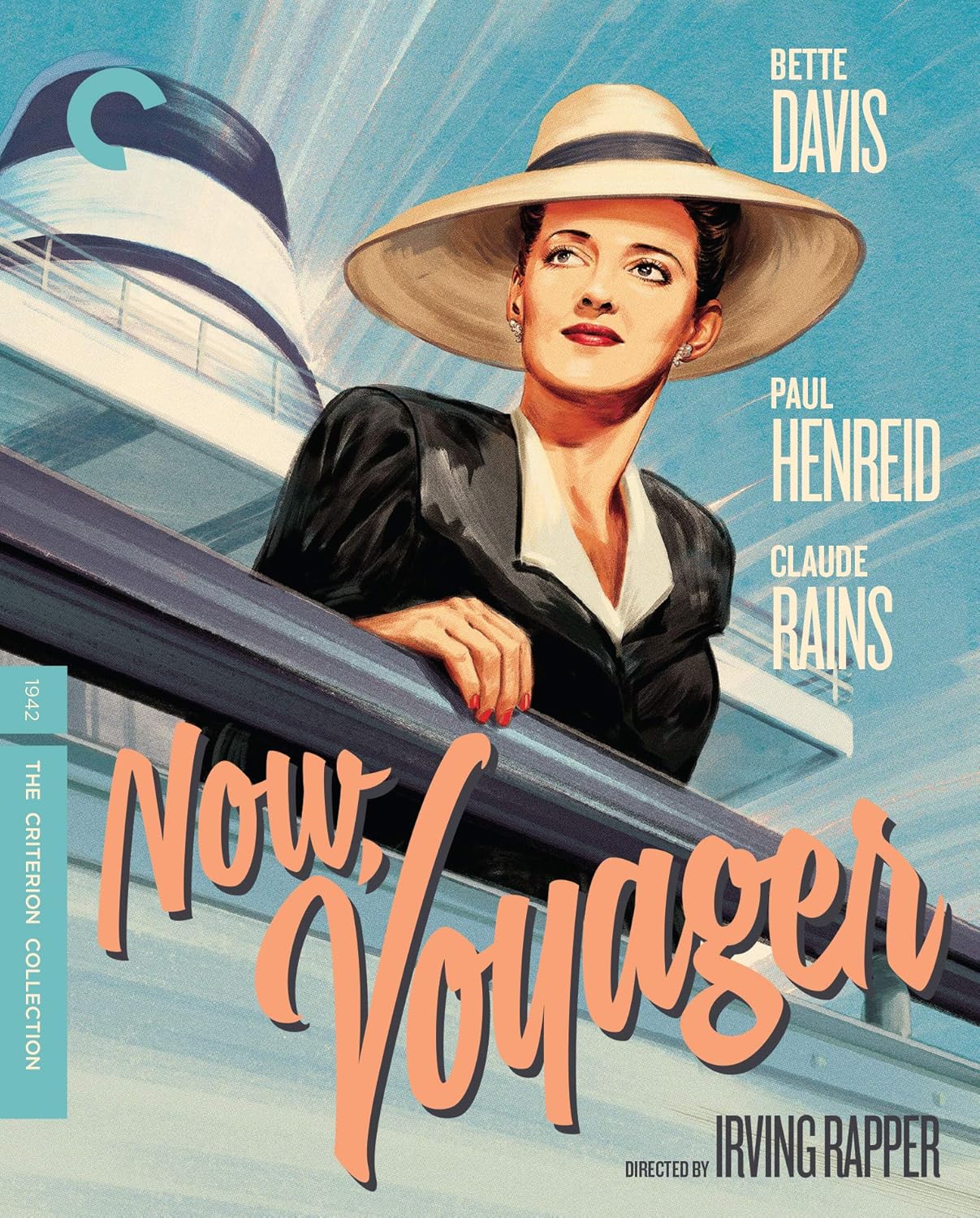
https://www.criterion.com/films/29026-now-voyager
November 10
Required Viewing:Cavell on Now, Voyager, pp. 114-37; 139-48
https://docs.google.com/document/d/1admTXs8XRWyLI9IlsFTyeOcibCB2vGe6g1HQ4QgCVq8/edit?tab=t.0
CANVAS https://elearning.ufl.edu/
November 12
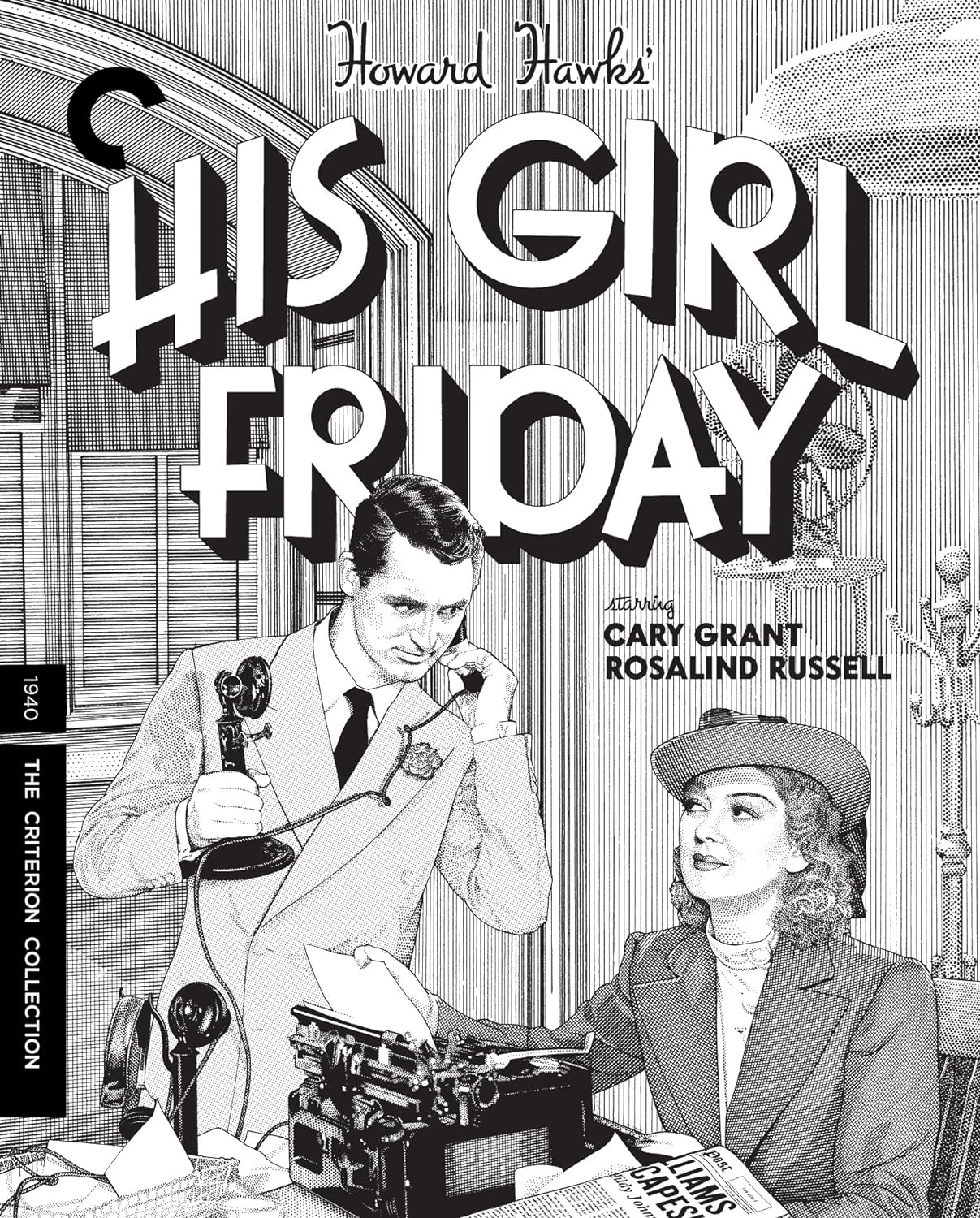
Required First Viewing:His Girl Friday (dir Howard Hawks, 1937)
https://docs.google.com/document/d/1admTXs8XRWyLI9IlsFTyeOcibCB2vGe6g1HQ4QgCVq8/edit?tab=t.0
CANVAS https://elearning.ufl.edu/
November 17
Stanley Cavell, Chapter 5 "Counterfeiting Happiness: His Girl Friday," Pursuits of Happiness, pp. 161-88.
https://docs.google.com/document/d/1admTXs8XRWyLI9IlsFTyeOcibCB2vGe6g1HQ4QgCVq8/edit?tab=t.0
CANVAS https://elearning.ufl.edu/
November 19
Required Second Viewing:
His Girl Friday (dir. Howard Hawks, 1937)
https://docs.google.com/document/d/1admTXs8XRWyLI9IlsFTyeOcibCB2vGe6g1HQ4QgCVq8/edit?tab=t.0
CANVAS https://elearning.ufl.edu/
November 24
Thanksgiving
November 26
Thanksgiving
December 1
Required Viewing:
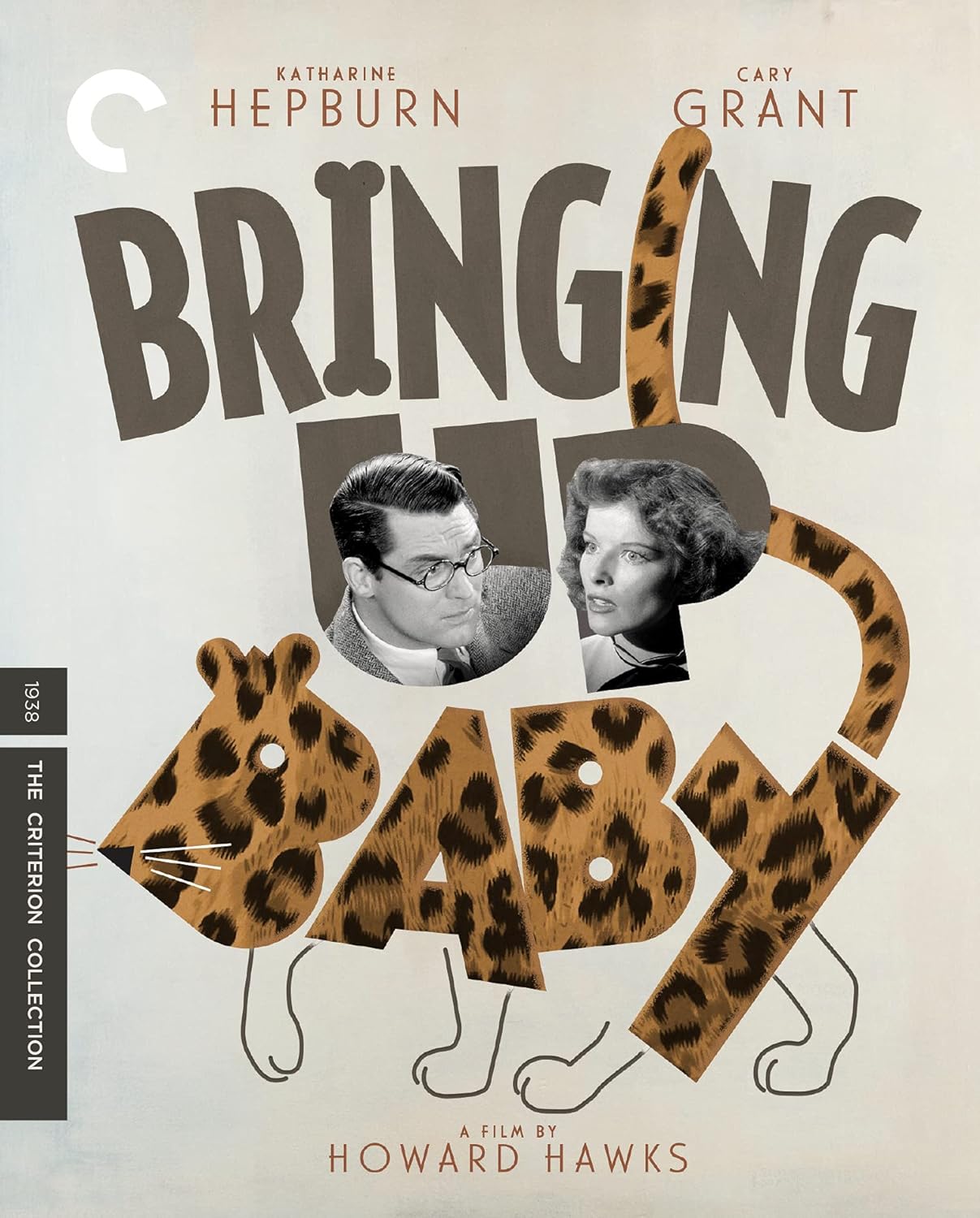
Bringing Up Baby (dir. Howard Hawks, 1937)
https://docs.google.com/document/d/1admTXs8XRWyLI9IlsFTyeOcibCB2vGe6g1HQ4QgCVq8/edit?tab=t.0
CANVAS https://elearning.ufl.edu/
Required Reading:
Stanley Cavell, Chapter 3 "Leopards in Connecticut: Bringing Up Baby," Pursuits of Happiness, pp. 111-32.
https://docs.google.com/document/d/1admTXs8XRWyLI9IlsFTyeOcibCB2vGe6g1HQ4QgCVq8/edit?tab=t.0
CANVAS https://elearning.ufl.edu/
NOTHING BELOW IS REQUIRED FOR THIS COURSE. YOU MAY STOP READING HERE.
Films in FIlm; Editing in Films and Music Videos (Orson Welles; Riefenstahl; Human League; Blow Up; All shots images; Best shots to capture for a scene (Psycho)
FIRST PAPER, a Film Clip Analysis Assignment DUE Saturday,, by 11:59 p.m. 500 words.
Formatting for image captures in your FIRST PAPER: put time stamps for the images at the end of your sentences as needed. Put the captures in your paper near the part you discuss them, as if you were quoting from a book. Begin your sentence describing the shot when you use an image capture. Number the images, give them captions, and refer to them by the same number in the body of your paper when you discuss them. Put the image number at the end of your sentence after the timestamp.
Live GRADING in 4314 Turlington: I will meet with you in person to discuss your paper with you. PLEASE BE ADVISED: If you didn't do the asignment, your gra
SECOND PAPER DUE by midnight.
Second Paper (500 words) DUE Saturday by midnight. WHAT YOU NEED TO KNOW: Your assignment is to do a close reading of a clip from an assigned film we've watched this semester except the film you wrote your first film assignment on. Focus on a scene and discuss it in detail. That passage or scene is your paper topic. Cite the film to make your points. Develop your thesis. The film is your evidence. Use screen captures to support your points. If you don't know what a close reading is and have never done one before, be sure to go to http://writingcenter.fas.harvard.edu/pages/how-do-close-reading. You may also ask me for clarification. You must also know how to write a research paper or analytical essay. You will need a title for your paper and a thesis, an argument that you can state in one sentence. Your thesis should go at the end of your first paragraph. To make sure we share the same understanding of the assigned paper, please read paper.html before you begin writing. You may figure out your title before you write your paper, but usually, you only figure out your title after you figure out your thesis. And you figure out your thesis by writing your paper. What you first thought is your conclusion often needs to be moved up from the end of the essay to the front. Then you are ready to make your final revisions and add a new concluding paragraph. You may also have come up with a new title in the course of writing the paper. And then you are ready to proofread your paper. I strongly recommend you read it aloud to catch errors. And then you will have finished writing your paper. Congratulations! :) Also, please insert image captures as needed.
Email your paper (as an attachment) to me at [email protected]. Put your name in the subject title or header of your title. Put your name in your paper.
Grading: I will meet with you in person to discuss your paper with you. PLEASE BE ADVISED: If you don't do the asignment, a close reading, your grade is an automatic E. If you don't put your name on your paper, it's an automatic E. If you don't have a proper title, it's an automatic E. If you don't have a thesis, it's an automatic E. One third of your grade will be based on your title; one third on your thesis; and one third on the rest of your paper.
Live GRADING in 4314 Turlington
The Awful Truth (dir. Leo McCarey, 1937)
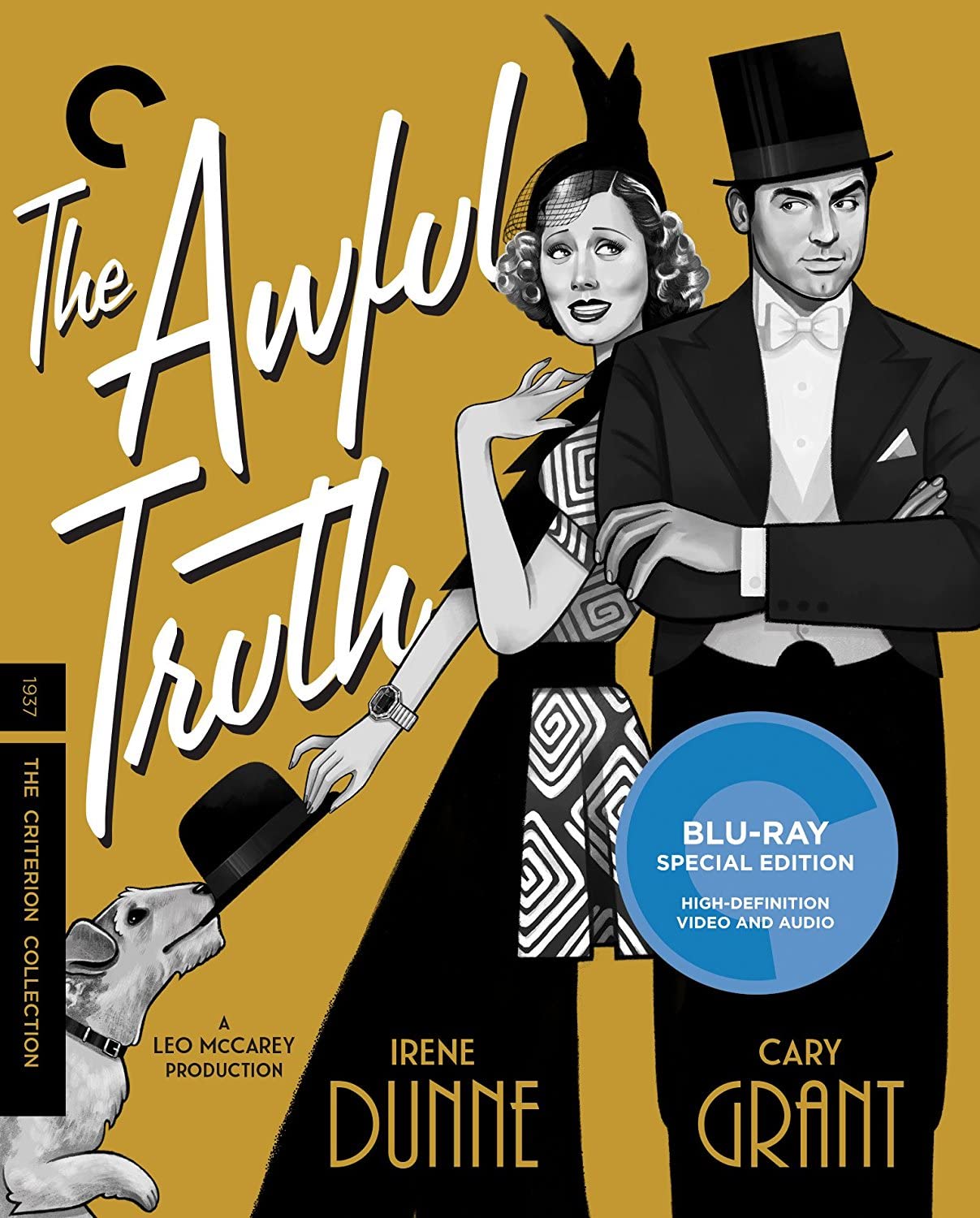
Stanley Cavell, Chapter 7 "The Same and Different: The Awful Truth," Pursuits of Happiness, pp. 229-64.
In order to include all students in class discussion, and in order to make it easier for you to read closely and thereby improve your own writing, We will close read, read slowly the assigned text sentence by sentence or the assigned film shot by shot. Discussion co-leaders and I will call on a student at random and ask that student to read a specific sentence out loud and then to close read it. If the student is unable to read the sentence closely, the co-leaders will call on another student and ask that student to read a specific sentence out loud and then close read it. We will continue to discuss the same sentence until a student reads it closely. We will then proceed in the same fashion with the next sentence. And so on. Due to time constraints and because close reading is slow reading, we will skip parts of the assigned text, but we will always be talking and only be talking about words, syntax, punctuation, paragraphing, and narration in the text. As we move through the text, we will be able to make more general comments about parts of it. If students have comments to add on the sentence under discussion, they may raise their hands and make them once they have been called on by the co-leaders or me.
In order to learn the names of all the students in the class, I will take roll on canvas at the beginning of class. As I state on the requirements webpage, if you are late to class, I consider you absent. If you are absent more than twice, your final grade may suffer. If you are absent four times, you fail the class.
Here is what I have written on the requirements webpage:
"Attendance means not only being in class, but includes completing the assigned work for each class by the time it is due and arriving to class on time. (If you arrive late to class or if you don't do the discussion questions, you are counted as absent.)
https://www.criterion.com/films/33695-el
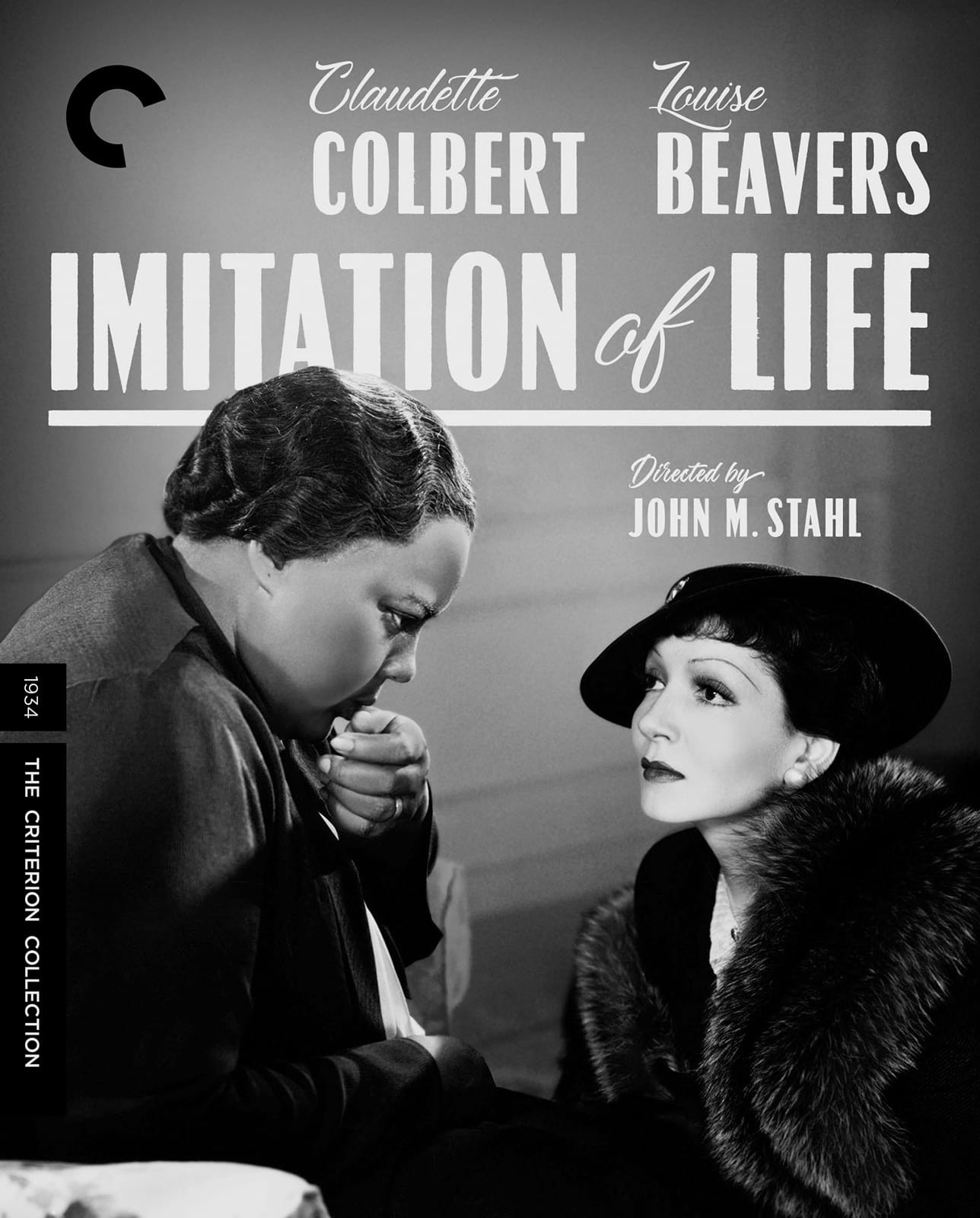
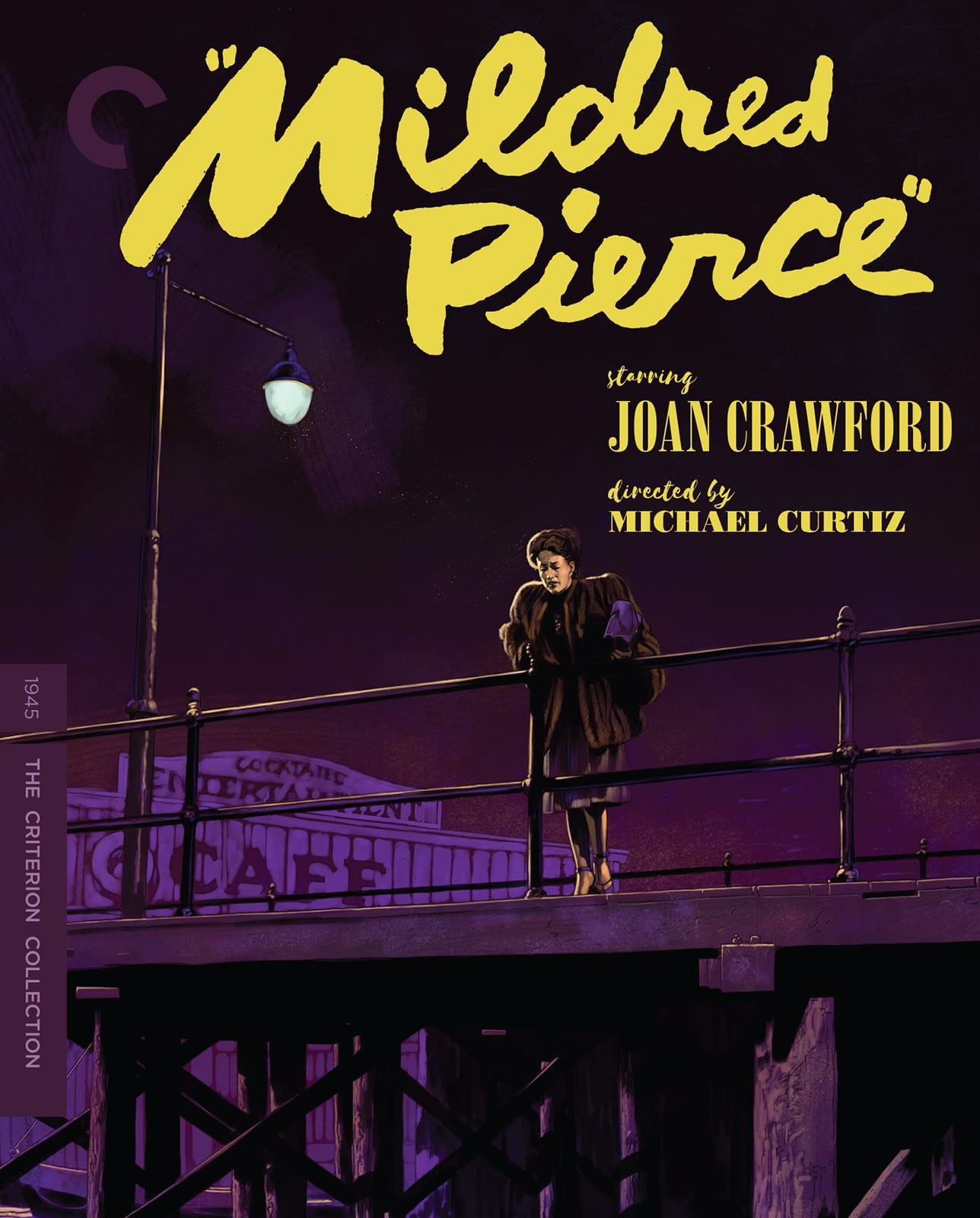
https://www.criterion.com/films/30461-imitation-of-lifehttps://www.criterion.com/films/29025-mildred-pierce
TO BE Shakespeare IN Screwball Comedy (Hamlet and The Merchant of Venice)
Required Viewing:
To Be or Not to Be (dir. Ernst Lubitsch, 1941)

In The World Viewed and in the chapter on The Lady Eve in Pursuits, Cavell discusses the same actors playing identical twins. Many comedies of remarriage and many Shakespeare's comedies have identical twins or the same character impersonating another, but Cavell does not mention them (Palm Beach Story, A Comedy of Errors, The Merchant of Venice (Portia),Twelfth Night, Cymbeline.)
Stanley Cavell, Here and There: Sites of Philosophy Nancy Bauer (Editor), Alice Crary (Editor), Sandra Laugier (Editor) 2022

Stanley Cavell, This New Yet Unapproachable America: Lectures after Emerson after Wittgenstein (Carpenter Lectures) 2013
Remember? (Dir. Norman Z McLeod, 1939) is a mediocre screwball comedy but could have interested Cavell because it can easily be regarded both as a comedy of remariage and as an analogue of A Midummer Night's Dream. The memory loss potion brewed by Dr. Schmidt and then Sky Ames administered to the married couple make these characters as analogues of Oberon and Puck.

North by Northwest (dir. Alfred. Hitchcock, 1959)
http://www.encore.at/mam/cavell/index.htm

Stanley Cavell, "North by Northwest," Critical Inquiry, Vol. 7, No. 4. (Summer, 1981), pp. 761-776.
Holiday (dir. George Cukor, 1938) Compare to The Taming of the Shrew.

You Can't Take It With You (dir. Frank Capra 1938)
November 10
Required Reading:
The Letter (dir. William Wyler, 1940)


Foucault on Descartes ; Jacques Derrida ob Foucault, Writing and Difference, Foucault appendix to the second edition of Folie et Déraison: Histoire de la folie à l’âge classique (History of Madness) entitled “Reply to Derrida.”
—In 1961, Foucault publishes Folie et Déraison: Histoire de la folie à l’âge classique.
—In 1963, Derrida delivers a lecture entitled “Cogito et histoire de la folie.” It addresses a three-page passage in Folie et Déraison, in which Foucault discusses the cogito, and its relation to Foucault’s overall project in the book as described in the Preface.
—In 1964, Foucault publishes an abridged version of Folie et Déraison. The subtitle of the original book becomes the title of the abridgment: Histoire de la folie à l’âge classique. In 1965, the abridged version is translated and published in English as Madness and Civilization. For 40 years, this was the only version available in English; it omits the discussion of the cogito. WritingDifferenceJacquesDerrida.pdf
—After having gone through a couple of revisions for publications in various journals, a final version of Derrida’s paper appears in the 1967 Ecriture et Difference (Writing and Difference).
—At some point in the early 1970s, Foucault writes “Reply to Derrida.” It appears in print in 1972 in the Japanese journal Paideia.
—In 1972, Foucault publishes a second edition of the full-length book. The title is Histoire de la folie à l’âge classique (the same as the 1964 abridgment). He deletes the first preface and writes a new one. “Reply to Derrida” appears as an appendix. One of the other appendices, “My body, this paper, this fire,” also revisits in more detail the role that madness plays in the cogito.
—In 2006, the entirety of Histoire de la folie is finally translated into English as History of Madness. It includes all the material that has appeared in either of the two French editions.

How could it be denied that these hands or this whole body are mine? Unless I were to liken myself to madmen, whose brains are so damaged by the persistent vapours of melancholia that they firmly maintain they are kings when they are paupers, or say they are dressed in purple when they are naked, or that their heads are made of earthenware, or that they are pumpkins, or made of glass.
J. L. Austin et al, "Other Minds," in Philosophical Papers (3rd edn) 1979, pp. 76–116.
J. L. Austin et al, "Pretending," in Philosophical Papers (3rd edn), 1979 pp. 253–271. https://doi.org/10.1093/019283021X.003.0011
Northrop Frye, Anatomy_of_Criticism_Four_Essays_(1957)
Northrop Frye,Northrop Frye on Shakespeare (1988)
Northrop Frye, A Natural Perspective: The Development of Shakespearean Comedy and Romance (1967)
The first of the epigraphs I have placed as guardians or guides at the entrance to this book—“I know that the world I converse with in the cities and in the farms, is not the world I think”—opens the concluding paragraph of Emerson’s “Experience.” It captures one of Kant’s summary images of his colossal Critiques, epitomized in the Groundwork of the Metaphysics of Morals, namely that of the human being as regarding his existence from two standpoints, from one of which he counts himself as belonging to the world of sense (the province of the knowledge of objects..
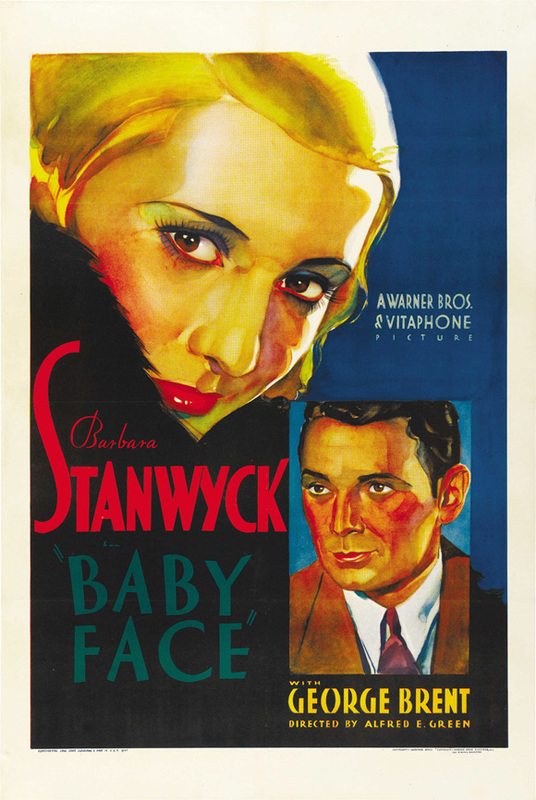
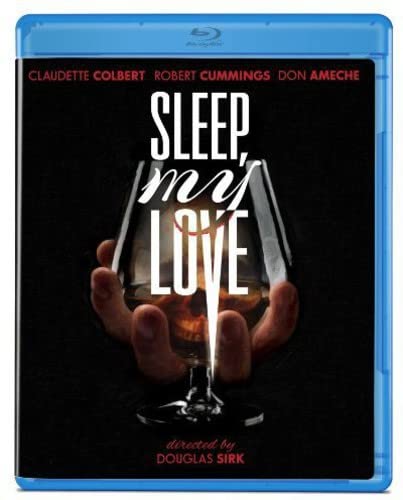
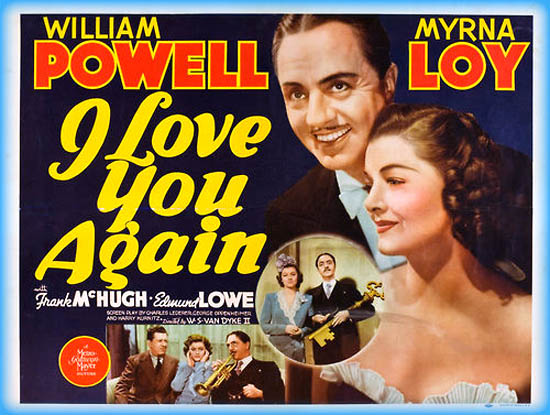
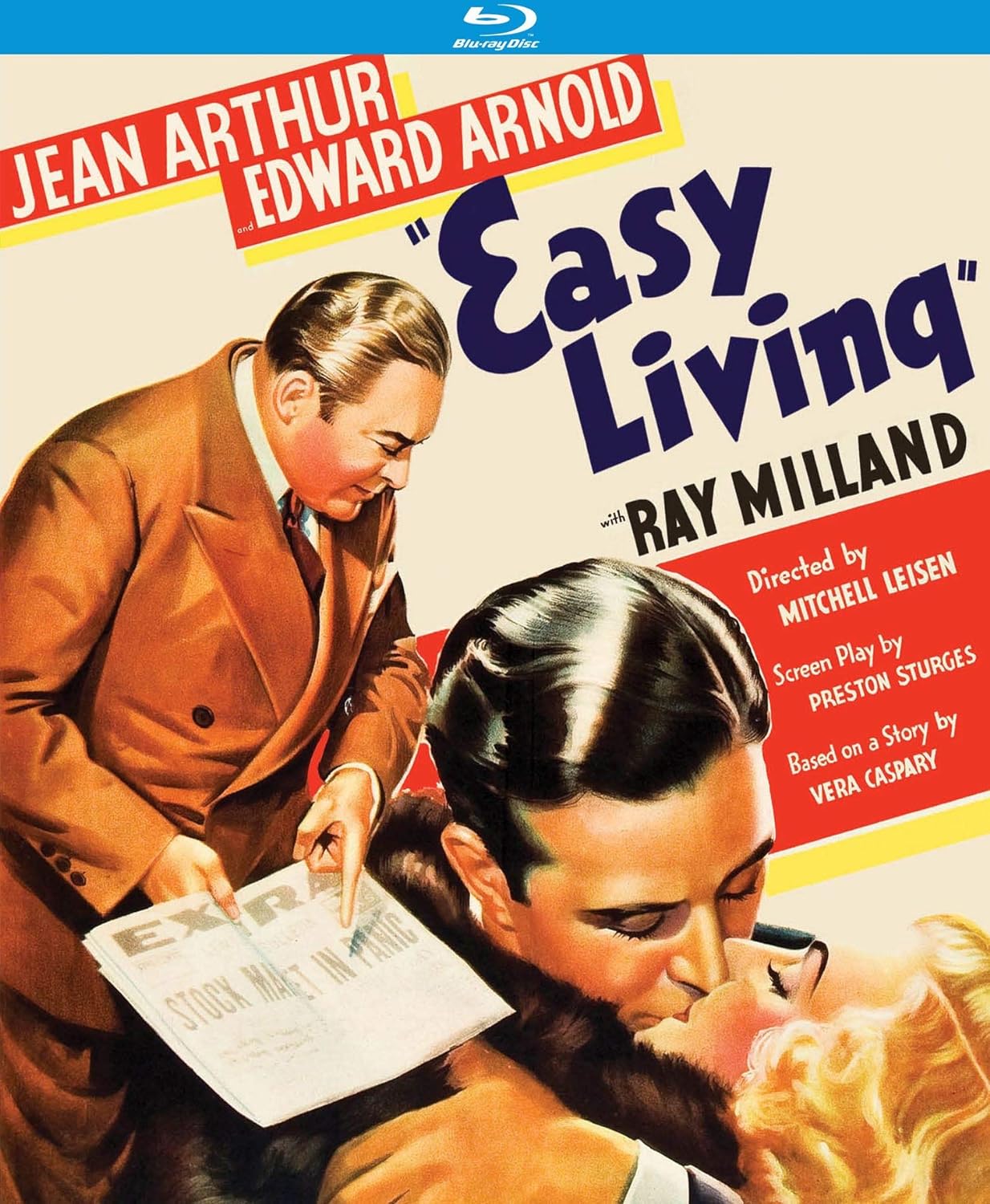
RECOMMENDED SCREWBALL COMEDIES
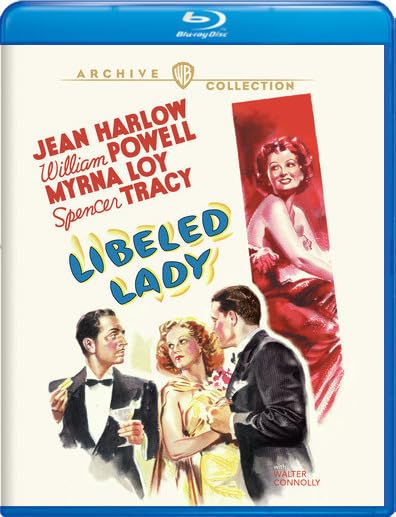

The Talk of the Town (dir. George Stevens, 1942)
Woman of the Year (dir. George Stevens, 1942)
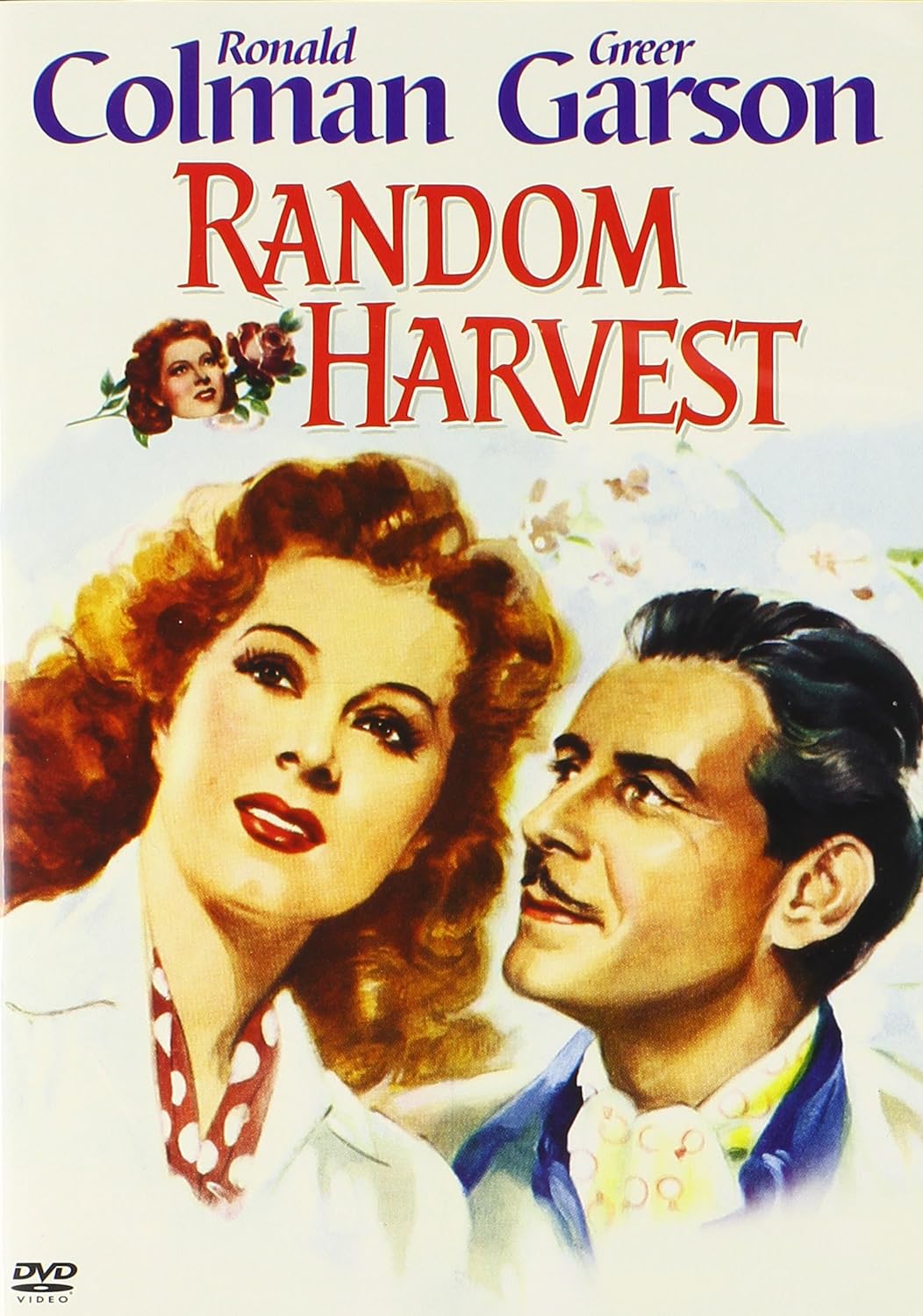
Random Harvest (1942) is NOT a comedy of remarriage, according to Cavell.
Trailers for It Happened One Night (dir. Frank Capra, 1934), The Lady Eve, (dir. Preston Sturges, 1941) and The Philadelphia Story (dir. George Cuckor, 1940)
https://www.jstor.org/stable/10.3138/9781442689886.7
I Love You Again (1940)
The Devil and Miss Jones (1941)
The Miracle of Morgan’s Creek (1944)
The Man Who Came to Dinner (1942)
My Man Godfrey (1936)
Twentieth Century (1934)
THE ONE THING NEEDFUL
Vertigo (Marriage = Death) dir. Alfred Hitchcock, 1957
Here is a perfect example of a critic noticing something that recurs in the text and asking "Why is it there?" Asking that question follows from a work of literature closely.
"For example, in Hardy’s The Return of the Native —I’ve just been teaching that novel-why is there so much spying on other people? It is a bit strange. It is not evidently necessary to the story, but it happens over and over again. A grotesque embodiment of this is the way Eustacia Vye in that novel wanders around the heath with her father’s spyglass. It seems unlikely, implausible, and yet she is always looking through the spyglass. So, you say, OK here’s a feature that recurs. It doesn’t seem to fit the story or be necessary to the story. Why is it there? It’s that why that interests me as much as the general role that literature has played in my life and in so many people’s lives—the unreflective plunge into the work as an alternative world."
J. Jillis Miller, Why Literature? A Profession
Miller's description is methodical, perhaps somewhat mechanical. In Marcel Proust's The Prisoner, a character dies when he goes to a Museum to see Vermeer's "A View of Delft" just after noticing something "for the first time." Rereading is a process of discovery, not a detective investigation.
"Derrida discussed a small section of the Recherche on the death of Bergotte. Derrida noticed that Proust uses a whole series of words that are forms of prendre-comprendre, apprendre, etc. Derrida made that small detail really work to support his reading. Proust, he showed, plays on the strength of those French words, with their latent image of grasping, as in German Begriff, the word for “notion.” Derrida implied that you can’t really see this in the standard English translation of Proust. The translation is correct enough, but it necessarily misses the implicit play in the echoing French words. "
J. Hillis Miller, "Why Literature? A Profession"
"These books are written chiefly to the young, the ignorant, and the idle, to whom they serve as lectures of conduct, and introductions into life. They are the entertainment of minds unfurnished with ideas, and therefore easily susceptible of impressions; not fixed by principles, and therefore easily following the current of fancy; not informed by experience, and consequently open to every false suggestion and partial account.
That the highest degree of reverence should be paid to youth, and that nothing indecent should be suffered to approach their eyes or ears; are precepts extorted by sense and virtue from an ancient writer, by no means eminent for chastity of thought. The same kind, tho' not the same degree of caution, is required in every thing which is laid before them, to secure them from unjust prejudices, perverse opinions, and incongruous combinations of images."
Samuel Johnson, The Rambler
No. 4. Saturday, 31 March 1750.https://web.english.upenn.edu/~mgamer/Etexts/johnson.rambler.html
"While right and left are hardly equivalent in their stated motivations, they share the assumption that it’s important to protect vulnerable readers from reading the wrong things.
erates at the higher reaches of the educational system too. As corporate management models and zealous state legislatures refashion the academy into a gated outpost of the gig economy, the humanities have lost their luster for undergraduates. According to reports in The New Yorker and elsewhere, fewer and fewer students are majoring in English, and many of those who do (along with their teachers) have turned away from canonical works of literature toward contemporary writing and pop culture. Is anyone reading “Paradise Lost” anymore? Are you?
Novels, at best a source of harmless amusement and mild moral instruction, were at worst — from the pens of the wrong writers, or in the hands of the wrong readers — both invitations to vice and a vice unto themselves. The novelists of the period didn’t hesitate to capitalize on this anxiety. In Jane Austen’s “Northanger Abbey,” Catherine Morland’s enthusiasm for Gothic fiction leads to social embarrassment and philosophical confusion, as she disastrously (if comically) conflates her reading with reality. For Emma Bovary, the confusion between the fantasies offered by popular romances and the banality of provincial life takes on a tragic dimension. Her reading propels her down a path to ruin.
The danger wasn’t restricted to women. Goethe’s “The Sorrows of Young Werther” was blamed for an epidemic of romantic suicides among impressionable male readers. Victorian America, perpetually worried that its footloose young men were on the road to perdition, classified novel-reading along with drinking and gambling among the causes of dissipation and debility."
--"Everyone Likes Reading. Why Are We So Afraid of It? Book bans, chatbots, pedagogical warfare: What it means to read has become a minefield."
Peter Brooks, Seduced by Story: The Use and Abuse of Narrative (2023)
The Tempest (dir. Julie Taymor, 2010)
Krystal LoPilato, "Garcetti v. Ceballos: Public Employees Lose First Amendment Protection for Speech Within Their Job Duties," Berkeley Journal of Employment and Labor Law, Vol. 27, No. 2 (2006), pp. 537-44
The Greeks produced two kinds of comedy, Old Comedy, represented by the eleven extant plays of Aristophanes, and New Comedy, of which the best-known exponent is Menander. About two dozen New Comedies survive in the work of Plautus and Terence. Old Comedy, however, was out of date before Aristophanes himself was dead;³ and today, when we speak of comedy, we normally think of something that derives from the Menandrine tradition.
New Comedy unfolds from what may be described as a comic Oedipus situation. Its main theme is the successful effort of a young man to outwit an opponent and possess...
A new translation ofDon Quixote, the result of sixteen years of work, has now made its appearance, and it is, we are told, the first really good English rendering of the world’s greatest novel. There have been fourteen English versions altogether,¹ but two made in the eighteenth century, one by Peter Motteux, a naturalized Frenchman who also completed the Urquhart Rabelais,² and one by Charles Jarvis, a friend of Pope,³ have held the field. The former is the better known in America, and the latter in England. Mr. Putnam’s introduction is severe on Motteux, whom he accuses of having...
YOUR SECOND ASSIGNMENT:
Due Thursday, by 5:00 p.m: Watch a second time on disc or streaming. Write two Film Discussion Questions (DQs, 50-200 words) and three shots with three film analysis terms. Post Your DQs etc BOTH on canvas AND on this google document here. Don't forget to put your name in the upper right corner.
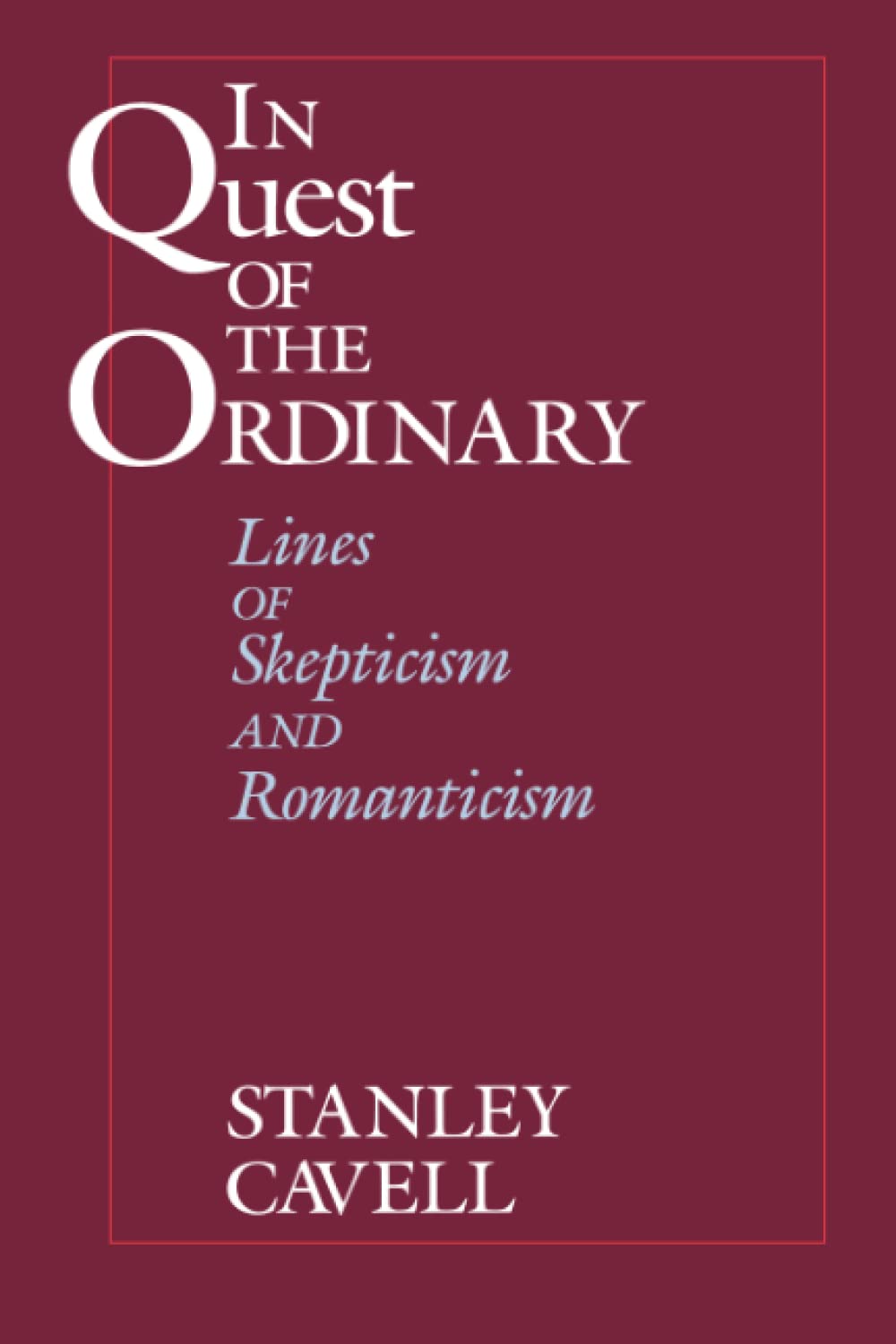
During the ’30s and ’40s, Hollywood produced a genre of madcap comedies that emphasized reuniting the central couple after divorce or separation. Their female protagonists were strong, independent, and sophisticated. Here, Stanley Cavell names this new genre of American film—“the comedy of remarriage”—and examines seven classic movies for their cinematic techniques and for such varied themes as feminism, liberty, and interdependence.
Included are Adam’s Rib, The Awful Truth, Bringing Up Baby, His Girl Friday, It Happened One Night, The Lady Eve, and The Philadelphia Story.
INDEX
Smiles of a Summer Night, 58, 166, 178
Shakespeare, William, 141, 158, 160; and romantic comedy 1, 20, 34, 51, 70, 118, 169-71; The Winter's Tale, 19, 66--67, 69, 103, 104; later romances of, 49-50; poetry of, 52; and father daughter relationships, 53, 84; Midsummer Night's Dream,142-45, 153-54, 156, 261; King Lear, 159; Henry IV, 179; Othello, 221, 238
North by Northwest, 33-34, 100
Vertigo, 220
John Milton, The Doctrine & Discipline of Divorce
Pursuits of Happiness The Hollywood Comedy of Remarriage

Measure for Measure
The Taming of the Shrew
The Taming of the Shrew (1967 film)
Much Ado About Nothing (1973 TV)
https://www.imdb.com/title/tt0071870/
Much Ado About Nothing (1993 film)
Much Ado About Nothing (2012 film)
Much Ado About Nothing (1984 film)
https://www.rogerebert.com/reviews/much-ado-about-nothing-2013
https://en.wikipedia.org/wiki/Much_Ado_About_Nothing_(1973_film)
BBC Love's Labor's Lost
Measure For Measure (1979) BBC
Measure For Measure (1994) BBC
BFI list of Screwball Comedies
Recommended:
FIRST PAPER, a Film Clip Analysis Assignment, DUE Saturday,by 11:59 p.m
YOUR THIRD ASSIGNMENT:
Due JANUARY 17 by 5:00 p.m: Watch Performance (dir. Nick Roeg, 1970) on disc or streaming. In one word doc, write two Film Discussion Questions (DQs) and three shots with three film analysis terms. Post Your DQs etc BOTH on canvas AND on this google document here. Don't forget to put your name in the upper right corner. Post Your DQs etc BOTH on canvas AND on this google document here.
NOTE: Student co-leaders will call on students who don't participate.
From now on, the screenings in 2334 TUR Mondays periods 9-11 will be your second viewing. I will no longer post assignment due dates for Discussion Questions (DQs) and Three shots. The work is due every Sunday and Tuesday by 5:00 p.m. unless otherwise noted. Attendance at the film screenings on Mondays Periods 9-11 in 2334 TUR is required. If you do not attend the screenings, I count you absent on Wednesdays. See the Attendance policies for this course.
Post Your DQs etc BOTH on canvas AND on this google document here.
REQUIRED SECOND VIEWING:
FIRST PAPER, a Film Clip Analysis Assignment, DUE Saturday, January 21 by 11:59 p.mSend your film clip analysis assignment to me at [email protected]
I will count you absent on Wednesdays if you do not attend the screenings or if you do not turn in the required work on time. See the Attendance policies for this course. I will no longer post assignment due dates for Discussion Questions (DQs)and Three shots. The work is due every Sunday and Tuesday by 5:00 p.m. unless otherwise noted.
Second Vieing Format: Pick two similar shots in the film from two different acts we did not discuss in class and compare them to two shots in the film we did or did not discuss. In your word doc, give the timestamps of the four shots and give a description (around 40 words) of the formal relation you observe between each two you pair.
If there are two shots in the film which you think match but that we didn't discuss in class, you may pick them. Just be sure to identify them with brief descriptions and timestamps.
Example of the word document format for discussion questions due Wednesdays by 5:00 p.m.
Your name in the upper right corner.
Your four film shots:
A.
1. Very brief description of the similar shot we didn't discuss (so we can identify it), number 1, the Timestamp (did discuss in class)
2. Very brief description of the shot (so we can identify it), number 2, the Timestamp (did not discuss in class) you are matching to the shot in 1.
3. Very brief description of the similar shot we didn't discuss (so we can identify it), number 3, the Timestamp (did discuss in class)
4. Very brief description of the shot (so we can identify it), number 4, the Timestamp (did not discuss in class) you are matching to the shot in 3.
If there are two shots in the film which you think match but that we didn't discuss in class, you may pick them. Just be sure to identify them with brief descriptions and timestamps.
B.
Your discussion (40-60 words) of why you chose the old shots and the two new shots, with the number of the Timestamps for each one (four total).
Post Your DQs etc BOTH on canvas AND on this google document here.
REQUIRED FIRST VIEWING (Screening for second viewing 2334 TUR Monday, periods 9-11) Attendance at the film screenings is required. If you do not attend, I count you absent on Wednesdays.
THIRD PAPER DUE APRIL 26 by 11:59
Third Paper due April by midnight. You will formulate your own paper topics and send them to me by April 15 for approval. I will respond within twenty-four hours or less. Email me at [email protected]
Note Bene: I don't do trigger warnings. This course is an elective. It is your responsibility to read through this schedule page and determine whether or not any of the material is objectionable. If it is, then please drop the course. If you do take the course, you are required to do all assigned readings and films. I read, teach, and write about literature, philosophy, and film out of joy. I live to learn, and I try to learn how to live. I'm not sure I ever will. I keep learning words. I keep learning French. I will teach you how to use words to communicate better, not tell you which words are forbidden. Some words are, of course, taboo. You learned most of them by the time you were two. None of us would even consider using them in class. It's called socialization.
I considered myself an adult when I went to college at age 18 way back in 1972. Professors and graduate student T.A.s felt the same way: their students were adults. I had to register for the draft at age 17 and could have been drafted at age 18 and then sent to Viet Nam if I hadn't gone to college. I would have been insulted if any professor or T.A. told me I might feel a negative way about a film or a book before I'd had a chance to see it or read it myself. I was sometimes upset by a film I saw or a book I read. I still am. I felt and still feel that being disturbed by literature or film was part of learning and learning how to live. And I didn't think then--and I still don't now--that talking about it necessarily makes it any less emotionally disturbing. Let me repeat: This course is an elective. You are not required to take it. It is your responsibility to look through the schedule now (January 9, 2023, the first day of class) to determine if there are any materials you find objectionable. If you do, drop the class now. Thank you.
NOTHING BELOW IS REQUIRED FOR THIS COURSE. YOU MAY IGNORE IT ALL.
e film streaming. This week and next week, you DQS are due on Tuesday and Thursday by 5:00 p.m. After that, DQs will be due Sundays and Tuesdays. The screening will be the second viewing.
Email all papers for the course to me at [email protected]
Post Your DQs etc BOTH on canvas AND on this google document here.
Two Discussion Questions (DQs) and Three shots with three film analysis terms are due every Sunday and Tuesday by 5:00 p.m. except for the first two weeks when they will be due on Tuesdays and Thursdays. Post Your DQs etc BOTH on canvas AND on this google document here.I recommend you have the text open or the film on a computer screen as you write your discussion questions.
Note Bene: I don't do trigger warnings. This course is an elective. It is your responsibility to read through this schedule page and determine whether or not any of the material is objectionable. If it is, then please drop the course. If you do take the course, you are required to do all assigned readings and films. I read, teach, and write about literature, philosophy, and film out of joy. I live to learn, and I try to learn how to live. I'm not sure I ever will. I keep learning words. I keep learning French. I will teach you how to use words to communicate better, not tell you which words are forbidden. Some words are, of course, taboo. You learned most of them by the time you were two. None of us would even consider using them in class. It's called socialization.
I considered myself an adult when I went to college at age 18 way back in 1972. Professors and graduate student T.A.s felt the same way: their students were adults. I had to register for the draft at age 17 and could have been drafted at age 18 and then sent to Viet Nam if I hadn't gone to college. I would have been insulted if any professor or T.A. told me I might feel a negative way about a film or a book before I'd had a chance to see it or read it myself. I was sometimes upset by a film I saw or a book I read. I still am. I felt and still feel that being disturbed by literature or film was part of learning and learning how to live. And I didn't think then--and I still don't now--that talking about it necessarily makes it any less emotionally disturbing. Let me repeat: This course is an elective. You are not required to take it. It is your responsibility to look through the schedule now (January 9, 2023, the first day of class) to determine if there are any materials you find objectionable. If you do, drop the class now. Thank you.
This course is an elective. It is your responsibility to read through this schedule page and determine whether or not any of the material is objectionable to you. If it is, then please drop the course. If you do take the course, you are required to do all assigned readings and films. I read, teach, and write about literature, philosophy, and film out of joy. I live to learn, and I try to learn how to live. I'm not sure I ever will. I keep learning words. I keep learning French. I will teach you how to use words to communicate better, not tell you which words are forbidden. Some words are, of course, taboo. You learned most of them by the time you were two. None of us will even consider using them in class. It's called socialization.
I considered myself an adult when I went to college at age 18 way back in 1972. Professors and graduate student T.A.s felt the same way: their students were adults. I had to register for the draft at age 17 and could have been drafted at age 18 if I hadn't gone to college. I would have been insulted if any professor or T.A. told me I might feel a negative way about a film or a book before I'd had a chance to see it or read it myself. I was sometimes upset by a film I saw or a book I read. I still am. I felt and still feel that being disturbed by literature or film was part of learning and learning how to live. And I didn't think--and still don't--that talking about it necessarily makes it any less emotionally disturbing. Let me repeat: This course is an elective. You are not required to take it. It is your responsibility to look through the schedule now (January 9, 2023, the first day of class) to determine if there are any materials you find objectionable. If you do find even one objectionable, please drop the class now. If you do take the course, you are required to do all assigned readings and films.Thank you.
All recommended readings are optional.
 |
Breathless (1960) is a masterpiece of French New Wave cinema and the directorial debut of legendary filmmaker Jean-Luc Godard.Aesthetically, the film is a double delight. Firstly, from a formal perspective, the film is extremely stylish, bringing a fairly typical Hollywood B-movie plot to life through innovative staging and cinematography (scenes were shot using a handheld camera on the ...
therake.com |
|
The Bahr Gallery offers psychedelic rock poster art from the late 1960s and 1970s, including iconic posters for bands like the Grateful Dead, Hendrix, The Doors, Janis Joplin and more from our gallery in Oyster Bay, NY.
|
?
|
God Himself!!! I do not own this video or song. Twas uploaded by a firend when my account was first made, Tiny Tim's cool though so i ahve no intention of removing it...yet?
|
?
|
(from "The Gold Diggers Of Broadway") 9-20-1929 - Diva Records 3012-G Catherine Annette Hanshaw (October 18, 1901 -- March 13, 1985) was one of the first popular female jazz singers. In the late 1920s -1930s "Tiptoe Through the Tulips" is a popular song originally published in 1929. The song was written by Al Dubin (lyrics) and Joe Burke (music ...
|
?
|
This is the original. Nick Lucas performing in Gold Diggers Of Broadway.
|
 |
Nguy?n V?n Lém (Vietnamese: [????n? v?n l??m]; 1931/1932 – 1 February 1968), often referred to as B?y L?p, was an officer of the Viet Cong in the rank of captain. He was summarily executed in Saigon during the Tet Offensive in the Vietnam War, when the Viet Cong and North Vietnamese forces launched a massive surprise attack. Before being captured, Lém had allegedly murdered ...
en.wikipedia.org |
France (2021)
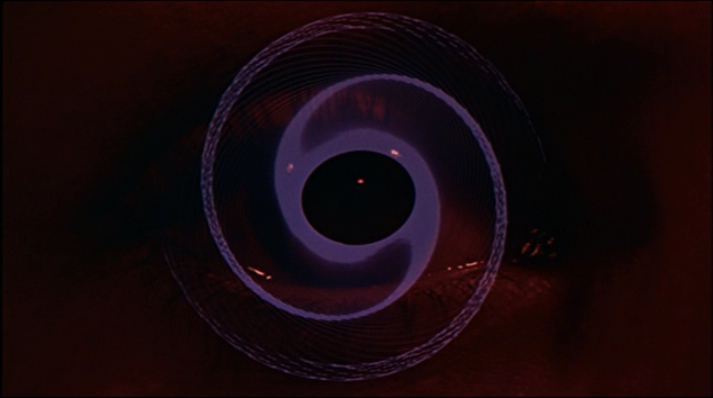
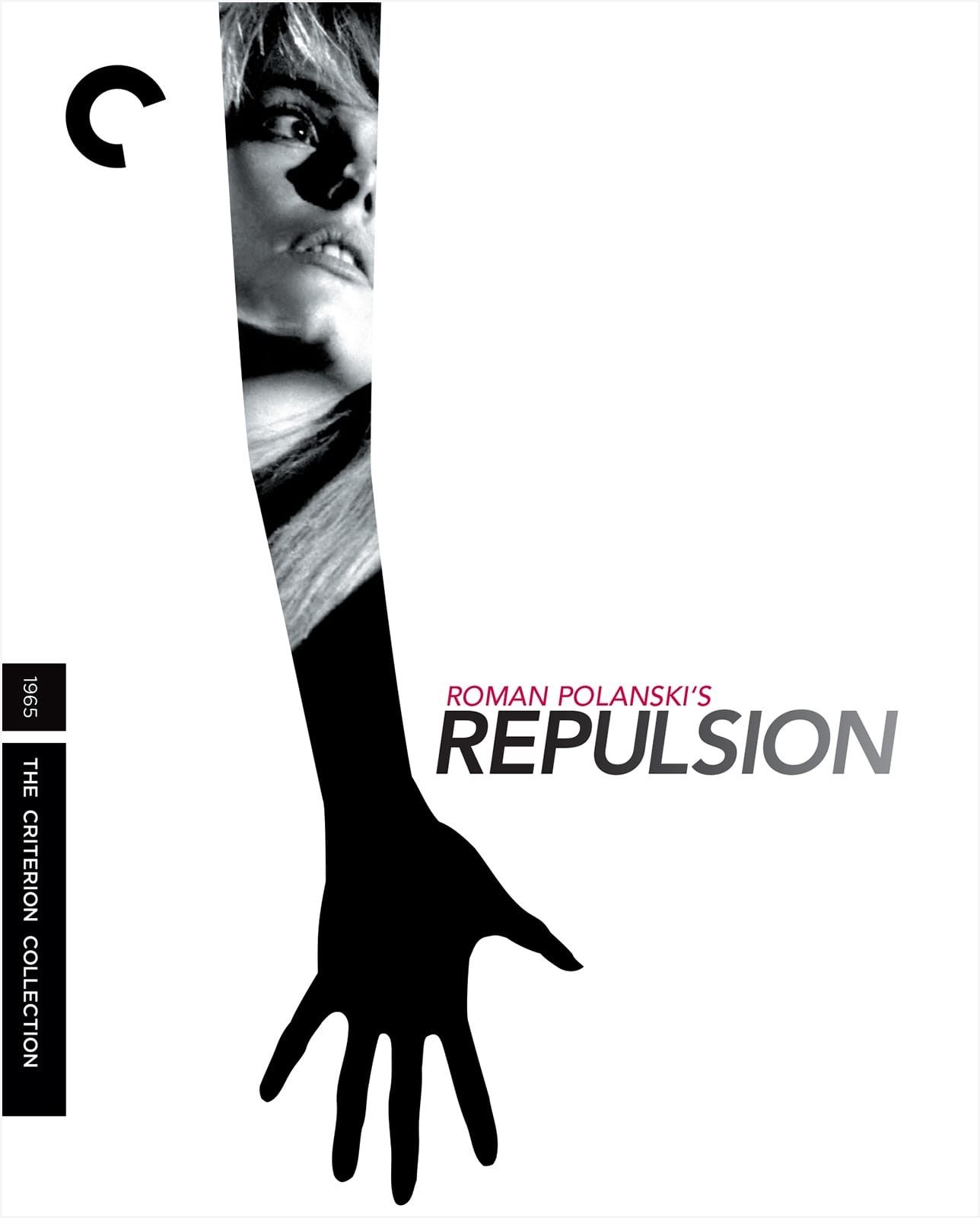
Repulsion (dir. Roman Polanski, 1960)
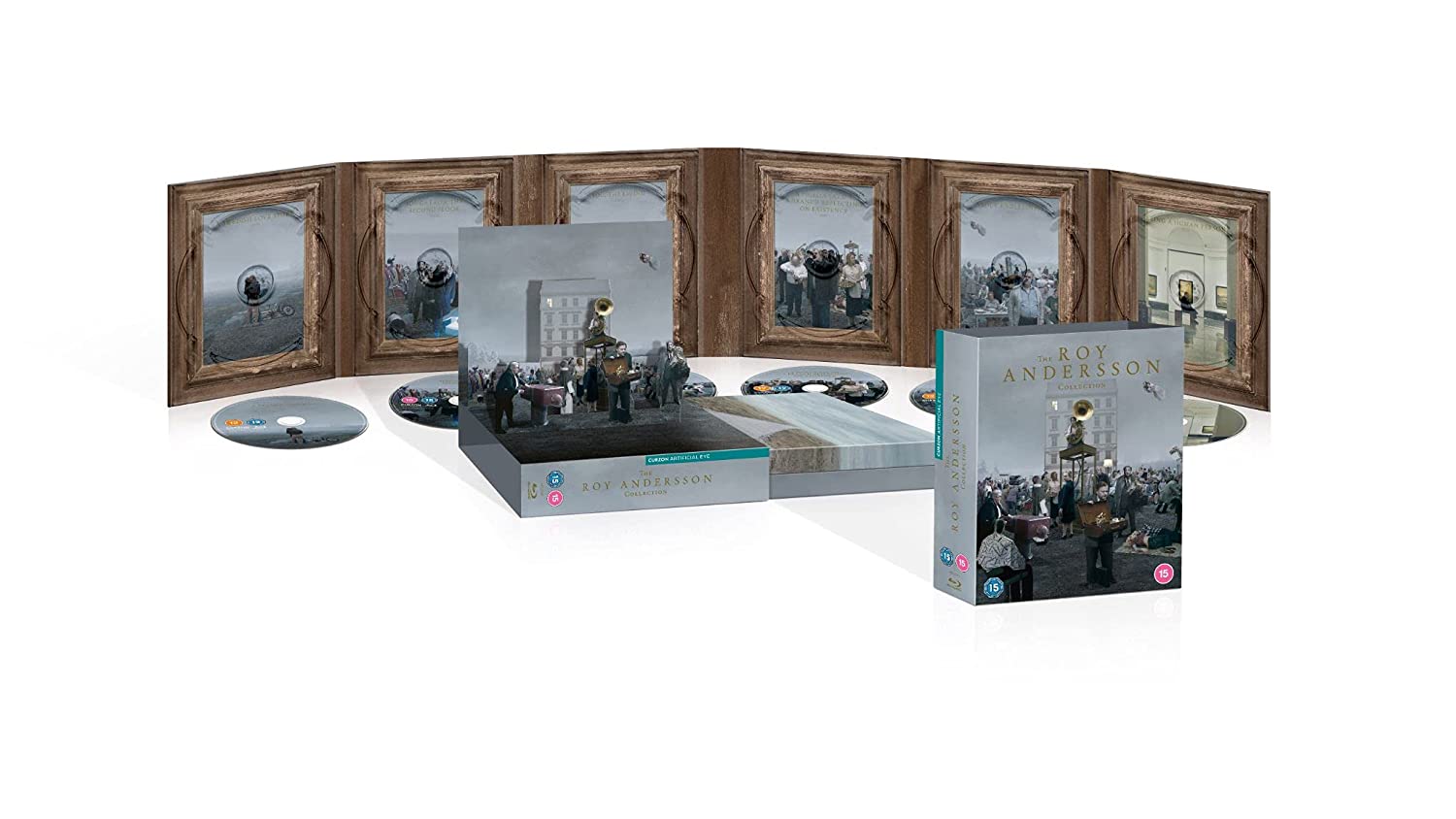
EXPLORING THE WORLD OF ROY ANDERSSON
Roy Andersson montage with music.

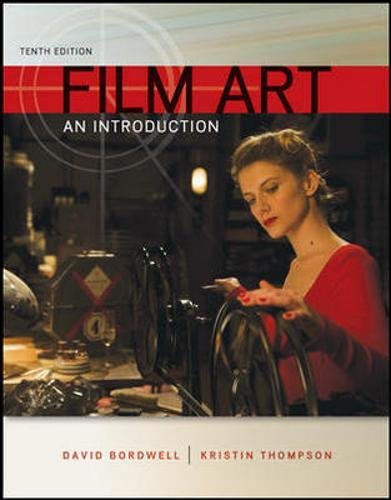
Rudolf Arnheim, Film as Art. Bordwell and Thompson, Film Art; Slow Cinema; V. F. Perkins, Film as Film; The Art House (1980s and 90s); Criterion Collection; Janus Films; Cellouloid vs. Digital; Film Restoration; World Cinema; nouvelle vague; avant-garde versus narrative film; cahiers du cinema; Truffaut; auteur theory; Andrew Sarris; Pauline Kael
Kate Briggs, THIS LITTLE ART
365 pp. Fitzcarraldo Editions.
Gosford ParkThe Lodger
Godard Contempt
Medium Cool (1969) opening title sequence
Criterion Three Reasons: Medium Cool
Riotsville, USA (2022)
Recommended:
Nightcrawler (dir. Dan Gilroy, 2014)
The last shot of Medium Cool is taken from the end of first shot of Jean-Luc Godard’s Contempt:
https://www.youtube.com/watch?v=Ivvn6eRcMdo
Godard took for his idea for doing the titles in voice-over in the opening shot of Contempt from the end titles of Orson Welles Magnificent Andersons
https://www.youtube.com/watch?v=Kwkan2hM74Q
This 1965 film comedy portrayed a female president for the first time in screen history.
Kisses-My-President
Yorgos Lanthimos's English-language debut The Lobster (2015),
France is a 2021 comedy-drama film written and directed by Bruno Dumont
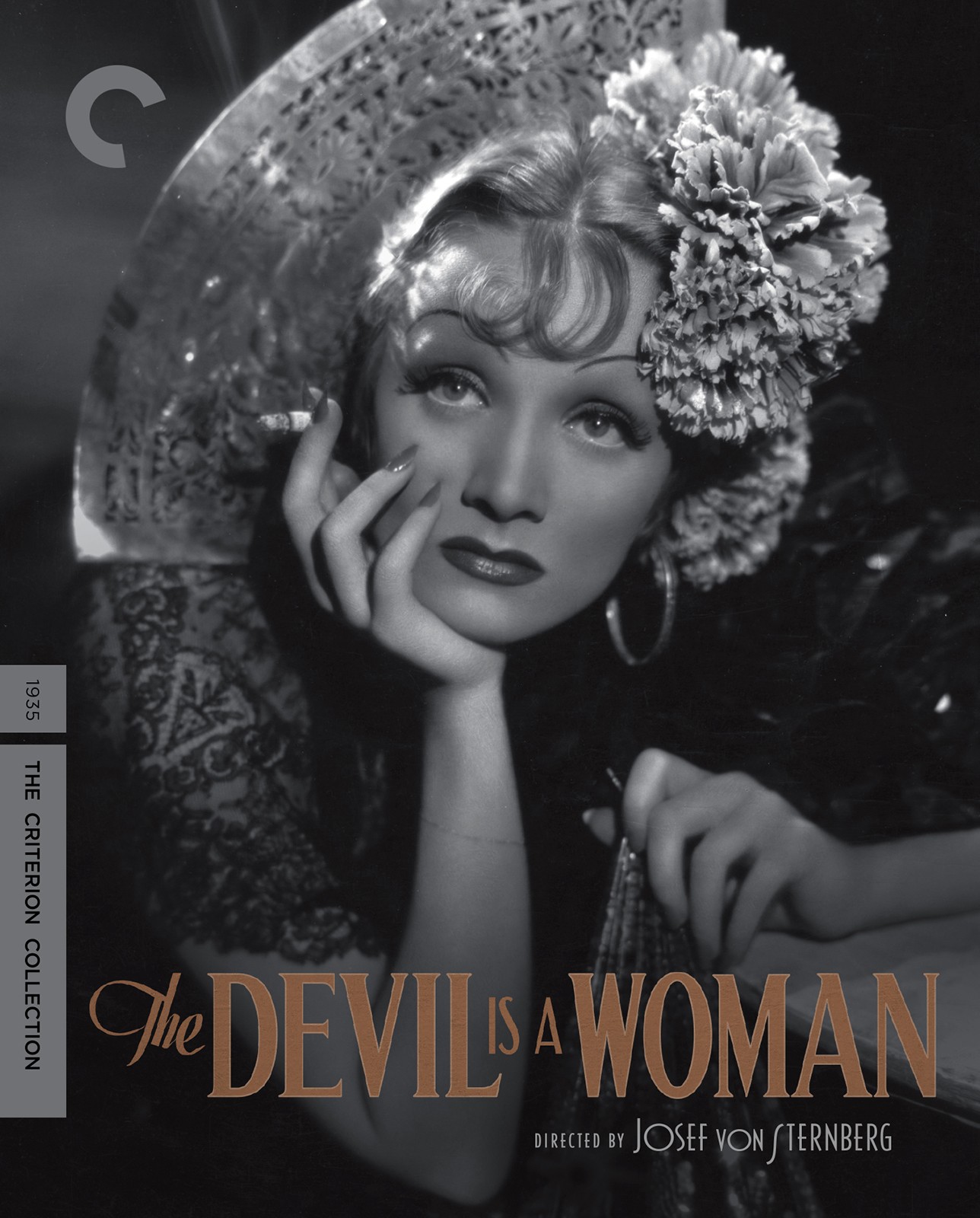
REQUIRED SECOND VIEWINGThe Devil Is a Woman (dir. Josef von Sternberg, 1935)


Truffaut and Hitchcock
Notes on Blindness (dir.Peter Middleton, James Spinney, 2016)My Night at Maud's
Amour (dir. Micahel Handke, 200)Charlotte RAMPLING OLD PERSON MAN 2019 Where Is the Friend's House?The Lobster
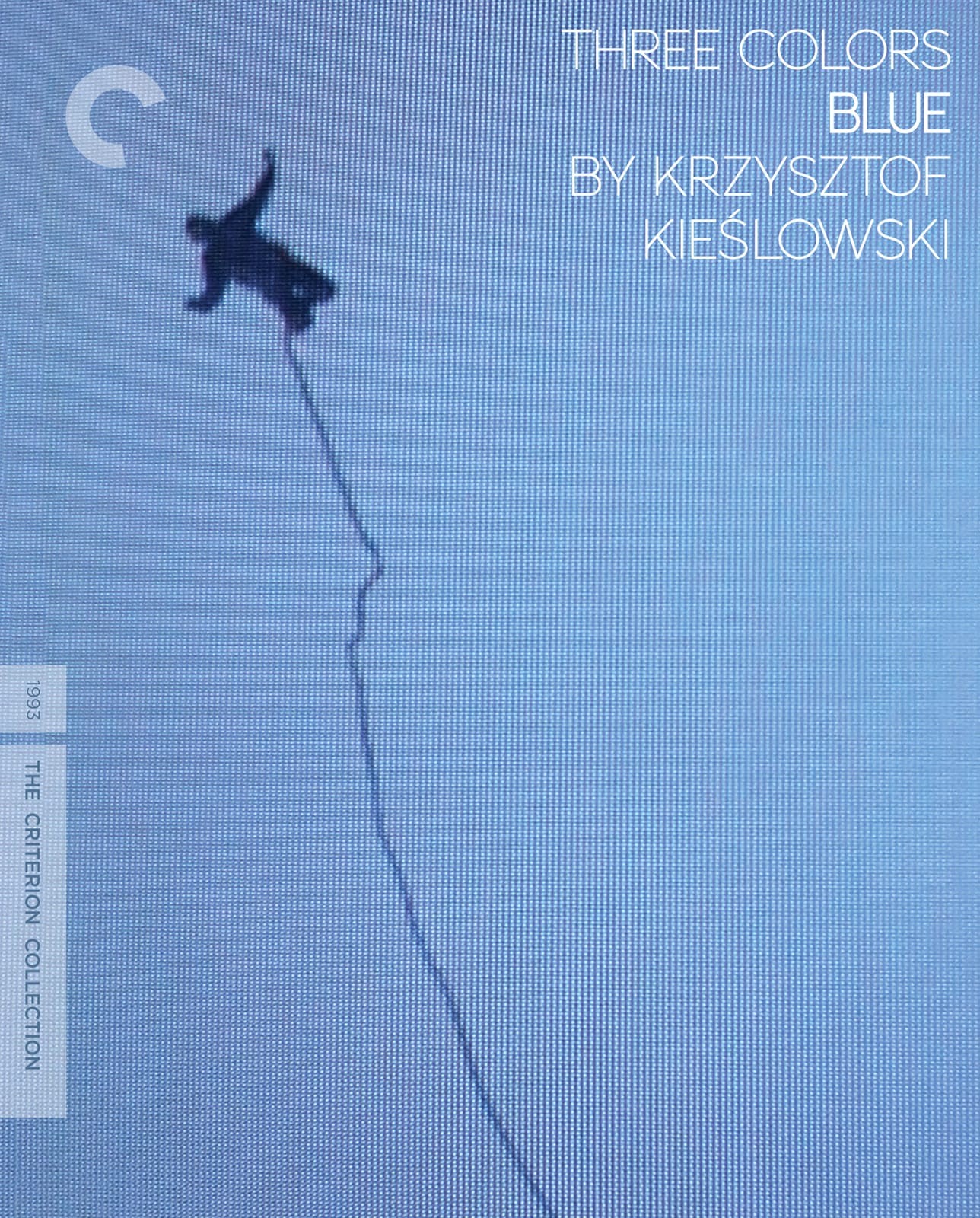
Three Colors: Blue (dir. KRZYSZTOF KIE?LOWSKI)

REQUIRED FIRST VIEWING:
La Notte (dir. Michelangelo Antonioni, 1REQUIRED VIEWING
The Seventh Seal (dir. Ingmar Bergman, 1957)
Ikiru (dir. Kurosawa, Akira, 1952)
Ivan's Childhood (dir. Andrei Tarkovsky, 1963)

La Notte soundtrack
G. Gaslini Quartet - Blues All'Alba (1961)
La Notte has been compared by one critic to Piet Mondrian's paintings in order to draw attention to the film's geometric abstraction.

REQUIRED SECOND, GUIDED VIEWING
La Notte (dir. Michelangelo Antonioni, 1961)
JANUARY 18 HOLIDAY
Due JANUARY 19 by 5:00 p.m: Write two Film Discussion Questions (DQs) on and three shots with three film analysis terms. Send your DQs and three shots in one word document as an attachment to me at [email protected]. Don't forget to put your name in the upper left corner. That is all you need to put: just your name. :) Email all work for the course to me at [email protected]
JANUARY 20
All Light, Everywhere (2021)

Blow-Up (dir. Michelangelo Antonioni, 1966)

Stalker (dir. Andei Tarkovsky, 1979)
cant-hear-what-actors-are-saying-on-tv?-it's-not-you-probably-
TV Shows Are Too Dark! Here’s How to Fix That.
To better understand why TV shows are so dark, we compared them across a range of TVs
Kenny Wassus, Nov 23, 2022
TENTATIVE SCHEDULE (Please expect adjustments to be made in the schedule from time to time; all changes will be announced both in class and on the class email listserv.)
In order to include all students in class discussion, and in order to make it easier for you to read closely and thereby improve your own writing, We will close read, read slowly the assigned text sentence by sentence or the assigned film shot by shot. Discussion co-leaders and I will call on a student at random and ask that student to read a specific sentence out loud and then to close read it. If the student is unable to read the sentence closely, the co-leaders will call on another student and ask that student to read a specific sentence out loud and then close read it. We will continue to discuss the same sentence until a student reads it closely. We will then proceed in the same fashion with the next sentence. And so on. Due to time constraints and because close reading is slow reading, we will skip parts of the assigned text, but we will always be talking and only be talking about words, syntax, punctuation, paragraphing, and narration in the text. As we move through the text, we will be able to make more general comments about parts of it. If students have comments to add on the sentence under discussion, they may raise their hands and make them once they have been called on by the co-leaders or me.
In order to learn the names of all the students in the class, I will take roll on canvas at the beginning of class. As I state on the requirements webpage, if you are late to class, I consider you absent. If you are absent more than twice, your final grade may suffer. If you are absent four times, you fail the class.
Here is what I have written on the requirements webpage:
"Attendance means not only being in class, but includes completing the assigned work for each class by the time it is due and arriving to class on time. (If you arrive late to class or if you don't do the discussion questions, you are counted as absent.)
Repetition is key to learning.
To learn how to understand a piece of music, a philosopher said, you have to hear it twice.
A conductor of baroque music said you have to listen to repeated hearings before you understand it.
"How full of meaning and significance the language of music is we see from the repetition of signs, as well as from the Da capowhich would be intolerable in the case of works composed in the language of words. In music, however, they are very appropriate and beneficial; for to comprehend it fully, we must hear it twice."
--Arthur Schopenhauer, "On the Metaphysics of Music"

Vienna and Schubert: 'Death and the Maiden' String Quartet - Professor Chris Hogwood CBE
"The greatest pieces of music are called classics simply because at a first hearing--that is terribly...very complicated to work out what's going on or even more complicated to explain to yourself why it's going on--even to hear it has to be heard several times. Probably after first hearing, immediately go back and hear it again, and on repeated hearings repeated things come to light."
--Christopher Hogwood
 |
 |
 |
https://www.youtube.com/watch?v=mTziL0Xwa-s timestamp 29:00 |

--Barbara Johnson quoting Roland Barthes on rereading versus reading.
cant-hear-what-actors-are-saying-on-tv?-it's-not-you-probably-
TV Shows Are Too Dark! Here’s How to Fix That.
To better understand why TV shows are so dark, we compared them across a range of TVs
Kenny Wassus, Nov 23, 2022
REQUIRED VIEWING
The Souvenir (dir Johanna Hogg, 2019)
That Obscure Object of Desire (dir. Luis Buñuel, 1977)

The Devil Is a Woman (dir. Josef von Sternberg, 1935)
Summer with Monika (dir. Ingmar Bergman, 1953)
